
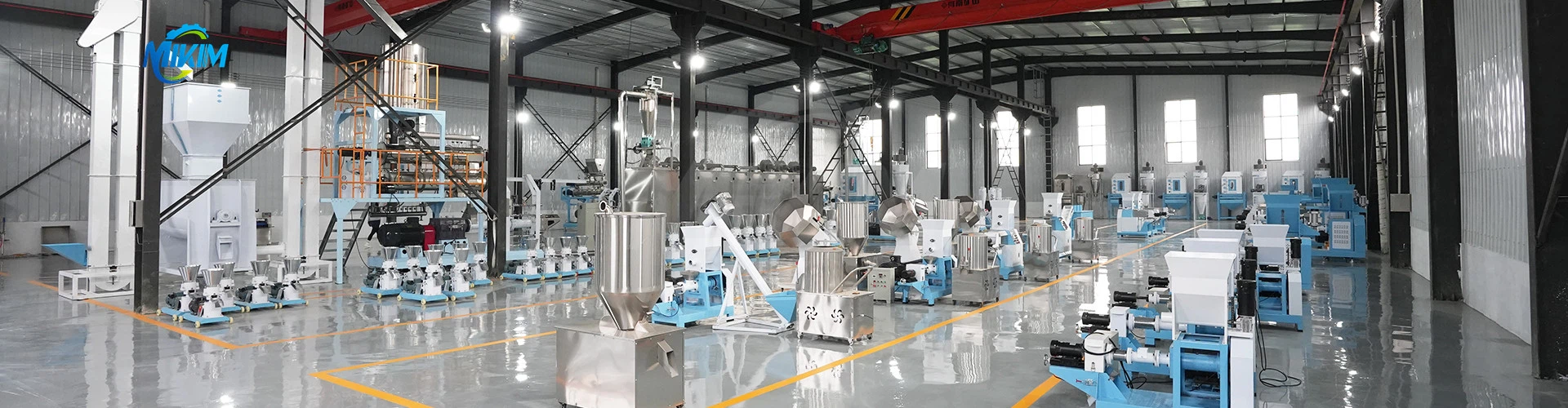
In order to improve feed utilization efficiency and ensure animal health, the application of large ruminant feed equipment in modern ranches has become increasingly common. Proper operation and maintenance of these equipment can not only extend their service life, but also ensure the quality and safety of feed. The key points of large ruminant feed equipment will be introduced in detail below.
First, let's focus on the key points of operation. Operators should receive professional training before using large ruminant feed equipment and master the working principle and operation process of the equipment. Before starting the equipment, the equipment must be fully inspected to ensure that there are no loose screws, damaged parts or blockages. At the same time, parameters such as temperature, humidity and pressure should be adjusted according to the equipment's operating manual to ensure the quality of feed processing.

| Model | Capacity(t/h) | Power(kw) | Screw Diameter(mm) | Weight |
| 75-B | 0.3-0.4 | 22 | 80 | 1000 |
| 85-B | 0.5-0.6 | 30 | 90 | 2000 |
| 90-B | 0.6-0.7 | 37 | 100 | 2100 |
| 100-B | 0.7-0.8 | 55 | 120 | 2200 |
| 135-B | 1-1.5 | 75 | 135 | 3200 |
| 145-B | 2-3 | 90 | 145 | 4000 |
During the operation process, the operating status of the equipment should be closely monitored, abnormal conditions should be discovered in time and measures should be taken. For example, if the equipment is found to vibrate too much or make abnormal noises, it should be stopped immediately for inspection to avoid causing greater damage. In addition, operators should also regularly record the use of equipment, including operating hours, maintenance records, and any abnormal events, in order to conduct data analysis and management optimization.
Next, we will discuss the importance of maintenance. Regular maintenance is the key to ensuring the long-term and stable operation of large ruminant feed equipment. This includes daily cleaning work to remove dust and residues inside and outside the equipment to prevent microbial contamination and corrosion. For wearing parts such as blades and bearings, regular inspection and replacement are required to maintain the best performance of the equipment.
Lubrication is an important part of maintenance work that cannot be ignored. Proper lubrication can reduce friction, reduce energy consumption, and extend the life of the equipment.