
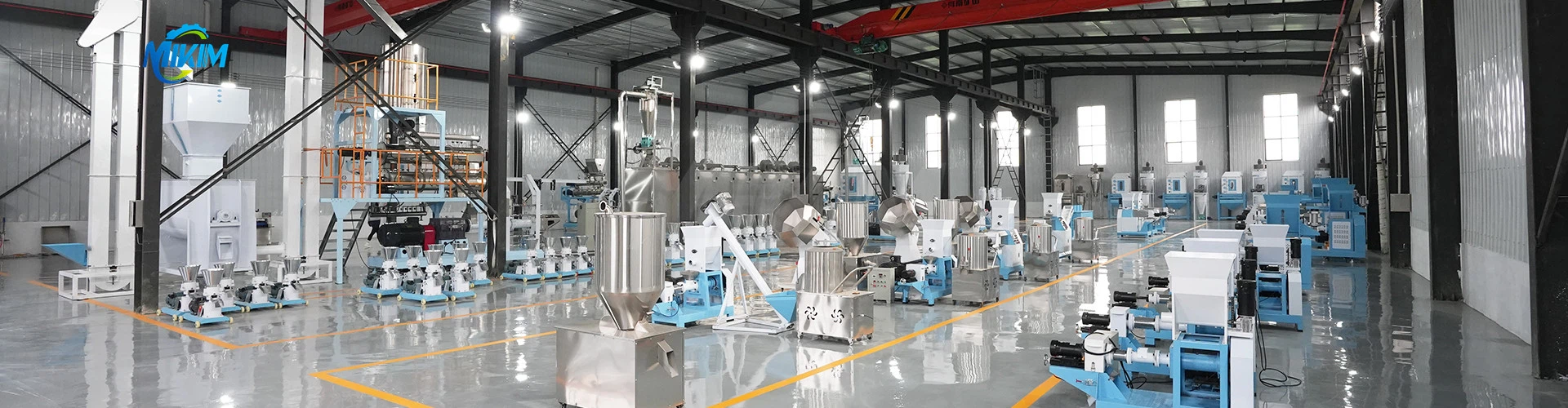
Efficient Floating Feed Extruder: Improving Sustainability in Aquaculture
Aquaculture, or fish farming, has experienced significant growth in recent years as a means to meet the rising global demand for seafood. However, the sustainability of aquaculture practices is a growing concern due to various factors such as environmental impact, feed efficiency, and resource utilization. In this context, the efficient floating feed extruder has emerged as a key technology, revolutionizing fish feed production and contributing to a more sustainable aquaculture industry.
The efficient floating feed extruder is a state-of-the-art machine that plays a crucial role in the production of high-quality fish feed. It utilizes advanced techniques such as heat, pressure, and mechanical force to transform raw ingredients into nutritionally optimized floating pellets. This technology offers numerous benefits that positively impact the sustainability of aquaculture operations.
One of the significant advantages of the efficient floating feed extruder is its ability to produce floating pellets. Floating feed is particularly beneficial for species like tilapia, catfish, and carp, which are surface feeders. These pellets remain suspended on the water surface, ensuring that the fish can easily locate and consume them. Compared to sinking feed, floating feed reduces wastage as it is not lost to the bottom of fish tanks or ponds. This efficient feeding mechanism leads to improved feed conversion ratios and reduced environmental impact.
Furthermore, the efficient floating feed extruder allows for precise control over the formulation of fish feed. This technology offers flexibility in the selection and inclusion of ingredients, enabling the utilization of sustainable feed sources. With the increasing concern over the depletion of fishmeal and fish oil resources, alternative protein sources such as plant-based proteins and microorganisms are becoming more important in aquaculture feed formulations. The floating feed extruder can effectively process these ingredients, promoting a more sustainable approach to fish farming. By optimizing feed formulation, the machine ensures that farmed fish receive a nutritionally balanced diet, leading to improved growth rates, disease resistance, and overall fish health.
The extrusion process used in the efficient floating feed extruder further enhances feed efficiency and nutrient utilization. Heat and pressure applied during the extrusion process help to break down complex structures in raw ingredients, making nutrients more accessible and digestible for fish. This increased nutrient bioavailability ensures that fish can efficiently absorb and utilize the essential nutrients in their diet. As a result, feed wastage and nutrient excretion into the environment are minimized, reducing the overall environmental impact of aquaculture operations.
Moreover, the efficient floating feed extruder promotes resource efficiency in fish farming. By utilizing alternative feed ingredients, the machine reduces the reliance on finite resources such as fishmeal and fish oil. This helps to alleviate pressure on wild fish stocks and supports a more sustainable approach to aquaculture. Additionally, the precision and accuracy of the extrusion process contribute to improved feed conversion ratios. The efficient utilization of feed resources results in less feed required to produce a unit of fish biomass, reducing the ecological footprint of aquaculture operations.
The adoption of efficient floating feed extruders also positively impacts the profitability and economic viability of fish farming. These machines offer high-speed production capabilities, allowing for large-scale feed production in a cost-effective manner. The continuous and automated operation of the extruder ensures a consistent supply of feed, minimizing production disruptions and ensuring that fish farmers can meet market demands. The enhanced feed efficiency and improved growth rates associated with floating feed extruders also contribute to increased profitability for fish farmers.
In conclusion, the efficient floating feed extruder technology represents a significant advancement in the aquaculture industry. By producing high-quality floating feed, this technology improves sustainability in fish farming by reducing feed wastage, optimizing nutrient utilization, and promoting the use of alternative and sustainable feed ingredients. The efficient floating feed extruder enhances resource efficiency, reduces environmental impact, and improves profitability in aquaculture operations. As the demand for seafood continues to rise, the widespread adoption of efficient floating feed extruders will play a crucial role in meeting this demand while ensuring a sustainable and responsible approach to aquaculture.
