
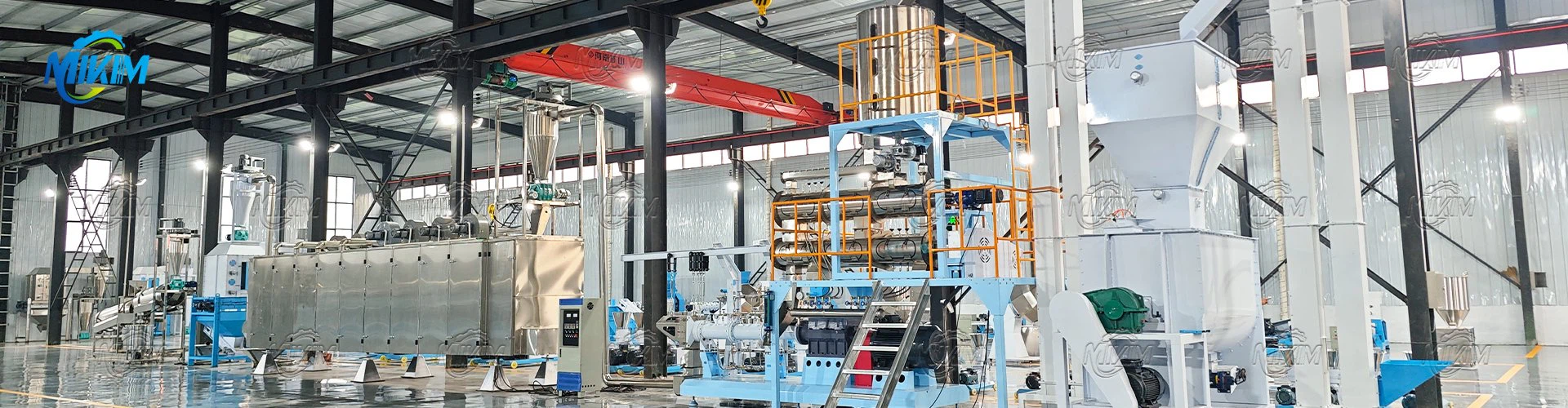
For investors who are new to the breeding industry, they should make choices based on their own needs and economic strength. The following will introduce you to several common types of feed machinery and equipment from the aspects of scope of application, process flow, configuration price, etc.
The pellet feed machine compresses animal feed into cylindrical, spherical or block-shaped pellet feed through pressing technology. This type of machine is suitable for a variety of breeding places such as poultry, livestock, aquaculture and birds. It is highly economical, and because pellet feed is not easy to deteriorate during storage, it can also effectively reduce feed waste and environmental pollution. When investing, you should pay attention to whether the machine's spindle speed, process width, power distribution power and pressure parameters meet the product standard regulations.

| Model | Capacity | Power | Dimension | Weight |
| 125 | 80-100kg/h | 3kw | 110*35*70 cm | 95 kg |
| 150 | 120-150kg/h | 4kw | 115*35*80cm | 100 kg |
| 210 | 200-300kg/h | 7.5kw | 115*45*95cm | 300 kg |
| 260 | 500-600kg/h | 15kw | 138*46*100cm | 350 kg |
| 300 | 700-800kg/h | 22kw | 130*53*105cm | 600 kg |
| 360 | 900-1000kg/h | 22kw | 160*67*150cm | 800 kg |
| 400 | 1200-1500kg/h | 30kw | 160*68*145cm | 1200 kg |
The mixed feed machine can mix a variety of feed raw materials evenly to achieve the purpose of balancing nutrients, while also reducing feed costs. This type of equipment is suitable for small and medium-sized poultry and livestock farms, and the investment amount is relatively small. However, when purchasing, attention should be paid to whether the equipment's capacity, mixing time, motor power and other parameters meet production needs.
In short, for investors who are new to the breeding industry, the selection of feed machinery and equipment should be based on economic benefits and actual needs as the primary factors, and they should also understand and conscientiously follow relevant policies and regulations.