
However, the digestive system of ruminants is different from that of monogastric animals. They need a large amount of crude fiber feed to maintain the normal function of the rumen, and also need an appropriate amount of concentrated feed to supplement nutrients such as energy, protein and minerals. Therefore, how to scientifically and reasonably formulate ruminant feed is the key to ensuring the health and production performance of ruminants.
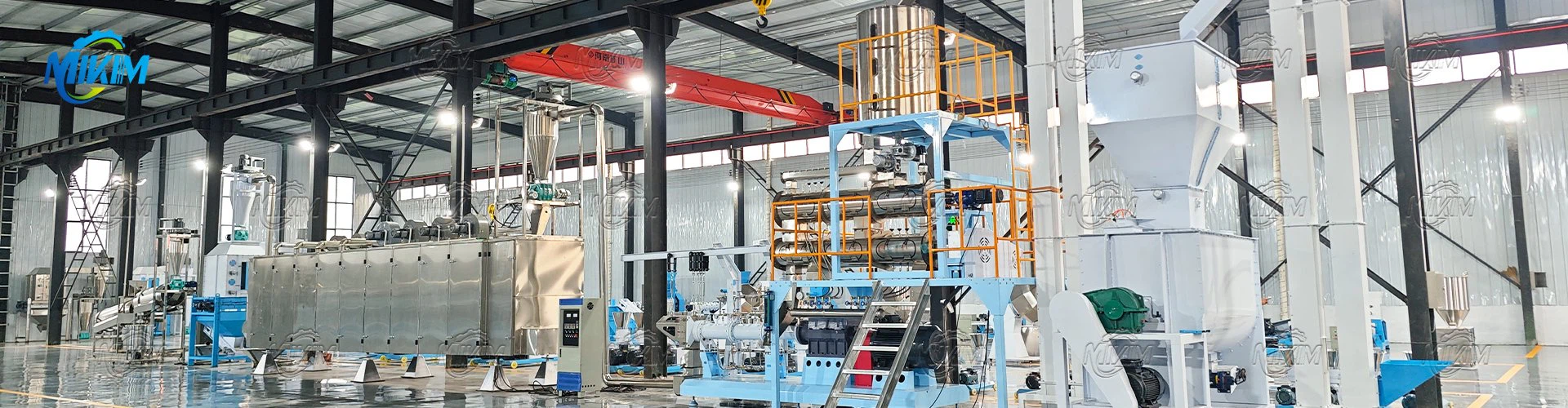
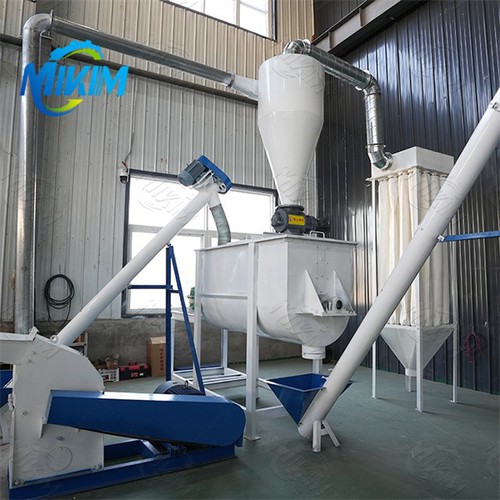
Ruminant feed production line refers to equipment and processes specifically used to produce ruminant feed. It mainly includes raw material cleaning, crushing, mixing, granulation, cooling, screening, packaging and other steps. The design and configuration of the ruminant feed production line should be customized according to different raw material characteristics, product requirements and market demand to achieve optimal production efficiency and quality.
| Model | Capacity | Power | Dimension | Weight |
| 125 | 80-100kg/h | 3kw | 110*35*70 cm | 95 kg |
| 150 | 120-150kg/h | 4kw | 115*35*80cm | 100 kg |
| 210 | 200-300kg/h | 7.5kw | 115*45*95cm | 300 kg |
| 260 | 500-600kg/h | 15kw | 138*46*100cm | 350 kg |
| 300 | 700-800kg/h | 22kw | 130*53*105cm | 600 kg |
| 360 | 900-1000kg/h | 22kw | 160*67*150cm | 800 kg |
| 400 | 1200-1500kg/h | 30kw | 160*68*145cm | 1200 kg |
The advantages of ruminant feed production line are as follows:
- According to different ruminant species and growth stages, feed suitable for their nutritional needs and digestive characteristics can be formulated to improve feed utilization and animal production performance;
- Low-cost raw materials such as local abundant crop straw and green fodder can be used to reduce feed costs and increase breeding income;
- The palatability, uniformity and stability of feed can be improved through crushing, mixing, granulation and other processes, and feed loss and pollution can be reduced;
- The nutritional value and functionality of feed can be improved by adding appropriate amounts of additives, animal diseases can be prevented and controlled, and animal health can be promoted. Which feed machinery should investors who are new to the breeding industry choose?