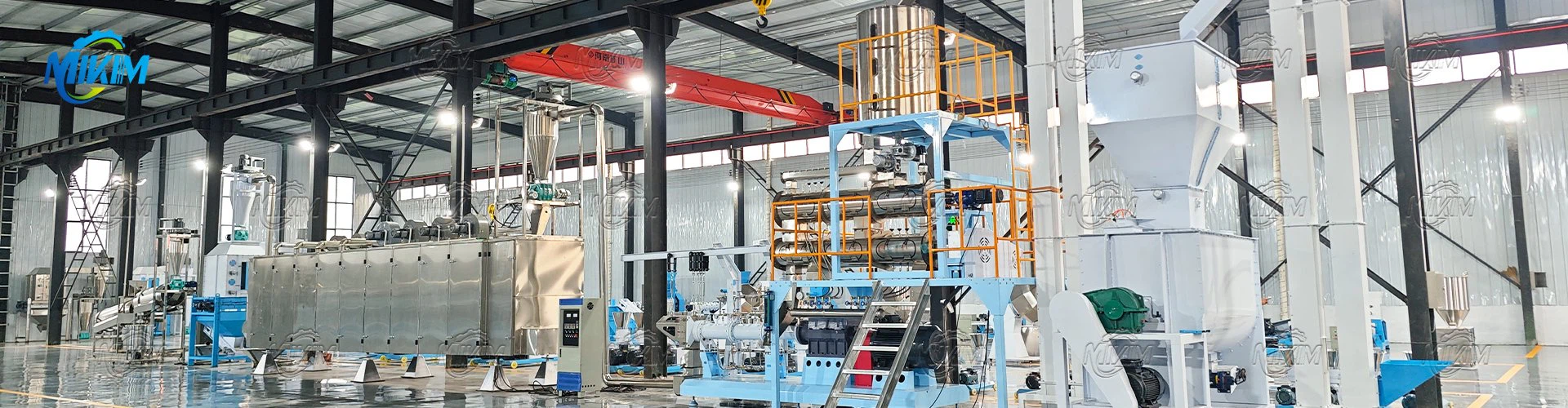
A properly functioning floating fish feed pellet making machine is vital for consistent production. Clogging, often caused by raw material issues or improper operation, can disrupt production and lead to costly repairs. This guide helps aquaculture businesses identify and address clogging issues, improving production efficiency and extending equipment lifespan.
Featured Snippet (Quick Answer
How can I reduce nutrient loss in floating fish feed pellet making machines?
- To reduce nutrient loss:
- Control processing temperature with segmented control.
- Optimize moisture content around 20%.
- Balance raw material formulation and add stabilizers.
- Shorten processing time by increasing screw speed.
- Use post-coating technology for heat-sensitive nutrients.
- Select high-performance equipment with precise control systems.
- Regularly test nutrient content and train operators for optimal production.
Details
I. Common Causes of fish feed pellet maker machineClogging
Key Causes:
- Raw Material Issues:
Excessive moisture or stickiness in raw materials can lead to clumping during extrusion, blocking the machine.
- Insufficient Maintenance:
Lack of cleaning or lubrication can cause dirt buildup, hindering material flow.
- Improper Operation:
Overloading the machine or failing to follow proper feed rate can obstruct material movement.
- Temperature Control Issues:
Inadequate heating prevents material from expanding properly, increasing friction and causing blockages.
- Impact: Clogging reduces production speed and can damage equipment.
II. How to Handle Blockages in fish feed pellet making machines?
Steps to Handle Blockages:
- Stop and Clean:
Immediately stop the machine when a blockage is detected. Turn off the power and clean the inlet, outlet, and screw.
- Disassembly and Inspection:
For severe blockages, disassemble the machine and check for foreign objects or residue. Clean with brushes or compressed air.
- Use Cleaning Agents:
For stubborn residue or oil stains, use a mild cleaning agent that won't corrode equipment materials.
- Inspect and Replace Parts:
After cleaning, inspect parts (e.g., screws, heaters) for wear and replace if necessary.
- Key Tip: Regular cleaning after each operation minimizes blockages.
III. How to Prevent small floating fish feed pellet extruder millBlockage?
Prevention Tips:
- Control Raw Material Quality:
Ensure uniform particle size and appropriate moisture content. Dry or pulverize materials before processing to avoid clogging.
- Regular Equipment Cleaning:
Clean screws, screens, feed inlets, and outlets regularly to remove accumulated dirt and residue.
- Operator Training:
Train operators to avoid overloading and regularly monitor the feed rate and machine condition.
- Monitor Temperature & Pressure:
Ensure the heating system is functioning properly and regularly monitor temperature and pressure to maintain consistent material expansion.
- Prevention is key to reducing downtime and maintenance costs.
IV. Importance of small fish food making machine Maintenance
Key Maintenance Actions:
- Lubricate Moving Parts:
Regularly lubricate screws, bearings, and gears to reduce wear.
- Check Electrical Systems:
Inspect circuits, sensors, and control systems for stability to prevent equipment downtime.
- Inspect Heating Systems:
Ensure the temperature control system is calibrated to prevent temperature fluctuations during extrusion.
- Consistent maintenance not only prevents blockages but extends equipment life.
V. Recommended MIKIM Fish Feed Extruder
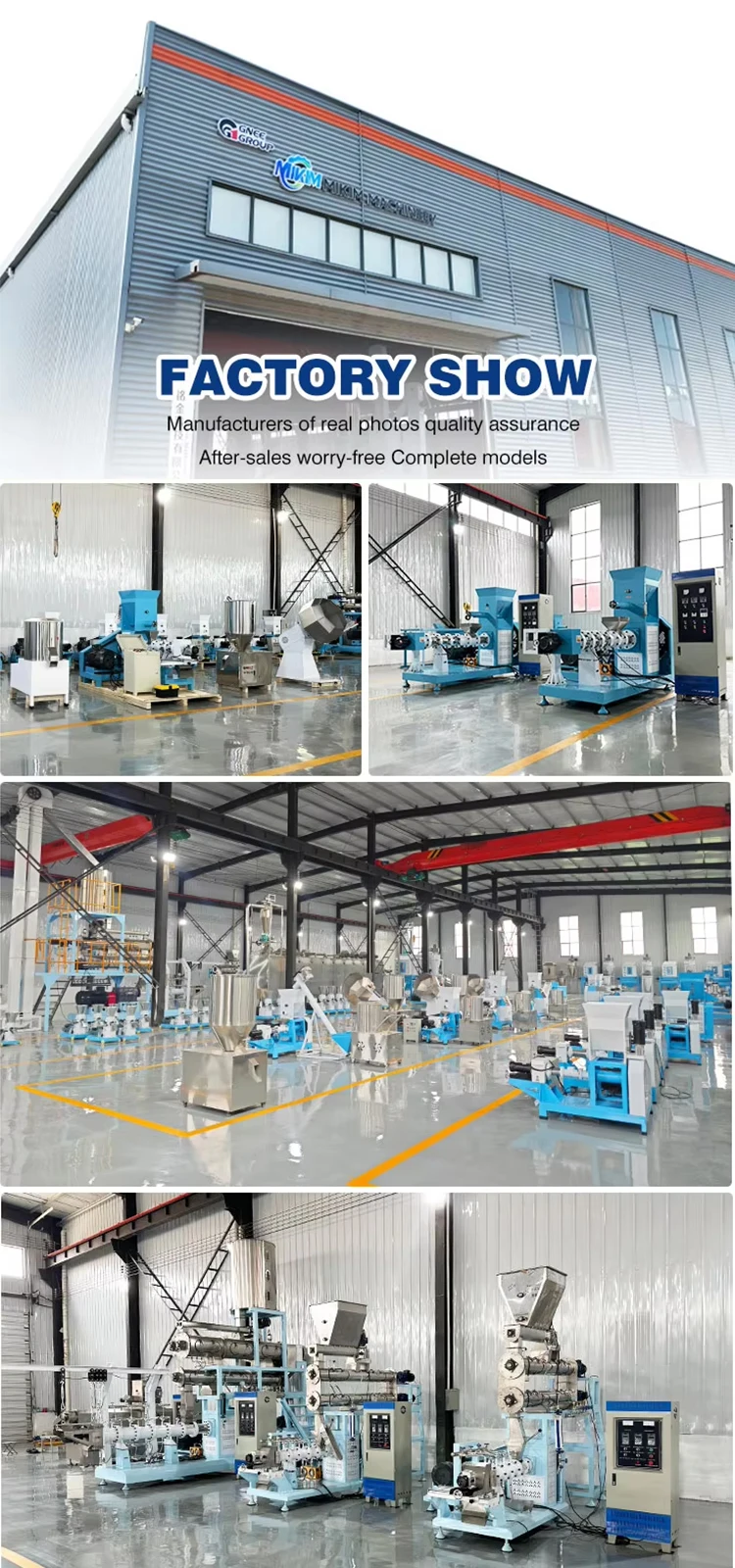
Using high-quality extruders like MIKIM can significantly reduce the risk of clogging. MIKIM's advanced design ensures efficient feed flow, reduces clogging, and simplifies cleaning.
Features of MIKIM fish feed pellet mills:
- Efficient Design:
Advanced screw design ensures smooth material flow, reducing clogs.
- Durable Components:
High-quality, wear-resistant materials extend equipment lifespan.
- Easy Cleaning:
Simplified disassembly and cleaning process reduce maintenance costs and ensure consistent feed quality.
Real-life video of a wet floating fish feed extruder machine
Expanded FAQ
1. How do I prevent clogging in my automatic floating fish feed making machine?
Control raw material moisture, ensure uniform particle size, and regularly clean the equipment.
2. What causes clogging in a small electric fish feed extruder machine?
Causes include excessive moisture, improper maintenance, overloading, and temperature control issues.
3. How can I clean my small floating fish feed making machine after a blockage?
Stop the machine, disassemble key components, and use brushes or compressed air for cleaning.
Company Profile