Fish feed pellet maker machines are crucial in aquaculture feed production. Correct operation prevents issues like overloads and blockages, which can disrupt production. By following the right operating procedures, precautions, and maintenance tips, you can improve both production efficiency and equipment longevity.
Featured Snippet (Quick Answer)
How should a small fish feed pellet mill be operated?
To properly operate a small fish feed pellet mill:
- Clean equipment before use, especially the feed inlet and discharge outlet.
- Set proper parameters for temperature, screw speed, and feed rate.
- Gradually heat the equipment during startup, monitoring pressure and temperature.
- Feed uniformly and monitor expansion during extrusion.
- After production, properly shut down the machine and clean it to maintain quality.
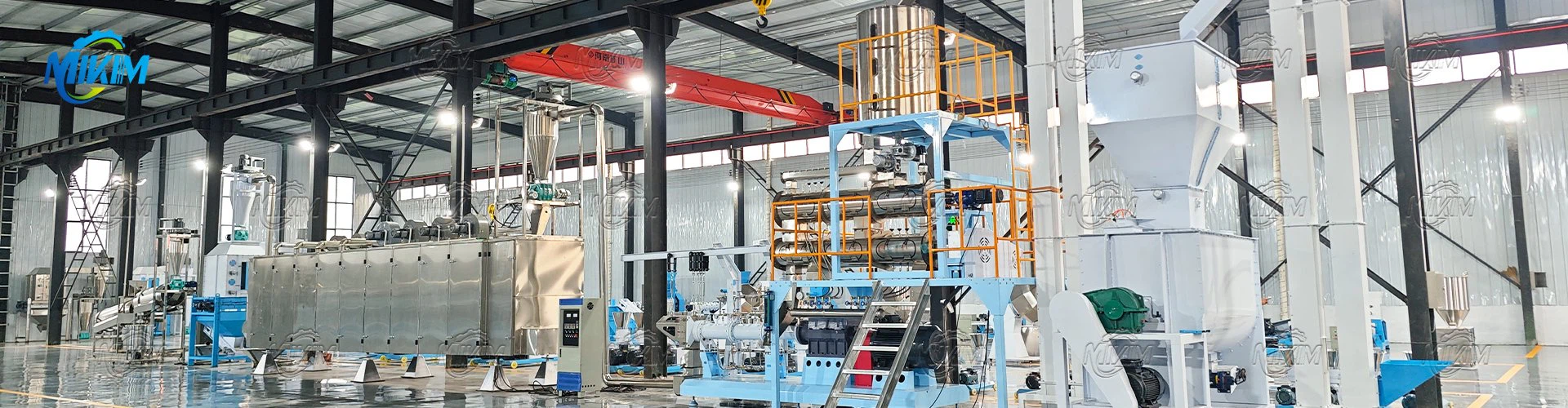
Pet Food Extruder Factory Trial Run
Details
I. Preparation: Ensure the Cleanliness of the Fish Feed Pellet Making Machine
Key Steps:
- Clean the feed inlet and discharge outlet to prevent blockages.
- Inspect equipment components (e.g., screw, heating elements) to ensure they are in working condition.
Importance:
Preventing cross-contamination and ensuring smooth operation are crucial for consistent feed production.
II. Correctly configure Aquatic feed pellet mill parameters:
Temperature Control:
- Adjust based on raw material type to ensure proper puffing.
- Screw Speed:
- Ensure uniform puffing. Avoid excessive speed that may cause overheating or uneven expansion.
- Feed Rate:
- Control to ensure stable equipment operation without overloading.
Importance:
Correct settings optimize production quality and prevent malfunctions.
III. Equipment Start-Up: Gradual Heating and Adjustment
Key Tips:
- Gradually heat the extruder to avoid overload and equipment damage.
- Monitor temperature and pressure to ensure they stay within a safe range.
Importance:
Slow heating and gradual pressure changes help prevent operating problems.
IV. Feeding and Extrusion Operation
Best Practices:
- Uniform feeding ensures consistent material flow and prevents blockages.
- Monitor material expansion during extrusion; adjust temperature and screw speed if necessary.
Importance:
Proper feeding ensures uniform product quality and avoids production interruptions.
V. Monitoring the Operation of the Floating Fish Feed Pellet Extruder Machine
Key Actions:
- Regularly check temperature and pressure.
- Ensure uniform feed discharge to prevent blockages.
- If issues are found, stop the machine to diagnose and resolve them.
Importance:
Regular monitoring helps identify potential problems early and prevents downtime.
VI. End of Operation: Proper Shutdown and Cleaning
Key Steps:
- Gradually reduce feed rate to avoid a sudden load increase.
- Clean equipment after each operation, focusing on the feed inlet, discharge outlet, screw, and screen.
Importance:
Proper shutdown and cleaning help reduce wear and tear on floating fish feed production machines, ensuring product consistency..
VII. Regular Equipment Maintenance
Key Actions:
- Lubricate moving parts like the screw and bearings to reduce friction.
- Inspect electrical systems to ensure stability.
- Regularly replace worn parts such as heaters, screws, and gears.
Importance:
Regular maintenance and lubrication improve operating efficiency and extend lifespan.
Expanded FAQ
1. Why is it important to clean the small electric fish feed extruder machine?
Cleaning the feed inlet and discharge outlet prevents blockages and ensures smooth material flow.
2. How does temperature control affect the small floating fish feed extruder machine operation?
Proper temperature control ensures proper puffing of the feed, affecting texture and quality.
3. What happens if the screw speed is too high?
Excessive screw speed may lead to overheating or uneven expansion, affecting feed quality.
4. Why should the feed rate be controlled?
Maintaining the correct feed rate helps stabilize the machine's operation and prevent overloading.
5. How do I monitor the small fish food making machine during operation?
Regularly check the temperature, pressure, and feed discharge for consistency, addressing any issues immediately.
Company Profile