
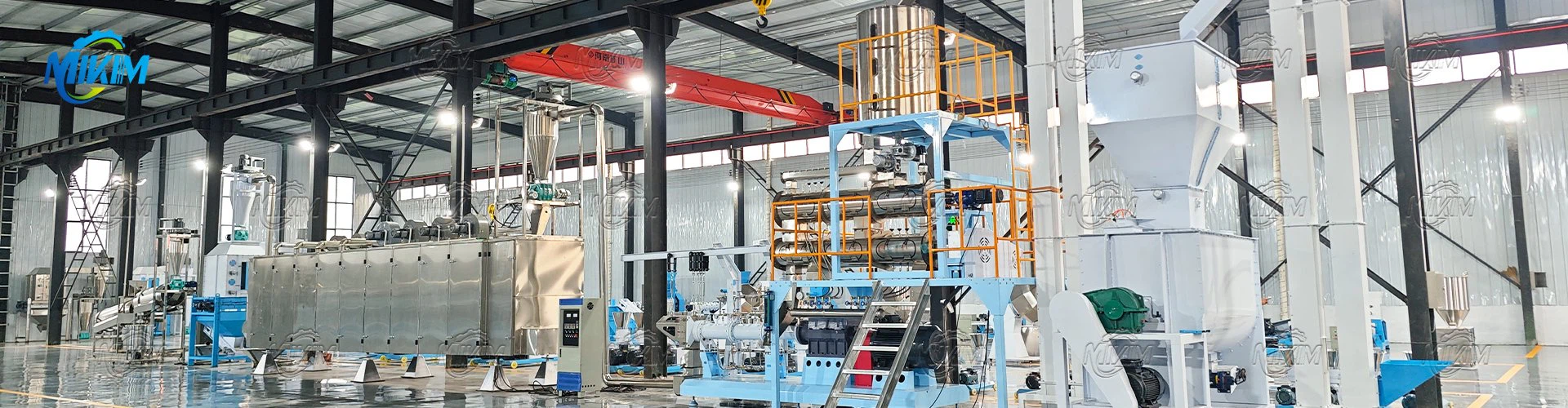
When purchasing feed pellet production line, you should consider the after-sales service of the equipment. Good after-sales service is a strong guarantee for the normal operation of the equipment. When choosing equipment, you should understand the manufacturer's after-sales service policy, including equipment installation, commissioning, training, maintenance and other aspects. Choosing a manufacturer with a complete after-sales service system can get timely and effective solutions when problems are encountered during the use of the equipment.

| Model | Capacity | Power | Dimension | Weight |
| 125 | 80-100kg/h | 3kw | 110*35*70 cm | 95 kg |
| 150 | 120-150kg/h | 4kw | 115*35*80cm | 100 kg |
| 210 | 200-300kg/h | 7.5kw | 115*45*95cm | 300 kg |
| 260 | 500-600kg/h | 15kw | 138*46*100cm | 350 kg |
| 300 | 700-800kg/h | 22kw | 130*53*105cm | 600 kg |
| 360 | 900-1000kg/h | 22kw | 160*67*150cm | 800 kg |
| 400 | 1200-1500kg/h | 30kw | 160*68*145cm | 1200 kg |
Finally, comprehensively compare prices and cost-effectiveness. Price is certainly one of the important factors to consider when choosing equipment, but it is not a decisive factor. When comparing prices, comprehensive consideration should be given to various factors such as equipment performance, quality, degree of automation and after-sales service. Choosing equipment with high cost-effectiveness can bring greater economic benefits to the enterprise.
In short, choosing pellet feed processing and production equipment is a process of comprehensive consideration of many factors. Only by clarifying the needs, examining the performance and quality, considering the level of automation and intelligence, paying attention to after-sales service and comprehensively comparing the price and cost-effectiveness can you choose the equipment that best suits your company.