
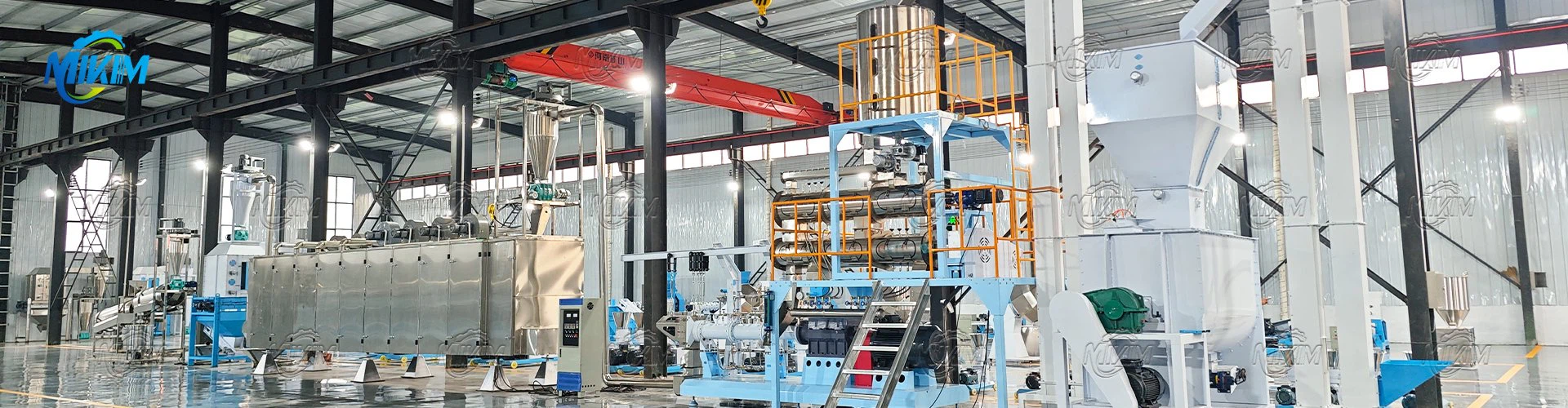
First of all, lubrication is a key link in maintaining the normal operation of the equipment. Regularly check the lubrication of the equipment to ensure that the lubrication system is normal, the oil quality is qualified, and the oil level is appropriate. According to the use time and frequency of the equipment, regularly replace the lubricating oil to reduce friction, reduce energy consumption and extend the life of the equipment.

| Model | Capacity | Power | Dimension | Weight |
| 125 | 80-100kg/h | 3kw | 110*35*70 cm | 95 kg |
| 150 | 120-150kg/h | 4kw | 115*35*80cm | 100 kg |
| 210 | 200-300kg/h | 7.5kw | 115*45*95cm | 300 kg |
| 260 | 500-600kg/h | 15kw | 138*46*100cm | 350 kg |
| 300 | 700-800kg/h | 22kw | 130*53*105cm | 600 kg |
| 360 | 900-1000kg/h | 22kw | 160*67*150cm | 800 kg |
| 400 | 1200-1500kg/h | 30kw | 160*68*145cm | 1200 kg |
Secondly, the inspection and replacement of wearing parts cannot be ignored. The belts, bearings, gears, blades and other wearing parts of the equipment will inevitably wear and damage during use. Regularly check the use of these wearing parts and replace or repair them in time to ensure the normal operation and production efficiency of the equipment. At the same time, recording the replacement cycle and wear of wearing parts will help predict possible failures and carry out planned maintenance.
Cleaning is also an important step in maintaining the normal operation of the equipment. The equipment will produce dirt and residues during use. If they are not cleaned in time, these substances will affect the normal operation of the equipment and even cause failures. Therefore, the equipment should be cleaned regularly, including various internal and external components.