
content
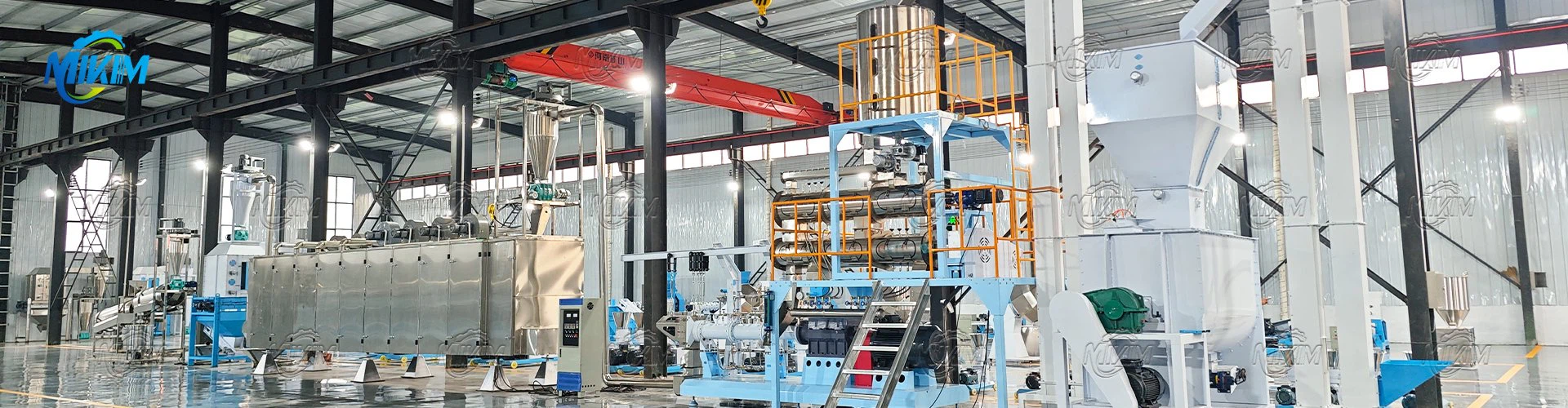
Equipment Investment Costs: For small-scale fish farmers using floating fish feed pellet making machines to produce animal feed, the initial investment can be controlled between 10,000 and 50,000 yuan. It is recommended to choose a small flat die pellet mill or a small ring die pellet mill, combined with a small hammer mill and a vertical mixer, to build a basic production line. To improve feed quality, small fish feed pellet extruders can be added to process the core raw materials. Compared to purchasing commercial feed, the equipment investment can usually be recovered through cost savings within 6-12 months.
Raw material cost savings are the core benefit: Using a fish feed pellet processing machine to produce animal feed allows for flexible use of local, inexpensive raw materials (such as corn stalks, bran, and local grains), reducing reliance on expensive commercial raw materials. For example, crushing corn stalks and mixing them with corn flour and soybean meal for pelleting can reduce the raw material cost per ton of feed by 300-800 yuan; at the same time, the raw material utilization rate of the pellet mill is over 98%, far exceeding the 85%-90% of traditional powdered feed, reducing raw material waste. When used in conjunction with a fish feed pellet mill extruder, low-cost protein raw materials such as meat and bone meal and offal can be fully utilized, further reducing raw material costs, improving feed digestibility, reducing animal manure volume by 15%-20%, and lowering the cost of pollution treatment in aquaculture.
Labor and storage cost advantages: The process of producing animal feed using fish feed production equipment is simple and can be operated by one person. Monthly labor costs are only 3,000-5,000 yuan, far lower than the transportation and handling costs of purchasing commercial feed. Pellet feed has a density 1.5-2 times that of powdered feed, reducing storage space by more than 50%, and is less prone to moisture absorption and mold growth, extending its shelf life by 2-3 months compared to powdered feed, reducing feed spoilage losses. For example, the monthly spoilage loss rate of powdered feed is about 5%, while that of pelleted feed is only 1%-2%. Producing 10 tons of feed per month can reduce losses by 400-800 yuan.
Cost balance is important: If only producing basic feed for self-use, there is no need to use a floating fish feed extruder machine to control initial investment; if planning to sell feed in small batches, an extruder is needed to improve quality and enhance market competitiveness. In summary, using pellet mills to produce animal feed is cost-effective for small-scale farmers and is an effective way to reduce costs and increase efficiency. Properly combining pellet mills with extruders can further enhance the value of the feed.
Related equipment


about Us
Customer visit

Certificate of Honor

FAQ
1. What is the price of the small floating fish feed machine?
The price ranges from approximately $1,500-$55,000
2. Do you provide maintenance services for your customers?
Yes, we offer comprehensive after-sales maintenance services to our customers.
If you would like to learn more about MIKIM machinery, please contact us. We offer one-stop service and welcome your inquiries!!!