
content
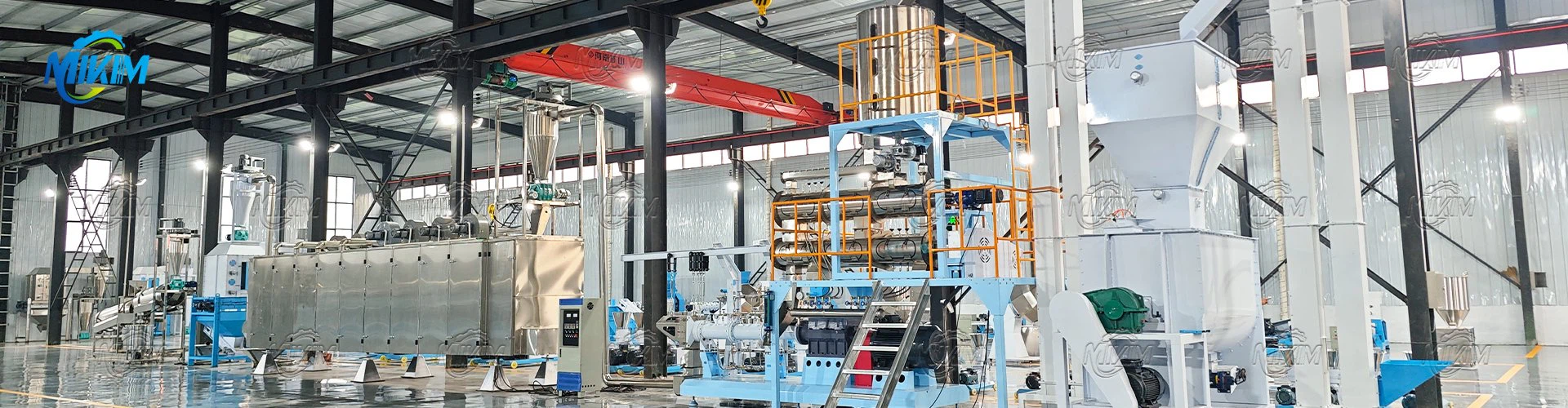
The core technological difference lies in their fundamental distinction: fish feed pellet processing machines use a "physical extrusion molding" process to produce animal feed. This process requires no high temperatures; it compresses powdered raw materials into pellets solely through the extrusion action of rollers and molds. The entire process temperature does not exceed 60℃, and it falls under the category of "raw feed pelleting." In contrast, small pet feed extruder machines employ a "high-temperature, high-pressure curing + molding" process. The friction between the screw and the extrusion chamber generates temperatures of 120-160℃ and pressures of 3-8MPa, causing the raw materials to expand and shape simultaneously with curing. This is the core pre-processing step in "cooked feed pelleting."
The difference in feed quality is significant: Animal feed made using a floating fish feed pelleting machine, because it is not properly cooked, has a starch gelatinization rate of only 50%-60% and a protein utilization rate of about 65%, resulting in lower animal digestibility and absorption. Furthermore, harmful bacteria in the raw materials (such as Salmonella) cannot be effectively killed, requiring the addition of preservatives to extend shelf life. Feed processed using a Fish Feed Extrusion Process and then pelleted has a starch gelatinization rate of over 85%, a protein utilization rate exceeding 80%, and the high temperature kills over 99% of harmful bacteria. It can achieve a shelf life of over 6 months without preservatives, and the feed has a crispier texture, improving palatability by over 30%.
The applicable scenarios differ clearly: Pet food pellet machines are suitable for producing roughage feed for ruminants, basic feed for adult livestock and poultry, or self-use feed with low quality requirements. Their advantages are low cost, simple process, and low energy consumption, making them suitable for small and medium-sized farmers. Floating fish feed extruder machines are suitable for producing feed for young animals, high-end commercial feed, and aquatic feed. Their advantages are high feed quality, strong safety, and high digestibility, but the equipment cost and energy consumption are higher, making them suitable for medium to large-sized feed mills or large-scale farmers pursuing high-quality feed.
In practical applications, the two are often used in combination: When making animal feed with a pellet mill, the core raw materials (such as corn and soybean meal) are first matured using a floating fish food extruder, then mixed with other raw materials before being fed into the pellet mill. This retains the storage advantages of pellet feed while improving nutrient absorption.
Related equipment


about Us
Customer visit

Certificate of Honor

FAQ
1. What is the price of the small fish feed pellet extruder?
The price ranges from approximately $1,500-$55,000
2. Do you provide maintenance services for your customers?
Yes, we offer comprehensive after-sales maintenance services to our customers.
If you would like to learn more about MIKIM machinery, please contact us. We offer one-stop service and welcome your inquiries!!!