
content
Tool Selection: Matching Tools to Blockage Types to Avoid Common Mistakes
Different blockage types require different specialized tools. The core principles are "suitable orifice diameter, scratch-resistant, and easy to operate," while also considering the nozzle material of the floating fish meal processing machine (usually stainless steel or alloy steel). First, for blockages caused by dried materials: prioritize food-grade fine brushes (one set for different orifice diameters), warm water, neutral detergent, and a dry cloth. Auxiliary tools can include toothpicks wrapped in soft cloth and a small ultrasonic cleaner (suitable for small orifice nozzles to quickly soften dried materials). Second, for blockages caused by hard impurities: use non-slip tweezers, fine steel wire wrapped in soft cloth, and a small wrench (for nozzle disassembly). Do not use corrosive tools such as ordinary steel wool or sandpaper. Third, for blockages caused by sludge (formed by a mixture of grease and dust in the raw materials): use food-grade degreaser, a high-pressure water gun (low-pressure mode), and a fine brush. Auxiliary tools can include a small, flexible drain cleaner. Key points to avoid: Do not use excessively thick or hard tools to avoid scratching the nozzle orifice of the floating fish feed extruder machine; do not use corrosive tools or reagents to avoid corroding the nozzle material.

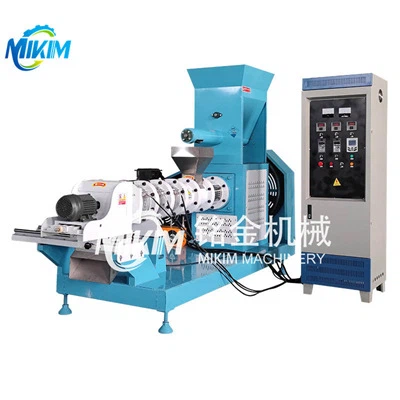
Step-by-step operation: Hands-on practice with professional tools for efficient unclogging with no residue
Taking the most common example of "clogged sludge and dried material," this guide details the step-by-step operation process using professional tools to ensure compatibility with the unclogging needs of the floating fish food making machine nozzle. Step 1: Safely shut down the machine to allow it to cool down and disassemble the nozzles (refer to the safety procedure above). Wipe the nozzle surface with a dry cloth to remove oil and dust.
Step 2: Use a high-pressure water gun (low-pressure mode) to rinse the nozzle surface and orifice, initially cleaning surface sludge and loose materials.
Step 3: Immerse the nozzles in warm water mixed with food-grade degreaser for 20 minutes to soften sludge and dried materials, gently wiping the nozzle surface with a fine-bristled brush during this time.
Step 4: Use a fine-bristled brush matching the orifice size to unclog the orifice, using a toothpick wrapped in a soft cloth to remove small residues. If stubborn sludge remains in the orifice, gently agitate it with a small flexible drain cleaner for thorough cleaning.
Step 5: Rinse the nozzles repeatedly with warm water to ensure no sludge, material, or reagent residue remains. After drying with a dry cloth, check the orifice patency of the floating fish food manufacturing extruder machine.

Tool Maintenance: Extending the lifespan of your floating fish food maker machine and ensuring effective unclogging
1. After each use, promptly clean the tools of any materials and grease, rinse them with warm water, and dry them before storing.
2. Regularly disinfect tools such as fine brushes and tweezers by soaking them in food-grade disinfectant (once a month) to prevent bacterial growth.
3. Regularly check the operating status of power tools such as high-pressure water guns and ultrasonic cleaners, and replenish lubricating oil and clean pipes as needed to prevent malfunctions.
4. Store tools categorized by type, labeled with the corresponding blockage type and usage scenario to avoid mixing them up. Store them in a dry, clean environment to prevent rust and damage.
about Us
Customer visit

Certificate of Honor

FAQ
1. What is the price of the floating fish food pellet manufacturing machine?
The price ranges from approximately $1,500-$55,000
2. Do you provide maintenance services for your customers?
Yes, we offer comprehensive after-sales maintenance services to our customers.
If you would like to learn more about MIKIM machinery, please contact us. We offer one-stop service and welcome your inquiries!!!