
content
Emergency Principles: Safety First, Speed and Efficiency, Preventing Exacerbation of Damage
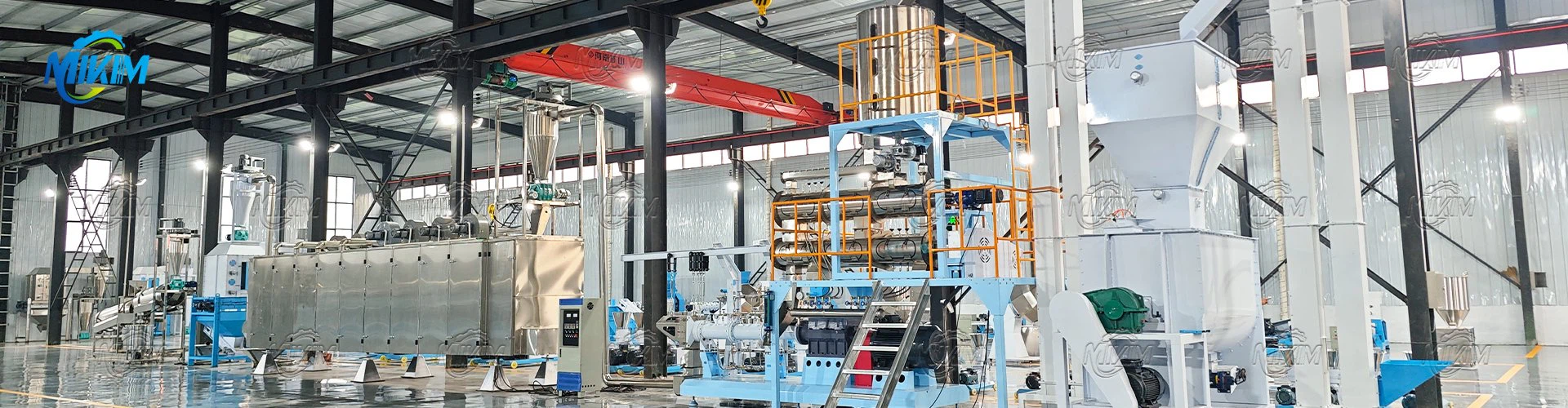
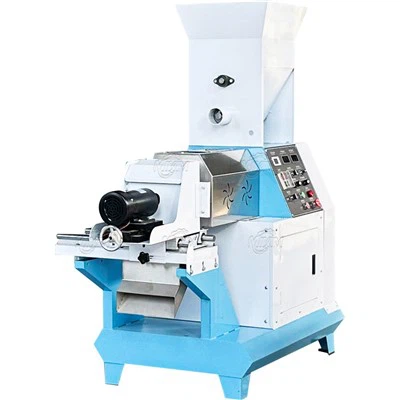
Emergency unclogging of nozzles during production follows three core principles, balancing safety and production efficiency while protecting the floating fish feed extruder machine.
1. Safety First: Never touch the nozzles directly with hands or tools while the extruder is running and cooled down. Never attempt to force the equipment to "purge" the blockage, as this could result in burns, equipment damage, or material splashing.
2. Speed and Efficiency: Choose the simplest and most efficient unclogging method, prioritizing the use of available tools to minimize unclogging time and reduce production interruption losses (target: unclogging simple blockages within 10-15 minutes, complex blockages within 30 minutes).
3. Preventing Exacerbation: During unclogging, avoid pushing the blockage into the floating fish food maker machine barrel. Avoid excessive force that could damage nozzles, screws, or other components. If unclogging is difficult, stop the machine immediately for disassembly; do not attempt further unnecessarily.


Emergency Unblocking Procedure: Production Resumption Within 30 Minutes, Adaptable to Various Production Scenarios
This procedure provides a practical emergency unblocking process for the most common blockages in production, such as dried-up materials and small, hard impurities, ensuring rapid production resumption while also monitoring the operational status of the floating fish food making machine. Step 1: Emergency shutdown. Turn off the power, unplug the machine, and hang warning signs. Simultaneously close the feed valve of the extruder to prevent more material from entering the barrel.
Step 2: Rapid cooling. Use a fan to blow air onto the nozzles and barrel to accelerate cooling (no need to wait for complete cooling; reaching around 60℃ is sufficient to shorten the unblocking time).
Step 3: Initially check for blockage type. Observe the discharge end. If impurities are exposed, quickly remove them with tweezers. If it is dry material, wrap the nozzle with a cloth dampened with warm water to soften the surface material, then use a fine brush for initial unblocking.
Step 4: If initial unblocking is ineffective, quickly disassemble the nozzle and use on-site spare tools (fine brush, tweezers, warm water) to unblock it using conventional methods. Simultaneously, assign a dedicated person to clean any remaining material inside the barrel to prevent secondary blockage.
Step 5: After unblocking, quickly reset the nozzle, start the machine for a no-load test, and once the pressure and speed of the floating fish meal processing machine are confirmed to be normal and the discharge is smooth, immediately resume production.

Emergency Precautions: Mitigating Risks and Minimizing Losses
1. Do not rinse the high-temperature nozzle directly with cold water to avoid deformation due to thermal expansion and contraction.
2. Do not forcefully poke or poke the nozzle orifice to avoid damaging the nozzle and affecting subsequent pellet formation.
3. During the unblocking process, operators must wear high-temperature resistant protective gloves and face shields to avoid burns.
4. If the blockage is severe and cannot be cleared within 30 minutes, immediately start the backup floating fish meal making machine or adjust the production plan, and contact professional maintenance personnel to avoid prolonged downtime.
5. After emergency unblocking, thoroughly clean and inspect the nozzle after production to check for any hidden damage and prevent re-blocking.
about Us
Customer visit

Certificate of Honor

FAQ
1. What is the price of the small Automatic Dog Food machine?
The price ranges from approximately $1,500-$55,000
2. Do you provide maintenance services for your customers?
Yes, we offer comprehensive after-sales maintenance services to our customers.
If you would like to learn more about MIKIM machinery, please contact us. We offer one-stop service and welcome your inquiries!!!