
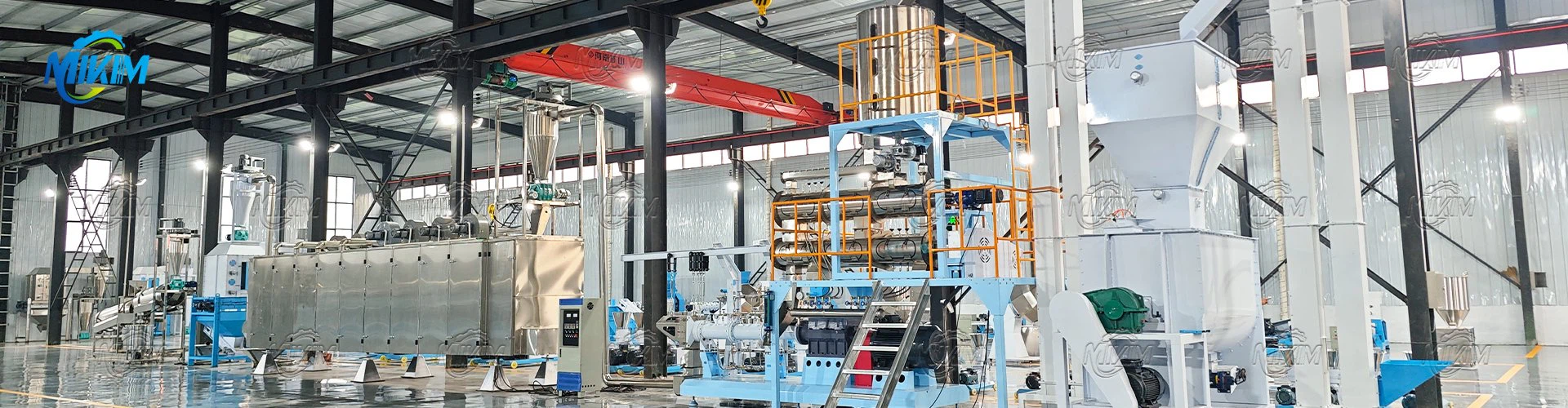
Raw Material Identification and Storage
The foundation of production management is knowing what is stored where. Different biomass and feed materials should be kept in separate bins and dedicated storage areas, away from flammable materials, explosive dust and fire sources. Each bin must be marked with a clear sign stating the material name, moisture content and purchase date. When material is delivered, the receiving personnel and the supplier should check and sign off the quantity and quality together, so that errors are caught at the gate instead of in the production line.
Feeding Port Numbering and Control
In a pellet mill production line, every feeding port should be numbered and recorded on a field distribution map. The test room, control operators, equipment managers and feeders must all use the same numbering system when referring to the ports and the materials they hold. This single point of reference prevents the classic error of feeding the wrong material into a process, which is one of the most costly mistakes in feed production. The numbering system should be displayed at the port itself and cross-referenced to the storage map.
Dust and Material Management
Each feeding port should carry a sign indicating the material it stores, with the specification and number consistent with the cooler and vibrating screen downstream. Dust control is part of the same discipline: keep the feeding area clean, avoid creating airborne dust clouds, and make sure the line's dust collection points are working. Dust is both a contamination risk and a fire and explosion hazard in feed plants, so its management is a safety issue as well as a quality issue.
Defined Responsibility for Each Station
Each pellet production line should have a person in charge of feeding, and each workstation should have a defined operator. When a problem appears, the responsible person knows immediately whether it belongs to feeding, processing, cooling or packaging. This division of responsibility is what makes troubleshooting fast: instead of everyone assuming someone else will fix it, each station has a named owner who checks and signs off the operation.
Documentation and Sign-off
Keep records of incoming materials, batch production and quality checks. The storekeeper should maintain the bin inventory, the test room should record moisture and quality results, and the control operator should log production parameters. When a batch is signed off, the complete chain of records allows the plant to trace any quality problem back to its source, which is the practical meaning of quality management in a feed plant.
Frequently Asked Questions
Why must feeding ports be numbered? Numbering creates a single reference system for all operators, preventing wrong-material errors during production.
How should raw materials be stored in a feed plant? In separate marked bins away from fire sources, with signs showing material name, moisture and purchase date.
Who should check incoming raw materials? The receiving personnel and the supplier together, signing off quantity and quality at delivery to catch errors early.
Why is dust control important in feed production? Dust is a contamination risk and a fire and explosion hazard, so it must be managed as both a quality and a safety issue.
What records should a feed plant keep? Incoming material, batch production, quality check and maintenance records, enabling full traceability of any quality problem.