
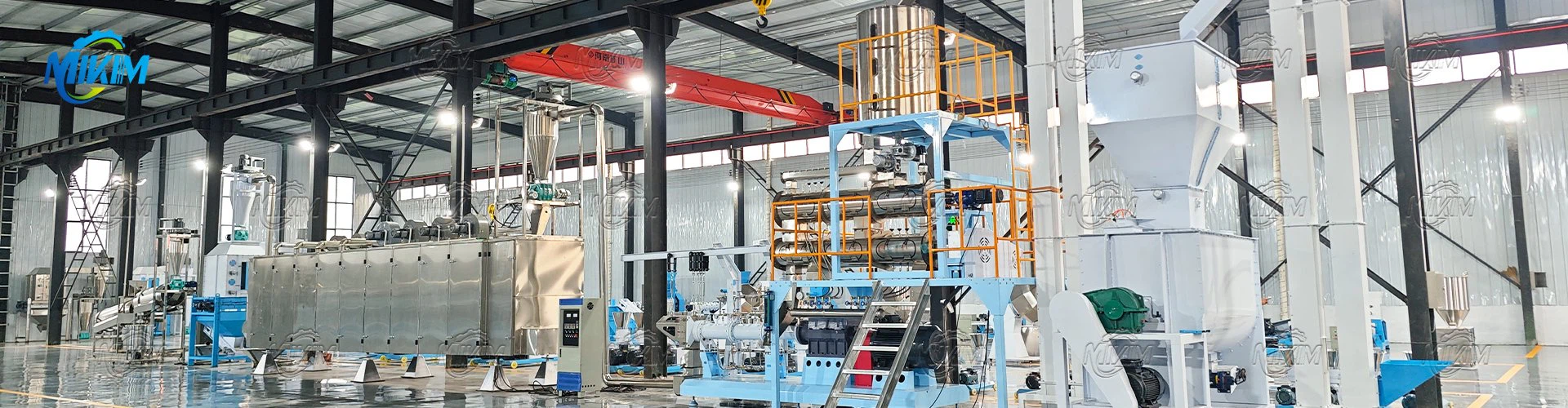
Inspection of the electrical system is equally important. Regularly check the cables and wiring of the equipment to ensure that the electrical system is working properly. Clean the dust on the motor and electrical parts to prevent overheating and damage. At the same time, check the safety switch and emergency stop button of the equipment to ensure that the equipment can be shut down immediately in an emergency.
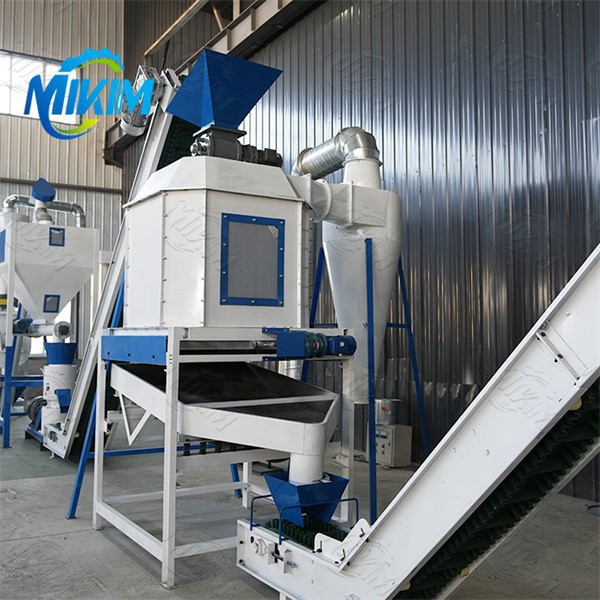
| Model | Capacity | Power | Dimension | Weight |
| 125 | 80-100kg/h | 3kw | 110*35*70 cm | 95 kg |
| 150 | 120-150kg/h | 4kw | 115*35*80cm | 100 kg |
| 210 | 200-300kg/h | 7.5kw | 115*45*95cm | 300 kg |
| 260 | 500-600kg/h | 15kw | 138*46*100cm | 350 kg |
| 300 | 700-800kg/h | 22kw | 130*53*105cm | 600 kg |
| 360 | 900-1000kg/h | 22kw | 160*67*150cm | 800 kg |
| 400 | 1200-1500kg/h | 30kw | 160*68*145cm | 1200 kg |
In addition, operator training is also an important part of maintaining the normal operation of the equipment. Operators should be familiar with the structure, performance, working principle and operation method of the equipment, and master the procedures of starting, stopping, adjusting and cleaning the equipment. Through regular training, ensure that operators understand the correct operating steps and safety regulations of the equipment, and reduce equipment failures caused by human operating errors.
Finally, formulate a detailed maintenance plan and strictly implement it. The maintenance plan should include a schedule for cleaning, lubrication, inspection and replacement of parts, as well as requirements for regular calibration and commissioning of equipment. By implementing the maintenance plan, you can ensure that the equipment is in good operating condition and improve the reliability and life of the equipment.