
content
I. Defining Production Needs: The Core Prerequisite for Selection
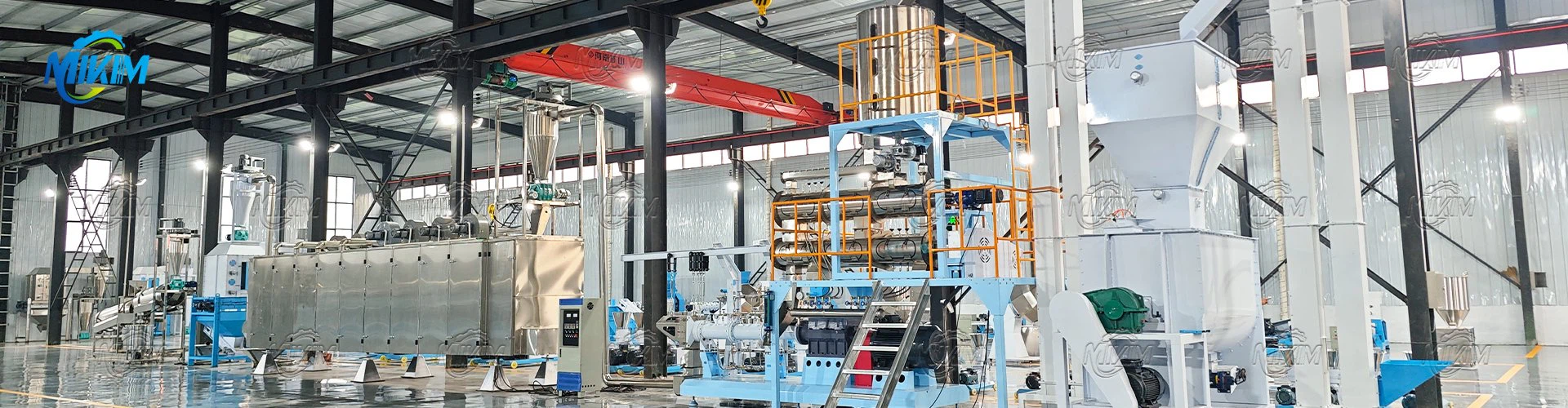
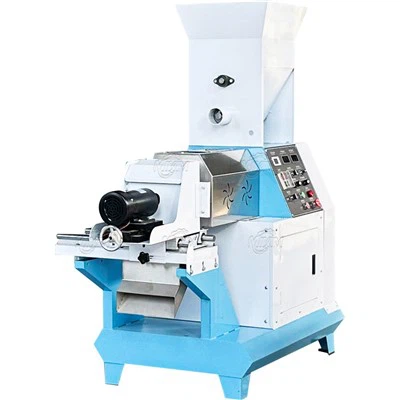
The selection of a sinking fish feed extruder machine must first be based on the company's production needs, clearly defining its production capacity, product types, and target market. This is the core prerequisite for selection, avoiding problems such as "using over-engineered equipment" or "insufficient capacity." For small aquatic feed companies (daily production capacity below 5 tons), mainly producing conventional freshwater fish feed (such as carp and grass carp feed), a small sinking fish feed making machine is a suitable choice. It has low equipment costs, is easy to operate and maintain, and is suitable for small-scale production needs. It also has low energy consumption, reducing the company's initial investment and operating costs. For medium-sized companies (daily production capacity 5-20 tons), needing to produce various types of fish feed (such as floating and sinking feeds) suitable for different fish species, a medium-sized twin-screw extruder is a good option. It offers stable production capacity, flexible process adjustments, and can achieve diversified product production. It also has a high degree of automation, reducing manual operation and improving production efficiency.


II. Equipment Performance Assessment: Ensuring Stable Production and Product Quality
The performance of the sinking fish food pellet extruder machine is crucial to production stability and fish feed quality. When selecting a model, key performance parameters must be carefully examined, including screw speed, barrel temperature, pressure adjustment range, pellet forming accuracy, and energy consumption. As the core component of the extruder, the screw's material and structure directly affect the machine's lifespan and processing efficiency. High-quality extruders use high-strength alloy steel screws, heat-treated for high hardness and wear resistance, resulting in a lifespan of 5-8 years. A well-designed screw structure (such as a twin-screw meshing structure) enhances shear force and mixing efficiency, ensuring uniform raw material gelatinization. The barrel temperature and pressure adjustment ranges must be adapted to specific production needs. For conventional fish feed production, the barrel temperature range should be 80-140℃, and the pressure range 1.0-3.0 MPa, allowing for process adjustments based on different raw materials and product types to ensure optimal feed gelatinization and pellet forming quality.

III. Adapting to Raw Material Characteristics: Ensuring Processing Effectiveness and Nutrient Retention
Fish feed raw materials are diverse, with significant differences in their physical and chemical properties. The selection of a sinking fish food pellet making machine must be tailored to the characteristics of the commonly used raw materials to ensure thorough processing while maximizing nutrient retention. For example, if a company primarily uses high-protein raw materials such as fishmeal and soybean meal, it needs to choose an extruder with strong shear force (such as a twin-screw extruder), which can thoroughly break down the raw material particles, achieving appropriate protein denaturation and improving absorption efficiency. If the company uses raw materials with high dietary fiber content such as wheat bran and rice bran, it needs to choose a sinking fish feed pellet making machine with adjustable screw speed and a wide pressure range to achieve thorough gelatinization of the raw materials and avoid the problem of indigestible dietary fiber. If the company produces high-end feed using raw materials that easily lose nutrients, such as fish oil and amino acids, it needs to choose an extruder with excellent cooling technology for rapid cooling and molding, reducing nutrient loss.
about Us
Customer visit

Certificate of Honor

FAQ
1. What is the price of the floating fish food pellet maker machine?
The price ranges from approximately $1,500-$55,000
2. Do you provide maintenance services for your customers?
Yes, we offer comprehensive after-sales maintenance services to our customers.
If you would like to learn more about MIKIM machinery, please contact us. We offer one-stop service and welcome your inquiries!!!