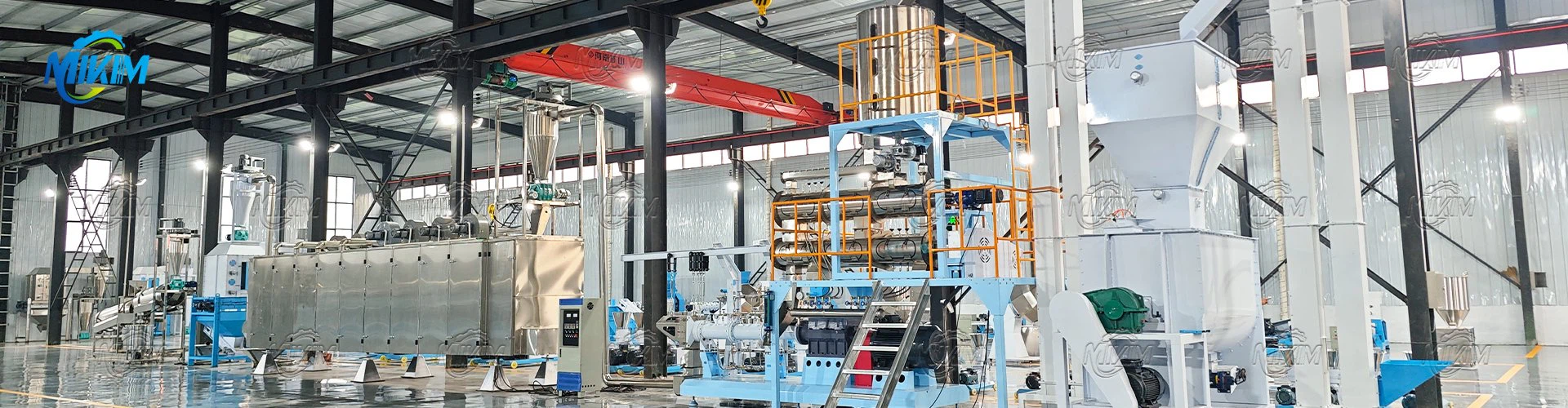
🐟 330–400kg/h small floating fish feed processing machine Testing: Real Output & Performance Verification
🎬 Introduction: Why Machine Testing Matters Before Purchase
When buyers search for a floating fish feed machine testing video, they are not just watching a machine run-they are verifying real production capability.
Before investing, most customers want to confirm:
- Is the 330–400kg/h output real or theoretical?
- Can the machine run continuously without blockage?
- Are the fish feed pellets stable and truly floating?
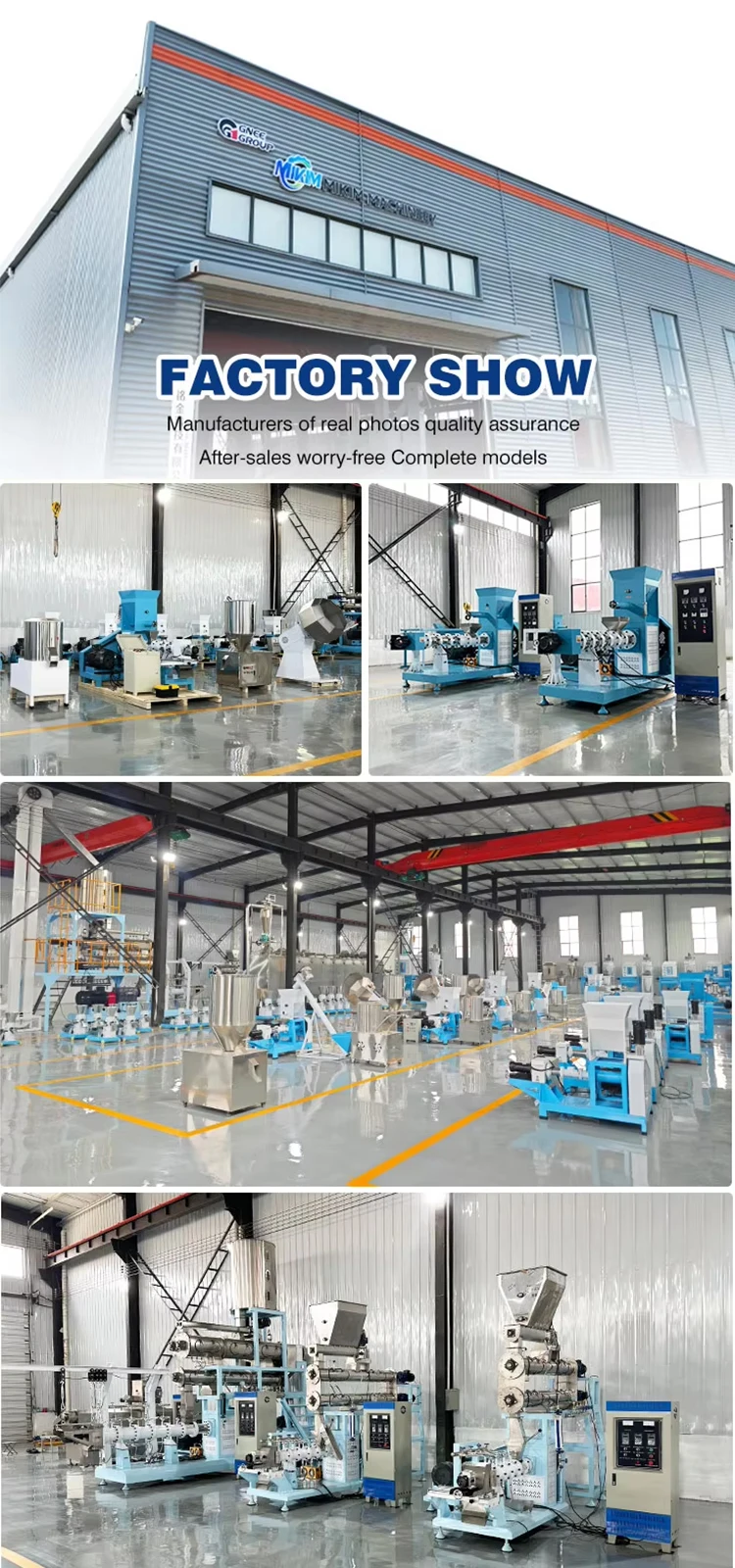
- This testing process demonstrates real factory operation conditions, ensuring transparency and reliability before shipment.
▶️ 330–400kg/h floating fish food extruder Testing Video
"This video shows the real testing process of a 330–400kg/h floating fish feed machine, including raw material feeding, extrusion process, pellet formation, and continuous production output."
What is a 330–400kg/h Floating Fish Feed Machine?
A 330–400kg/h fish feed pellet making machine is a small to medium-scale fish feed extruder designed to produce floating pellets for aquaculture such as tilapia, catfish, and carp farming. It processes raw materials under high temperature and pressure to create expanded, digestible feed pellets.
How Does It Work?
Step 1: Raw Material Feeding
Ingredients such as corn flour, soybean meal, and fish meal are mixed and fed into the hopper.
Step 2: High-Temperature Extrusion
Inside the barrel, materials are cooked under high temperature and pressure to gelatinize starch.
Step 3: Pellet Formation
The extruded material is shaped into pellets through the die system.
Step 4: Floating Expansion
The pellets expand due to pressure release, forming a porous structure that allows them to float on water.
Key Performance Data
- Output Capacity: 330–400kg/h
- Power Consumption: 18–22kW
- Pellet Size: 1–5mm adjustable
- Floating Rate: ≥90%
- Operation Mode: Continuous production
🧪 What You Can Observe in the Testing Video
🔹 Stable Feeding System
Raw materials enter smoothly without clogging or interruption.
🔹 Continuous Extrusion
The machine operates steadily with no fluctuation in output.
🔹 Pellet Formation Quality
Pellets are uniform in size, smooth in surface, and well-shaped.
🔹 Floating Performance
Finished pellets float steadily on water, meeting aquaculture standards.
⚙️ Step-by-Step Testing Process Before Shipment
Step 1: Raw Material Preparation
Common materials include:
Corn flour
Soybean meal
Fish meal
Moisture is controlled at approximately 20–25% for optimal extrusion performance.
Step 2: Machine Inspection
Before testing, engineers check:
Motor and electrical system
Screw and barrel condition
Die and cutting system
Temperature control system
Step 3: Continuous Running Test
The machine is operated continuously to verify:
Real output (330–400kg/h)
Stability of operation
Energy consumption level
Feeding consistency
Step 4: Pellet Quality Evaluation
Final pellets are tested for:
Floating ability
Hardness and durability
Expansion ratio
Size consistency
📊 Real Testing Data
| Parameter | Value |
|---|---|
| Production Capacity | 330–400kg/h |
| Power | 18–22kW |
| Pellet Size | 1–5mm |
| Floating Rate | ≥90% |
| Operation Type | Continuous running |
All data is collected from real factory testing conditions.
⚠️ Common Issues Found During Testing & Solutions
| Problem | Cause | Solution |
|---|---|---|
| Low output | Uneven feeding | Adjust feeder speed |
| Pellets sink | Low starch content | Optimize formula |
| Machine vibration | Loose installation | Tighten base structure |
| Uneven pellet size | Improper cutting system | Adjust die and cutter |
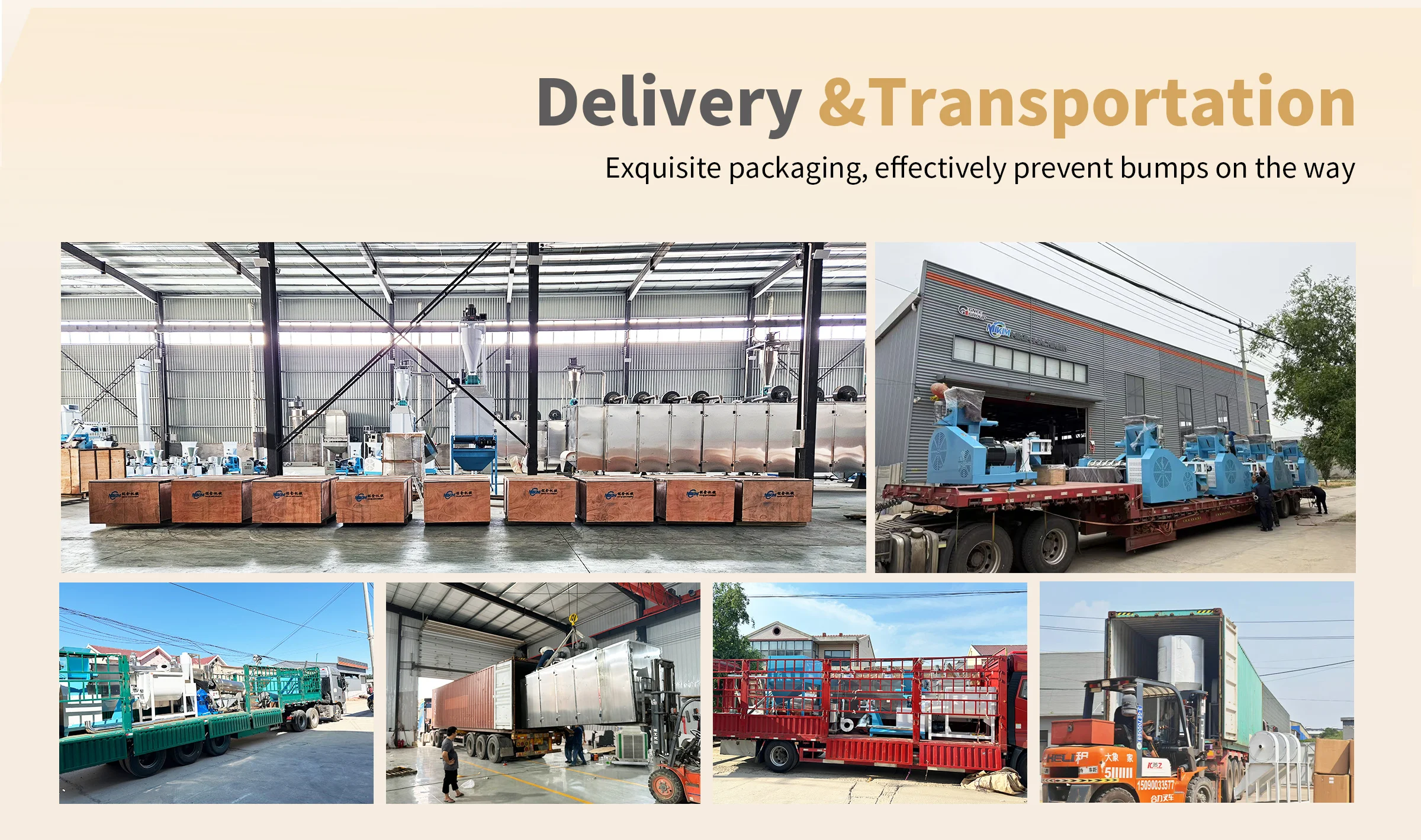
Identifying and solving these issues before shipment ensures stable operation after installation.
👀 How to Evaluate a small fish feed pellet maker machine Testing Video?
When watching a testing video, focus on:
- Whether the machine runs continuously
- Whether output is stable and consistent
- Whether pellets are uniform in size and shape
- Whether there is abnormal noise or vibration
👉 A real testing video should show complete continuous production, not edited or shortened clips.
🎯 Who Is This 330–400kg/h small floating fish feed pellet mill Suitable For?
This machine is ideal for:
- Small to medium fish farms
- Aquaculture startups
- Local feed production businesses
- Farmers producing their own fish feed
👉 It is especially suitable for users upgrading from small-scale to commercial production level.
🌍 Application Scenarios
The 330–400kg/h small floating fish feed pellet maker machine is widely used in:
- Tilapia farming
- Catfish aquaculture
- Carp and freshwater fish production
- Local fish feed supply chains
❓ FAQ
Is 330–400kg/h real production capacity?
Yes. The output is verified through real factory testing under standard operating conditions.
Can this machine produce sinking feed?
Yes. By adjusting formulation and processing parameters, both floating and sinking feed can be produced.
What raw materials are suitable?
Corn flour, soybean meal, fish meal, wheat flour, rice bran, and feed additives.
Can the machine run continuously?
Yes. It is designed for stable long-term continuous production.
🚀 Conclusion: Why Testing Before Shipment Matters
A machine testing video is not just a demonstration-it is proof of performance and reliability.
It helps buyers:
- Verify real production capacity
- Evaluate pellet quality
- Reduce investment risk
- Ensure stable operation after installation
👉 A tested machine means faster setup, lower risk, and immediate production readiness.
📩 Call to Action
Looking for a reliable 330–400kg/h small floating fish food pellet making machine?
👉 Contact us today to get:
Real factory testing videos
Detailed technical specifications
Customized production solutions
Latest price and delivery time
Start your fish feed production with confidence and proven performance.
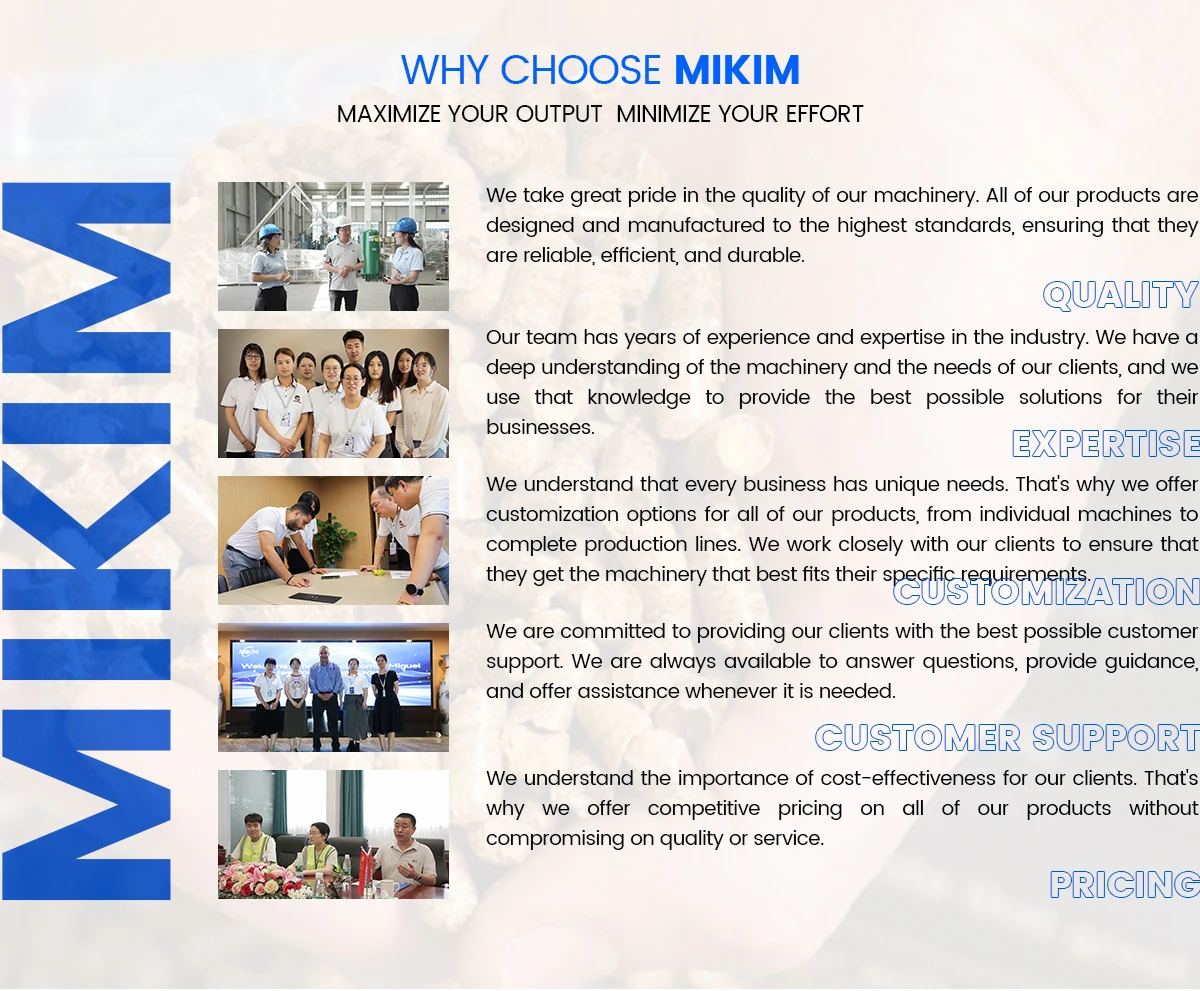
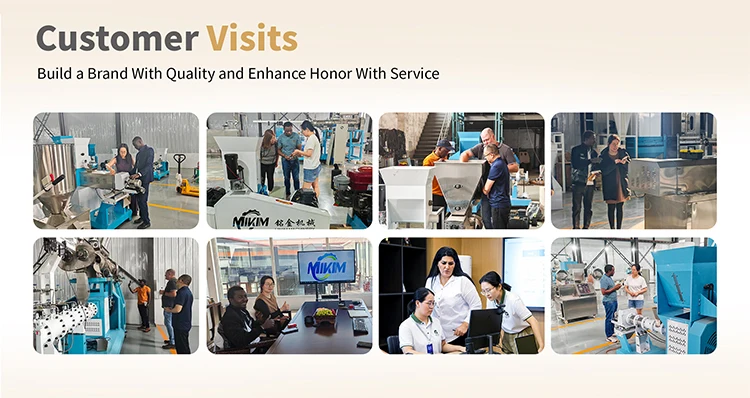
Company Profile