
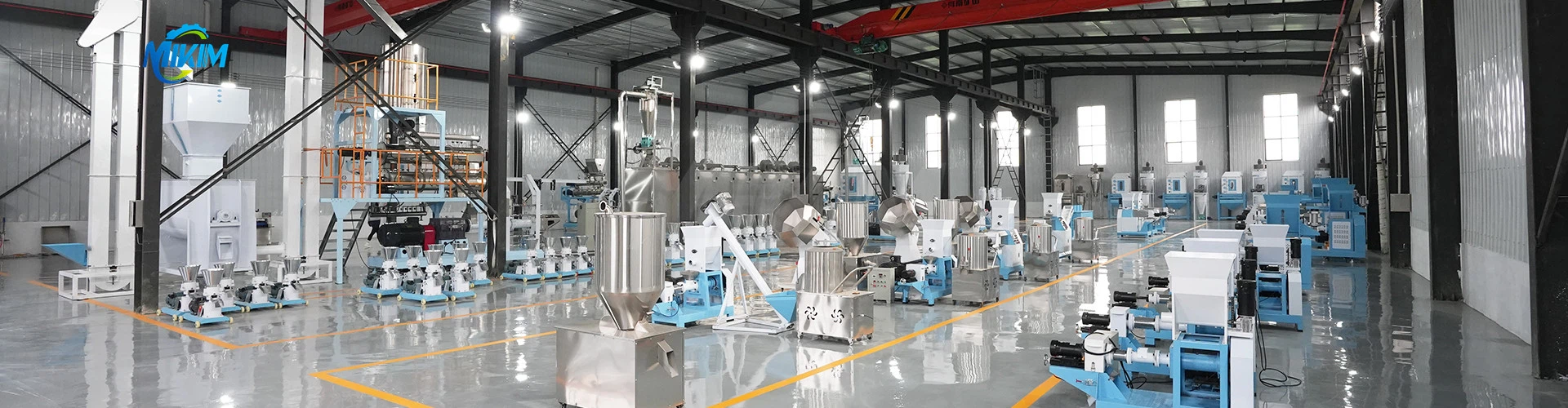
Appearance defects include cracks, pores and irregular shapes on the surface of the pellets. These are usually caused by improper temperature control during drying and cooling. To improve this situation, it is necessary to accurately control the temperature curve of the drying and cooling process to avoid excessive temperature fluctuations. In addition, it is also very important to regularly inspect and maintain the equipment to ensure that it is in the best working condition.
The high dust content of pellets not only affects the working environment, but may also pose a threat to human health. This problem is usually related to the pretreatment and cleanliness of the raw materials. In order to reduce the dust content, the raw materials need to be fully cleaned and screened before entering the production line to remove impurities and dust. At the same time, strengthen the operating efficiency of dust removal facilities in the production process to ensure the normal operation of the air purification system.

| Model | Capacity(t/h) | Power(kw) | Screw Diameter(mm) | Weight |
| 75-B | 0.3-0.4 | 22 | 80 | 1000 |
| 85-B | 0.5-0.6 | 30 | 90 | 2000 |
| 90-B | 0.6-0.7 | 37 | 100 | 2100 |
| 100-B | 0.7-0.8 | 55 | 120 | 2200 |
| 135-B | 1-1.5 | 75 | 135 | 3200 |
| 145-B | 2-3 | 90 | 145 | 4000 |
| 160-B | 3-4 | 110 | 160 | 4500 |
| 175-B | 4-5 | 132 | 175 | 5000 |
The quality problems in pellet production are multifaceted, and the solutions also need to be considered comprehensively. From the selection of raw materials to the maintenance of production equipment, to the control of the production process, every link may affect the quality of the final product. Therefore, only by formulating strict quality control standards and processes and continuously optimizing production processes and equipment can we effectively reduce the occurrence of quality problems and ensure the high quality standards of products.