
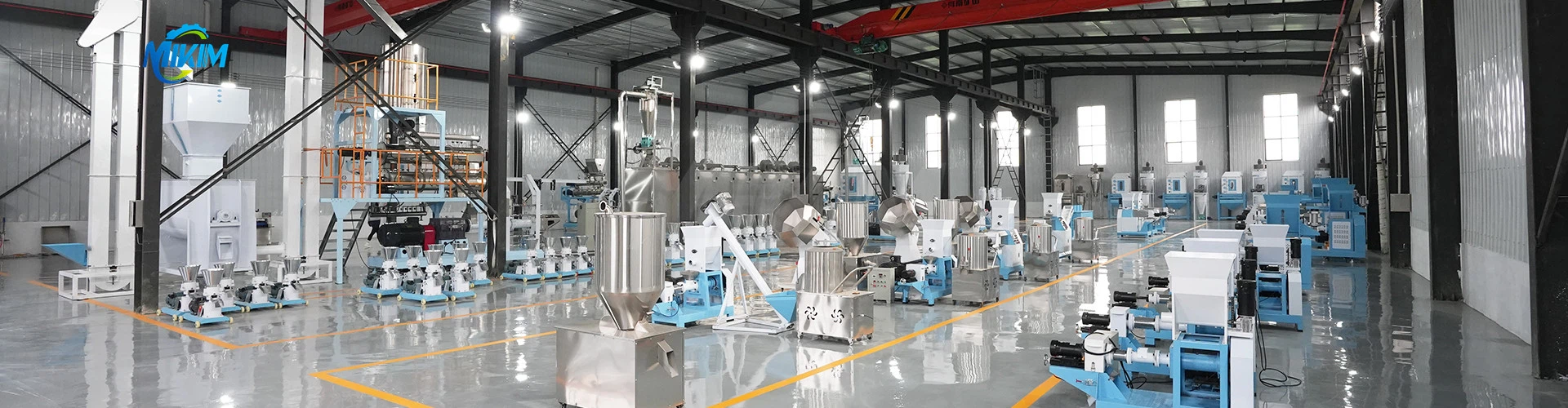
The functions of feed mixer are as follows:
- Improve the nutritional value of feed. Different raw materials have different nutritional components. By mixing, various nutrients in the feed can be balanced to meet the growth needs of animals. For example, corn and soybean meal are commonly used feed raw materials. Corn is rich in carbohydrates and soybean meal is rich in protein. After mixing them in a certain proportion, they can provide the energy and nitrogen source required by animals.
- Improve the utilization rate of feed. Mixed feed can reduce the interaction between raw materials, avoid the loss or inhibition of nutrients, and improve the digestion and absorption rate of feed. For example, plant raw materials contain anti-nutritional factors such as phytic acid and tannin, which will affect the utilization of minerals and proteins. By adding some enzyme preparations or salts and other additives, the activity of these factors can be reduced and the content of effective ingredients in feed can be increased.

| Model | Capacity | Power | Dimension | Weight |
| 125 | 80-100kg/h | 3kw | 110*35*70 cm | 95 kg |
| 150 | 120-150kg/h | 4kw | 115*35*80cm | 100 kg |
| 210 | 200-300kg/h | 7.5kw | 115*45*95cm | 300 kg |
| 260 | 500-600kg/h | 15kw | 138*46*100cm | 350 kg |
| 300 | 700-800kg/h | 22kw | 130*53*105cm | 600 kg |
| 360 | 900-1000kg/h | 22kw | 160*67*150cm | 800 kg |
| 400 | 1200-1500kg/h | 30kw | 160*68*145cm | 1200 kg |
- Improve the quality of feed. Mixed feed can improve the physical properties of feed, such as particle size, fluidity, uniformity, etc., and improve the processing performance and storage stability of feed. For example, powdered raw materials are prone to agglomeration, flying, stratification, etc., which affect the transportation and distribution of feed. By adding some auxiliary materials such as adhesives or lubricants, the molding and storage resistance of feed can be increased.
- Improve the palatability of feed. Mixed feed can adjust the taste, color, smell, etc. of feed, and increase the animal's preference for feed and feed intake. For example, some raw materials themselves have undesirable flavors such as bitterness, odor, and spiciness. By adding some sweeteners, flavoring agents, flavoring agents and other flavors and spices, these flavors can be masked or improved to increase the attractiveness of feed.