
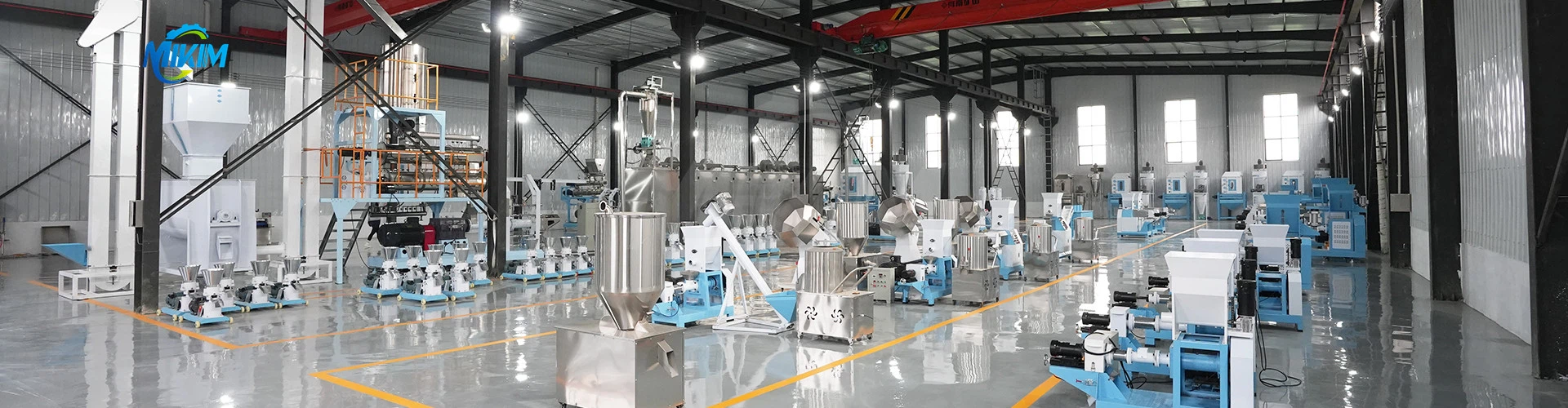
Transforming Biomass: The Power of the Briquette Machine
Biomass, derived from organic materials such as agricultural waste, forestry residues, or dedicated energy crops, has emerged as a promising renewable energy source. With the growing concerns over climate change and the need to transition towards cleaner and sustainable energy alternatives, biomass has gained significant attention. However, the efficient conversion of biomass into a usable form has been a challenge due to its low energy density and bulky nature. In recent years, the emergence of briquette machines has revolutionized the biomass industry by providing a powerful and efficient solution for transforming biomass into high-density and energy-rich briquettes.
Briquette machines are specially designed to convert biomass materials into compact and uniform briquettes. The process involves compressing biomass under high pressure, often with the addition of binders, to form briquettes of consistent shape and size. This transformation increases the energy density of biomass, making it easier to handle, transport, and utilize effectively as a renewable fuel source.
One of the primary advantages of briquette machines is their ability to transform biomass waste into a valuable resource. Biomass residues, such as sawdust, wood chips, agricultural residues, or even urban organic waste, can be effectively processed using briquette machines. Instead of being disposed of or left unused, these biomass materials can be compressed and converted into briquettes, unlocking their energy potential and reducing waste. This transformation not only helps address waste management challenges but also promotes a more sustainable approach to biomass utilization.
The utilization of briquette machines offers several key benefits in terms of biomass energy production. Firstly, briquettes have a significantly higher energy density compared to their raw biomass counterparts. The compression process increases the density of biomass, resulting in a concentrated and energy-rich fuel source. This high energy density makes briquettes more cost-effective to transport and store, as smaller volumes are required. Additionally, the consistent shape and size of the briquettes allow for automated feeding systems, enhancing the efficiency and reliability of biomass fuel applications.
Moreover, the production and utilization of biomass briquettes have positive environmental implications. Biomass is considered a carbon-neutral energy source since the carbon dioxide released during combustion is offset by the carbon absorbed during the biomass growth. By replacing fossil fuels with biomass briquettes, the net carbon emissions are reduced, contributing to climate change mitigation efforts. Additionally, the utilization of biomass waste materials in briquette production helps divert organic waste from landfills, reducing methane emissions and promoting sustainable waste management practices.
Another significant advantage of briquette machines is their versatility in terms of feedstock utilization. Briquette machines can process a wide range of biomass materials, including agricultural residues, wood waste, straw, husks, and even energy crops like switchgrass or miscanthus. This versatility allows for the utilization of various biomass feedstocks, making it easier to adapt to regional biomass resources and specific energy needs. By maximizing the utilization of diverse feedstocks, briquette machines contribute to the development of local economies, reduce dependence on imported fossil fuels, and promote energy self-sufficiency.
The adoption of briquette machines has gained momentum globally, driven by the increasing recognition of biomass as a sustainable energy source. Governments, industries, and individuals are embracing the power of briquette machines as a solution to transform biomass waste into valuable fuel. Supportive policies, incentives, and investments in research and development have further accelerated the deployment of briquette machines, promoting the sustainable use of biomass for energy production.
In conclusion, briquette machines are playing a crucial role in transforming biomass and harnessing its energy potential. By compressing biomass waste into dense and energy-rich briquettes, these machines address the challenges of low energy density and bulky biomass. The utilization of briquettes as a renewable fuel source offers numerous benefits, including higher energy density, efficient transportation and storage, carbon neutrality, and sustainable waste management. With their versatility and positive environmental impact, briquette machines are driving the transformation of biomass into a cleaner and more sustainable energy source, contributing to a greener future.
