
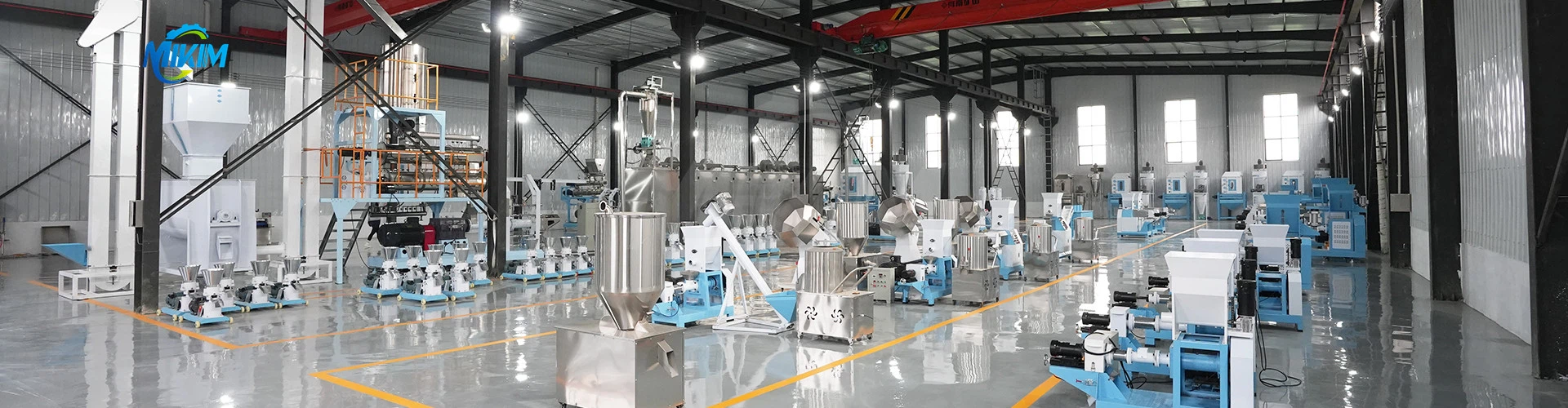
Sustainable Animal Feed Pelletizer Reduces Environmental Footprint in Agriculture
Introduction:
The agricultural industry is increasingly embracing sustainable practices to reduce its environmental impact. One such practice gaining traction is the use of a sustainable animal feed pelletizer. This innovative technology offers significant benefits by minimizing the environmental footprint of livestock farming. By optimizing feed production processes, reducing resource consumption, and promoting waste reduction, the sustainable animal feed pelletizer is revolutionizing agriculture. This article explores the various ways in which this technology helps to create a more sustainable and eco-friendly farming system.
Efficient Resource Utilization:
One of the primary ways in which the sustainable animal feed pelletizer reduces the environmental footprint in agriculture is through efficient resource utilization. The machine is designed to process a variety of feed ingredients, including agricultural by-products and residues that would otherwise go to waste. This utilization of otherwise underutilized materials helps to reduce the demand for primary resources, such as grains and forage, which often require extensive land and water usage for cultivation. By turning these by-products into high-quality pellets, the feed pelletizer maximizes resource efficiency and minimizes waste.
Reduced Water Consumption:
Water scarcity is a pressing global concern, and agriculture is a significant consumer of water resources. The sustainable animal feed pelletizer plays a role in reducing water consumption in livestock farming. The pelletizing process requires less water compared to traditional feed processing methods. Moreover, by efficiently converting feed ingredients into nutrient-dense pellets, the pelletizer helps to enhance feed efficiency and reduce water usage in animal production. The optimized feed conversion ratios achieved with pelletized feed also result in reduced water requirements for livestock rearing, contributing to overall water conservation efforts in agriculture.
Minimized Greenhouse Gas Emissions:
Livestock farming is associated with substantial greenhouse gas emissions, contributing to climate change. However, the sustainable animal feed pelletizer helps to minimize these emissions. The pelletizing process subjects the feed ingredients to heat, which partially gelatinizes starches and breaks down anti-nutritional factors. This thermal treatment improves feed digestibility and nutrient absorption in animals, leading to reduced methane emissions from enteric fermentation. Furthermore, by optimizing feed conversion efficiency, the pelletizer reduces the overall methane production per unit of meat or milk, further mitigating greenhouse gas emissions in livestock farming.
Waste Reduction and Recycling:
The sustainable animal feed pelletizer promotes waste reduction and recycling in the agricultural sector. By processing agricultural by-products and residues, the pelletizer utilizes materials that would otherwise be discarded or left unused. This practice reduces the amount of organic waste generated on farms, minimizing the environmental impact associated with waste disposal. Additionally, the nutrient-rich pellets produced by the machine can be used as a valuable fertilizer source, contributing to soil health and reducing the reliance on synthetic fertilizers. This closed-loop system promotes resource conservation and circular economy principles.
Preservation of Biodiversity:
Livestock farming can have significant implications for biodiversity, particularly through habitat destruction and land-use changes. The sustainable animal feed pelletizer indirectly contributes to biodiversity preservation by reducing the land required for feed cultivation. By utilizing agricultural by-products and residues, the pelletizer reduces the need for additional land conversion for feed production. This practice helps to safeguard natural habitats, prevent deforestation, and protect biodiversity hotspots. By minimizing the environmental footprint of feed production, the pelletizer supports sustainable land management practices and helps preserve ecosystems and wildlife.
Conclusion:
The sustainable animal feed pelletizer represents a significant step forward in reducing the environmental footprint of agriculture. By promoting efficient resource utilization, reducing water consumption, minimizing greenhouse gas emissions, encouraging waste reduction and recycling, and supporting biodiversity preservation, this technology is transforming livestock farming into a more sustainable and eco-friendly practice. As the demand for sustainable agricultural solutions continues to grow, the adoption of the sustainable animal feed pelletizer is poised to play a vital role in achieving a more sustainable future for agriculture, where productivity and profitability go hand in hand with environmental stewardship.
