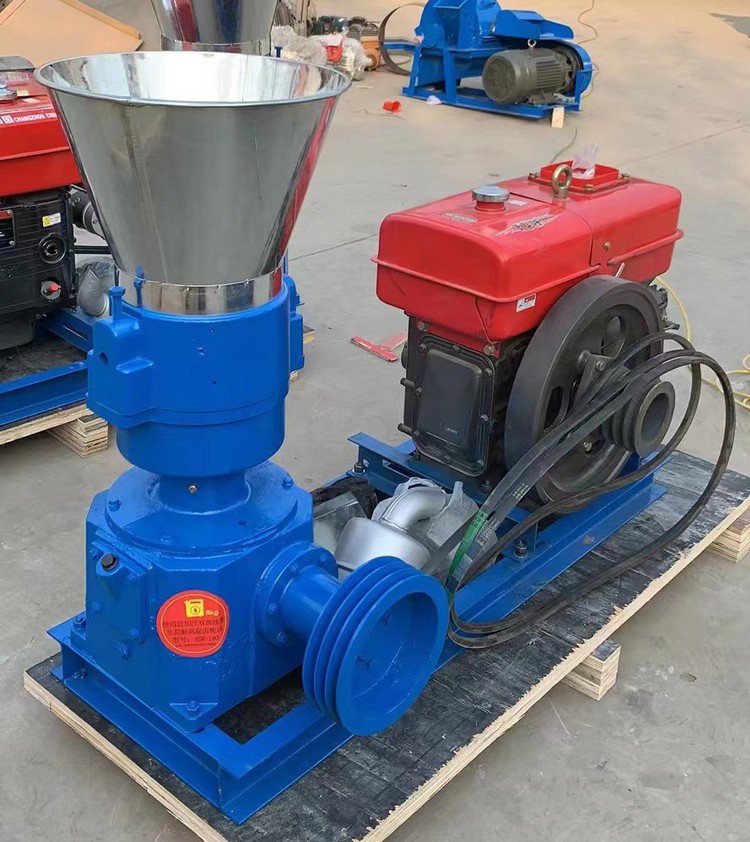
Advanced Animal Feed Pelletizer Improves Feed Quality and Digestibility
Introduction:
In the realm of livestock farming, achieving optimal feed quality and digestibility is crucial for the health and performance of animals. With the advent of advanced animal feed pelletizers, farmers now have access to a technology that significantly enhances these key factors. The utilization of an advanced animal feed pelletizer has revolutionized the way feed is processed, resulting in improved feed quality, enhanced nutrient availability, and increased digestibility. This article delves into the various ways in which this cutting-edge technology benefits the livestock industry by improving feed quality and digestibility.
Precise Ingredient Mixing and Formulation:
One of the primary advantages of the advanced animal feed pelletizer is its ability to ensure precise ingredient mixing and formulation. The machine offers an automated process that enables farmers to accurately measure and combine various feed ingredients, including grains, proteins, forage, and supplements. This precision eliminates inconsistencies in feed composition and ensures a well-balanced diet for the animals. The uniformity of the pelletizer's mixing process leads to a homogenous feed mixture, preventing selective feeding and promoting even nutrient distribution in each pellet.
Enhanced Nutrient Availability:
The advanced animal feed pelletizer plays a pivotal role in maximizing nutrient availability within the feed. The pelletizing process involves subjecting the ingredients to high pressure and temperature, which partially gelatinizes starches and breaks down anti-nutritional factors. This treatment increases the digestibility of carbohydrates, proteins, and fats, making the nutrients more easily absorbed by the animals' digestive systems. The advanced pelletizer's ability to optimize nutrient availability results in improved feed utilization, allowing animals to obtain a greater proportion of the essential nutrients present in the feed.
Improved Feed Conversion Ratios:
Achieving efficient feed conversion is a key objective for livestock farmers. The advanced animal feed pelletizer significantly contributes to this goal by improving feed conversion ratios. The uniform size and composition of the pellets enable animals to consume the feed more evenly, reducing selective eating and wastage. The enhanced nutrient availability and balanced diet provided by the pellets result in higher nutrient uptake, allowing animals to convert feed into weight gain or milk production more efficiently. As a result, farmers can achieve better feed conversion ratios, maximizing the productivity and profitability of their livestock operations.
Reduction of Anti-Nutritional Factors:
Raw feed ingredients, such as grains and oilseeds, often contain anti-nutritional factors that can hinder nutrient absorption and animal health. The advanced animal feed pelletizer helps alleviate this issue through its processing techniques. The combination of heat and pressure during pelletization breaks down or deactivates many of these anti-nutritional factors, such as enzyme inhibitors, phytates, and tannins. By reducing the presence of these substances, the pelletizer improves feed quality and minimizes their negative impact on nutrient utilization. This ensures that animals can derive maximum benefit from the nutrients in the feed, leading to better overall health and performance.
Controlled Particle Size and Texture:
The advanced animal feed pelletizer allows for precise control over the particle size and texture of the pellets produced. This control is crucial for optimizing feed quality and digestibility. The machine can produce pellets of consistent size, which ensures uniformity in the animals' consumption and digestion processes. Moreover, the pelletizer can adjust the texture of the pellets to meet the specific needs of different animal species and life stages. For example, young animals may require softer pellets, while adult animals may benefit from harder pellets. This customization enhances palatability and promotes efficient chewing and digestion.
Enhanced Feed Hygiene and Safety:
Feed hygiene and safety are critical considerations in livestock farming. The advanced animal feed pelletizer addresses these concerns by improving feed hygiene throughout the processing cycle. The heat and pressure applied during pelletization help eliminate or reduce the microbial load in the feed, improving its safety for consumption. Additionally, the pelletizer's closed system minimizes the risk of external contamination during processing, storage, and transportation. These features contribute to maintaining high feed hygiene standards and reducing the potential for disease transmission, ultimately safeguarding animal health and welfare.
Conclusion:
The advent of advanced animal feed pelletizers has revolutionized the livestock industry by improving feed quality and digestibility. Through precise ingredient mixing and formulation, enhanced nutrient availability, improved feed conversion ratios, reduction of anti-nutritional factors, controlled particle size and texture, and enhanced feed hygiene and safety, this technology ensures that animals receive a well-balanced, easily digestible, and nutritionally optimized diet. The adoption of advanced animal feed pelletizers empowers farmers to maximize the health, productivity, and profitability of their livestock while promoting sustainable and efficient farming practices.