
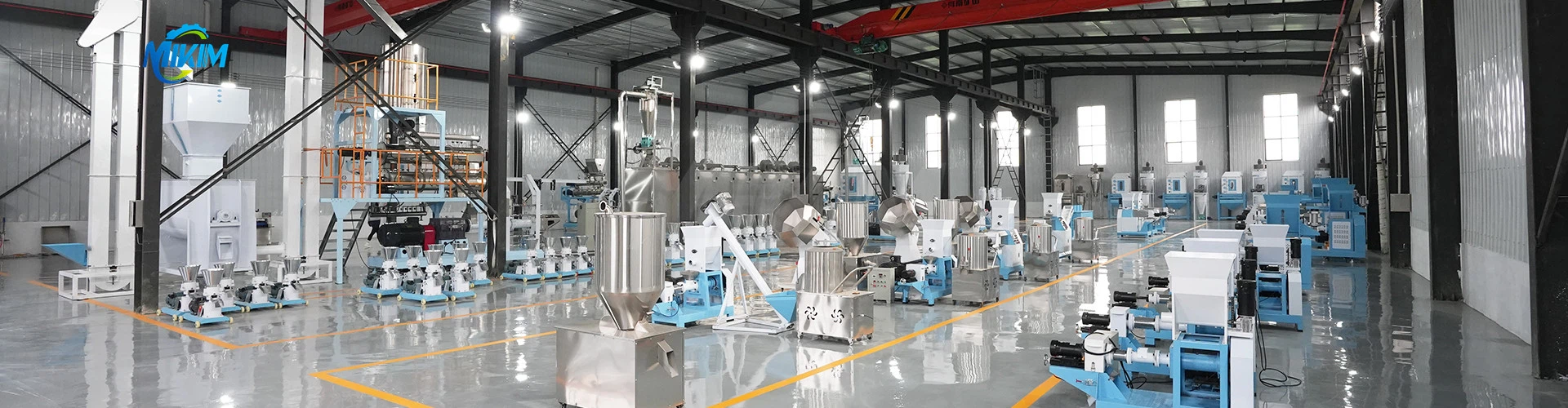
Streamline Your Feed Manufacturing Process: Unleash the Potential of the Animal Pellet Machine
Efficient feed manufacturing is essential for the success of the animal agriculture industry. The ability to produce high-quality feed in a timely and cost-effective manner directly impacts animal health, growth, and overall performance. In recent years, the animal pellet machine has emerged as a powerful tool that streamlines the feed manufacturing process, offering numerous advantages to feed producers. By unleashing the potential of the animal pellet machine, manufacturers can achieve greater efficiency, consistency, and profitability.
The animal pellet machine, also known as a pellet mill, is a versatile piece of equipment designed to transform raw materials into compact and uniform feed pellets. This innovative technology has revolutionized the way animal feed is manufactured, making it an indispensable tool in the feed production industry. The machine operates through a process called pelletization, where the raw materials, such as grains, oilseeds, legumes, and by-products, are compressed and shaped into pellets under high pressure and heat.
One of the primary benefits of utilizing an animal pellet machine is the significant improvement in manufacturing efficiency. The machine's automated operation allows for continuous pellet production, reducing downtime and increasing overall productivity. With the ability to process large quantities of raw materials, feed manufacturers can meet the growing demand for animal feed more effectively and efficiently.
Moreover, the animal pellet machine ensures consistent pellet quality, size, and shape. This uniformity is critical in achieving accurate feed distribution and optimal animal consumption. Animals can easily digest and absorb the nutrients from the pellets, leading to improved feed conversion ratios and enhanced growth and performance. The machine's ability to produce pellets of uniform size and shape also facilitates precise feeding and minimizes feed wastage, resulting in cost savings for feed manufacturers.
In addition to efficiency, the animal pellet machine offers enhanced control and flexibility in feed formulations. Feed manufacturers can easily adjust the ingredients and nutrient composition of the pellets to meet specific nutritional requirements for different animal species, growth stages, or production goals. This versatility allows for optimal nutrition and ensures that animals receive a well-balanced diet tailored to their specific needs. The ability to customize feed formulations is particularly valuable when targeting specific nutritional deficiencies or optimizing performance in certain livestock or poultry sectors.
Furthermore, the animal pellet machine promotes sustainability in feed production. By utilizing a wide range of raw materials, including agricultural by-products and alternative feed ingredients, the machine reduces waste and maximizes resource utilization. This not only contributes to the efficient use of available resources but also reduces the environmental impact associated with traditional feed production. The pelletization process also improves feed safety by effectively reducing the presence of anti-nutritional factors, pathogens, and contaminants, ensuring the delivery of clean and safe feed to animals.
The animal pellet machine also plays a crucial role in the standardization of feed production. With its automated operation, manufacturers can ensure consistent pellet quality and nutrient composition, reducing variations between batches. This standardization is essential for maintaining animal health and achieving predictable performance outcomes. Additionally, the machine's ability to precisely control pellet density allows for the production of specialized pellets for specific animal needs, such as high-density starter feeds for young animals or low-density feeds for animals with compromised digestive systems.
Another advantage of the animal pellet machine is its contribution to feed preservation. The compression process increases the density of the pellets, reducing their susceptibility to spoilage and extending their shelf life. This enables feed manufacturers to store pellets for longer periods without compromising quality or nutritional value. Additionally, the compact nature of pellets facilitates easier handling, storage, and transportation, reducing the need for additional storage space and improving logistical efficiency.
To fully unleash the potential of the animal pellet machine, feed manufacturers must prioritize proper maintenance and operation. Regular inspection and cleaning of the machine's components, such as the die and rollers, ensure optimal pellet quality and minimize the risk of breakdowns. Adequate lubrication and adjustment of machine settings also contribute to its smooth operation and longevity.
In conclusion, the animal pellet machine is a game-changer in the feed manufacturing process. Its ability to streamline production, ensure consistency, offer flexibility in feed formulations, and contribute to sustainability and feed preservation make it an invaluable asset for feed producers. By harnessing the potential of the animal pellet machine, manufacturers can achieve greater efficiency, profitability, and customer satisfaction while meeting the nutritional needs of animals and supporting their health and performance.
