
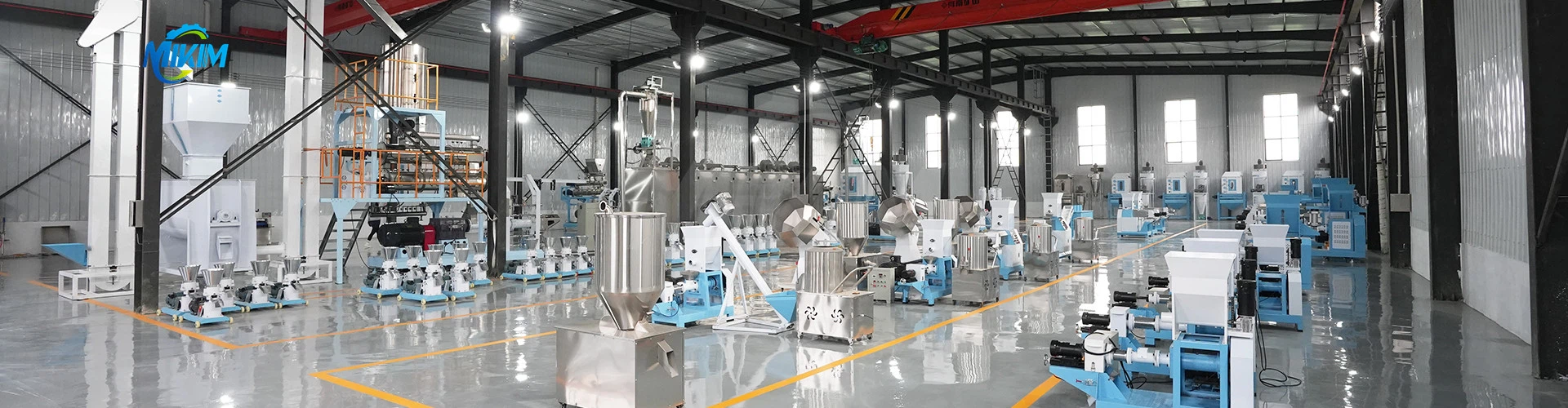
Maximize Animal Health and Performance: Harness the Potential of the Animal Pellet Machine
In the world of animal farming and husbandry, ensuring the health and performance of animals is of utmost importance. A key factor in achieving this is the provision of a balanced and nutrient-rich diet. This is where the animal pellet machine, also known as a pellet mill, comes into play. This innovative technology has the potential to revolutionize animal feed production and maximize the health and performance of livestock, poultry, and aquaculture.
The animal pellet machine is designed to transform raw materials into high-quality feed pellets that meet the specific nutritional requirements of different animal species. This process involves compressing and shaping the raw materials, which can include grains, oilseeds, legumes, and other agricultural by-products, into compact pellets. The machine's operation is automated and efficient, ensuring uniformity in pellet size, shape, and nutrient composition.
One of the primary benefits of using an animal pellet machine is its ability to enhance animal health. The pelletizing process involves heat and pressure, which effectively reduces the presence of anti-nutritional factors in the raw materials. These anti-nutritional factors, such as enzyme inhibitors and toxins, can hinder nutrient absorption and digestion in animals. By reducing their presence, the animal pellet machine improves nutrient bioavailability, allowing animals to derive maximum nutritional benefits from the feed.
Moreover, the animal pellet machine plays a crucial role in optimizing animal performance. The compressed pellets have a higher nutrient concentration compared to loose feed, ensuring animals receive a more concentrated and balanced diet. This leads to improved feed conversion ratios, where animals convert feed into body weight more efficiently. Enhanced feed conversion results in better growth rates, increased production efficiency, and improved profitability for farmers and producers.
The uniformity of the pellets produced by the animal pellet machine also contributes to animal performance. Animals are more likely to consume a consistent amount of feed when it is presented in the form of pellets. This consistent intake promotes optimal nutrient intake and reduces the risk of underfeeding or overfeeding. Additionally, the pellets' uniform size and shape facilitate easier ingestion and digestion, reducing feed wastage and maximizing nutrient utilization.
Furthermore, the animal pellet machine offers flexibility in feed formulations. Feed manufacturers can customize the pellet composition to meet specific nutritional requirements based on factors such as animal species, growth stages, and production goals. This allows for precise adjustments in nutrient levels, ensuring animals receive a well-balanced diet that supports their specific needs. Tailoring the feed to meet individual requirements can lead to enhanced immune function, improved reproduction rates, and overall better animal welfare.
The animal pellet machine also contributes to the overall safety and hygiene of animal feed. The heat treatment involved in the pelletizing process helps eliminate harmful microorganisms, reducing the risk of contamination and disease transmission. The pellets' compact form also minimizes the exposure of the feed to external contaminants, improving feed hygiene and ensuring the well-being of animals.
Efficiency is another significant advantage offered by the animal pellet machine. The automated operation streamlines the feed production process, allowing for continuous and consistent pellet production. This results in increased productivity and reduced labor requirements for feed mills. The machine's high throughput capacity ensures a steady supply of feed pellets, enabling farmers to meet the nutritional needs of their animals effectively.
The animal pellet machine also contributes to environmental sustainability. By compressing raw materials into pellets, the machine reduces the volume and bulkiness of the feed, making storage, transportation, and handling more efficient. This leads to reduced energy consumption and carbon emissions associated with feed production and distribution. Additionally, the use of agricultural by-products and alternative feed ingredients in pellet production promotes resource utilization and minimizes waste, contributing to a more sustainable feed industry.
It is important to note that the successful utilization of the animal pellet machine requires proper maintenance and monitoring. Regular inspection of the machine's components, such as the die and rollers, ensures optimal pellet quality and minimizes downtime. Quality control measures, including the selection of high-quality raw materials and adherence to feed safety standards, are essential to produce safe and nutritious feed pellets.
In conclusion, the animal pellet machine offers tremendous potential to maximize animal health and performance in the animal farming and husbandry industry. Its ability to enhance nutrient bioavailability, optimize feed conversion ratios, and provide customized feed formulations sets the stage for improved animal welfare and increased profitability. By harnessing the power of the animal pellet machine, farmers and producers can unlock the full potential of their animals and achieve sustainable and efficient feed production.
