
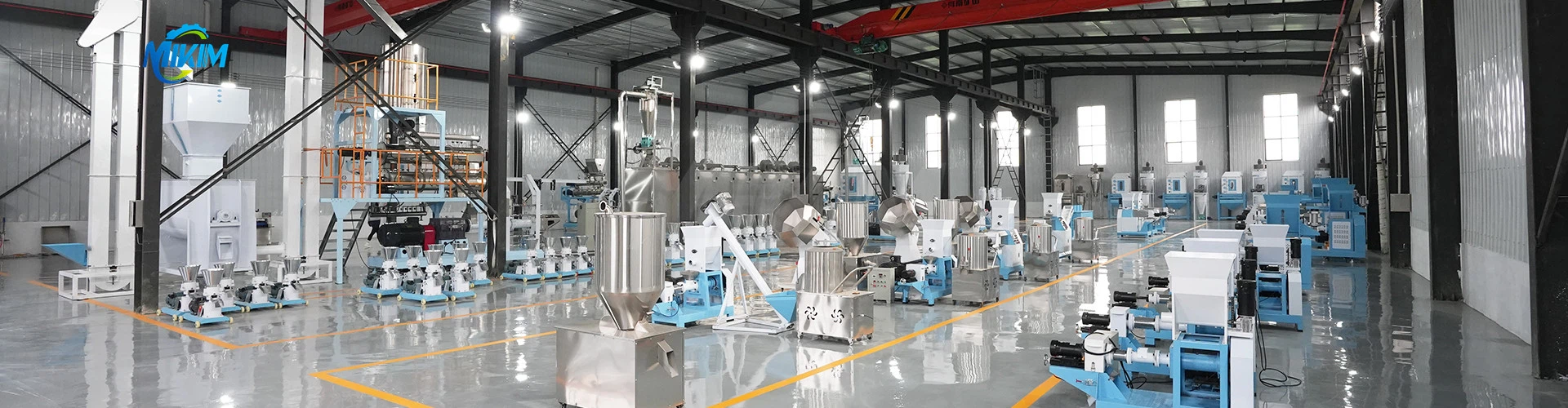
Smart Oil Pressers Incorporate AI Technology for Optimal Extraction Results
Artificial Intelligence (AI) has been revolutionizing various industries, and the oil extraction sector is no exception. With the introduction of smart oil pressers that incorporate AI technology, the industry has witnessed a significant leap forward in terms of optimal extraction results. These cutting-edge machines leverage the power of AI algorithms and advanced sensors to analyze data, make real-time adjustments, and optimize the extraction process, ultimately leading to enhanced efficiency and superior oil quality.
One of the key advantages of smart oil pressers is their ability to adapt and optimize extraction parameters based on real-time data analysis. These machines are equipped with advanced sensors that monitor various parameters, including temperature, pressure, moisture content, and oil flow rate. The data collected by these sensors is continuously analyzed by AI algorithms that can identify patterns and correlations. Based on this analysis, the AI algorithms make intelligent decisions and dynamically adjust the extraction parameters to optimize the yield and quality of the extracted oil.
The AI algorithms used in smart oil pressers are trained on vast amounts of data, including historical extraction data, sensor readings, and quality control metrics. This training enables the algorithms to learn and understand the complex relationships between different variables and extraction outcomes. As a result, the AI algorithms can accurately predict the optimal parameters for each specific oilseed or nut, taking into account factors such as seed variety, moisture content, and desired oil quality. This data-driven approach ensures consistent and reliable extraction results, regardless of batch variations.
Furthermore, smart oil pressers leverage AI technology to improve process control and automation. The AI algorithms monitor the extraction process in real-time, comparing the actual sensor readings with the desired targets. If any deviations are detected, the AI algorithms can make immediate adjustments to maintain optimal conditions. For example, if the temperature is slightly higher than the target range, the algorithms can automatically adjust the heating elements to bring it back within the desired range. This real-time process control minimizes the risk of errors and ensures that the extraction process operates at peak efficiency.
Another significant advantage of smart oil pressers is their ability to optimize the extraction process based on specific quality requirements. Different industries and applications demand oils with specific characteristics, such as flavor, color, aroma, or nutritional composition. Smart oil pressers can be programmed with quality preferences, and the AI algorithms can adjust the extraction parameters to achieve the desired oil quality. For instance, if a mild-flavored oil is required, the algorithms can fine-tune the extraction process to minimize the extraction of bitter compounds. This level of customization ensures that the extracted oils meet the precise requirements of various industries, enhancing their value and applicability.
Moreover, smart oil pressers facilitate predictive maintenance and fault detection. The AI algorithms continuously analyze sensor data to identify any anomalies or potential issues in the machine's performance. This proactive approach enables operators to detect and address problems before they escalate into major breakdowns or disruptions. By predicting maintenance needs, smart oil pressers reduce downtime, minimize the risk of costly repairs, and optimize overall equipment efficiency.
In addition to the extraction process itself, smart oil pressers offer valuable insights and data analytics capabilities. The AI algorithms can generate comprehensive reports and visualizations based on the collected data, providing operators with valuable information about extraction performance, trends, and efficiency. These insights empower operators to identify areas for improvement, optimize operational strategies, and make data-driven decisions to enhance overall productivity and profitability.
Furthermore, smart oil pressers can be integrated into broader smart factory systems, enabling seamless connectivity and interoperability with other equipment and systems. This integration allows for data exchange and coordination across different processes, optimizing the overall production workflow. For example, the AI algorithms in the oil presser can communicate with upstream processes, such as seed sorting or cleaning systems, to ensure a smooth transition and streamline the overall extraction process. This interconnectedness enhances operational efficiency and enables the oil extraction industry to move towards a more intelligent and automated production environment.
In conclusion, the incorporation of AI technology in smart oil pressers has revolutionized the oil extraction process, leading to optimal extraction results. These machines leverage AI algorithms, advanced sensors, and real-time data analysis to adapt and optimize extraction parameters. The result is enhanced efficiency, superior oil quality, and increased customization to meet specific industry requirements. The predictive maintenance capabilities, data analytics, and integration possibilities further contribute to operational efficiency and productivity. With smart oil pressers, oil producers can unlock the full potential of their extraction processes, leading to improved profitability and a competitive edge in the market.