
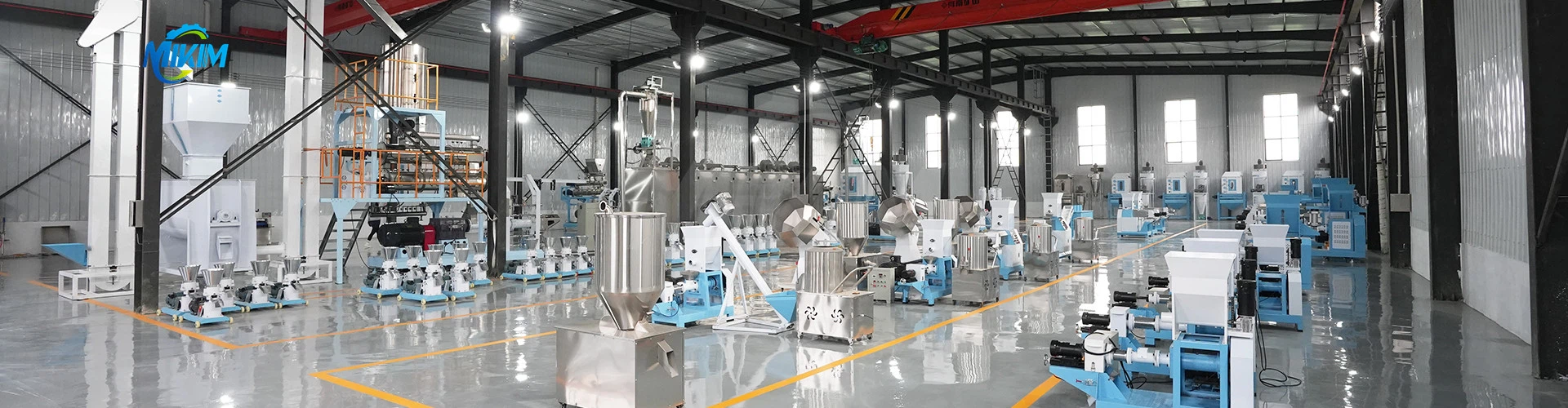
Revolutionizing Aquaculture: Floating Feed Extruder Boosts Fish Farming Efficiency
Aquaculture, the farming of aquatic organisms such as fish, mollusks, and crustaceans, plays a crucial role in meeting the ever-growing global demand for seafood. With the world population on the rise and wild fish stocks depleting, aquaculture has emerged as a sustainable solution to ensure a steady supply of fish. However, the industry faces numerous challenges, including optimizing feed production and reducing environmental impact. Enter the floating feed extruder, a technological breakthrough that is revolutionizing aquaculture by enhancing fish farming efficiency.
Traditionally, fish feed production involved manual labor and a complex manufacturing process. The ingredients needed for fish feed, including protein-rich sources like fishmeal and plant-based components, had to be carefully measured and mixed. The mixture was then ground, cooked, and shaped into pellets before being dried and packaged. This entire process required significant time, labor, and energy consumption.
The advent of the floating feed extruder has transformed fish feed production, making it more efficient and cost-effective. This innovative machine combines the functions of grinding, mixing, extruding, and shaping all in one automated process. It eliminates the need for manual labor and streamlines the production flow, resulting in higher productivity and reduced operational costs.
One of the key advantages of the floating feed extruder is its ability to produce floating pellets. Floating feed is particularly beneficial for species like tilapia, carp, and catfish, which are surface feeders. These pellets remain buoyant in water, enabling fish to easily spot and consume them. In contrast, sinking pellets may go unnoticed or be consumed by bottom-dwelling organisms, leading to wastage and inefficient feeding.
The floating feed extruder also offers precise control over pellet size, shape, and density. This customization ensures that the feed meets the specific nutritional requirements of different fish species at various growth stages. By optimizing the feed formulation, farmers can enhance fish growth, health, and overall productivity.
Furthermore, the floating feed extruder enables the inclusion of a wide range of ingredients in fish feed formulations. Fishmeal, which has traditionally been a primary protein source, is becoming increasingly scarce and expensive. The floating feed extruder allows for the utilization of alternative protein sources such as soybean meal, corn gluten meal, and even insect-based ingredients. This versatility not only reduces the dependence on fishmeal but also promotes a more sustainable and environmentally friendly approach to fish farming.
In addition to its efficiency in feed production, the floating feed extruder also contributes to environmental sustainability. The machine operates with reduced energy consumption compared to traditional manufacturing methods. It also minimizes waste by optimizing ingredient utilization and reducing pellet breakage during production. As a result, farmers can achieve higher feed conversion rates, meaning that a greater proportion of the feed is efficiently converted into fish biomass, reducing the overall environmental impact of aquaculture.
Moreover, the floating feed extruder allows for better control over feed quality and safety. The automated process ensures consistent mixing and extrusion, resulting in uniform pellets with precise nutrient distribution. This reduces the risk of nutrient imbalances and associated health issues among the farmed fish. Additionally, the extrusion process effectively destroys harmful bacteria and parasites, enhancing the biosecurity of the feed and reducing the likelihood of disease outbreaks in aquaculture systems.
The adoption of floating feed extruders has been rapidly growing across the aquaculture industry, both in developed and developing countries. Small-scale farmers benefit from the cost savings and increased productivity, while large-scale operations achieve economies of scale and enhanced operational efficiency. Furthermore, the environmental advantages and improved feed conversion rates contribute to the overall sustainability and resilience of the aquaculture sector.
In conclusion, the floating feed extruder represents a groundbreaking innovation that is revolutionizing aquaculture. By streamlining feed production, optimizing feed formulations, and reducing environmental impact, this technology boosts fish farming efficiency. The ability to produce floating pellets, customize feed formulations, and utilize alternative protein sources contributes to the growth, health, and sustainability of farmed fish. As the demand for seafood continues to rise, the floating feed extruder plays a vital role in ensuring a secure and sustainable supply of fish to meet the needs of a growing global population.