
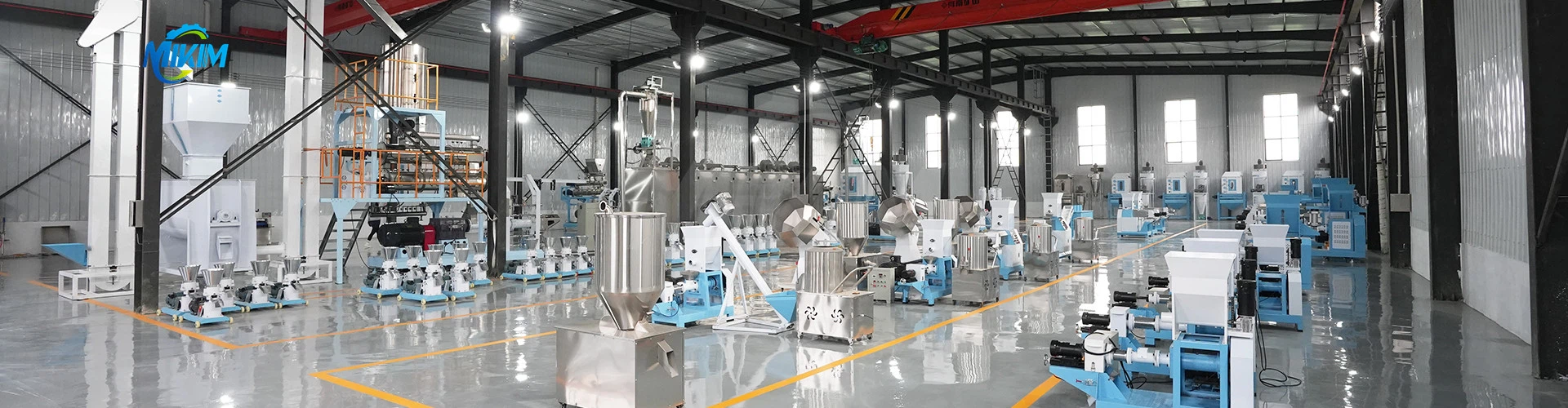
Cutting-edge Technology Takes to the Water: Floating Feed Extruder Enhances Feed Production
In the world of aquaculture, where the demand for seafood is steadily increasing, innovation plays a crucial role in optimizing efficiency and sustainability. One such cutting-edge technology making waves in the industry is the floating feed extruder. This revolutionary machine is transforming feed production, enhancing productivity, and paving the way for a more sustainable future.
Traditionally, fish feed production involved multiple steps, including ingredient measurement, grinding, mixing, pelletizing, drying, and packaging. These processes were often labor-intensive and time-consuming, leading to inefficiencies and increased costs. However, the floating feed extruder has changed the game by integrating these functions into a single automated system.
One of the primary advantages of the floating feed extruder is its ability to produce floating pellets. This is especially beneficial for species such as tilapia, catfish, and carp, which are surface feeders. Floating pellets remain buoyant on the water's surface, allowing fish to readily consume them. In contrast, sinking pellets may sink to the bottom or be consumed by bottom-dwelling organisms, resulting in wasted feed and reduced efficiency.
Moreover, the floating feed extruder offers precise control over the size, shape, and density of the pellets. This customization ensures that the feed meets the specific nutritional requirements of different fish species at various stages of growth. By tailoring the feed formulation, farmers can optimize fish growth, improve feed conversion rates, and minimize waste.
The floating feed extruder also enables the inclusion of a wide range of ingredients in feed formulations. Traditionally, fishmeal has been a primary protein source, but its availability and affordability are becoming increasingly limited. With the floating feed extruder, alternative protein sources such as soybean meal, corn gluten meal, and even insect-based ingredients can be incorporated. This flexibility not only reduces dependence on fishmeal but also promotes sustainable sourcing practices, contributing to the overall environmental footprint of aquaculture.
Another significant benefit of the floating feed extruder is its efficiency in feed production. The automated system streamlines the entire process, reducing manual labor and increasing productivity. The machine combines grinding, mixing, extrusion, and shaping into one continuous operation, minimizing downtime and maximizing output. This efficiency translates into cost savings for farmers and allows for scalability in large-scale operations.
Furthermore, the floating feed extruder enhances feed quality and safety. The automated process ensures consistent mixing and extrusion, resulting in uniform pellets with precise nutrient distribution. This reduces the risk of nutrient imbalances and associated health issues in farmed fish. Additionally, the extrusion process effectively destroys harmful bacteria and parasites, enhancing the biosecurity of the feed and reducing the likelihood of disease outbreaks in aquaculture systems.
The environmental impact of aquaculture is a growing concern. However, the floating feed extruder helps address these concerns by promoting sustainability. The machine operates with reduced energy consumption compared to traditional manufacturing methods. It also optimizes ingredient utilization, reducing waste and minimizing the ecological footprint of feed production. Additionally, the precise control over feed formulation contributes to improved feed conversion rates, ensuring that a higher proportion of the feed is efficiently converted into fish biomass.
The adoption of floating feed extruders is gaining momentum across the aquaculture industry worldwide. Small-scale farmers benefit from increased productivity and reduced labor requirements, while large-scale operations achieve economies of scale and enhanced operational efficiency. The technology is particularly valuable in regions where access to quality fish feed is limited, as it allows for on-site production of high-quality floating pellets.
In conclusion, the floating feed extruder is a game-changer in aquaculture feed production. Its ability to produce floating pellets, customize feed formulations, and optimize ingredient utilization contributes to improved efficiency, sustainability, and profitability in fish farming. As the demand for seafood continues to rise, embracing cutting-edge technologies like the floating feed extruder is essential for meeting global food security challenges while minimizing the environmental impact of aquaculture.