
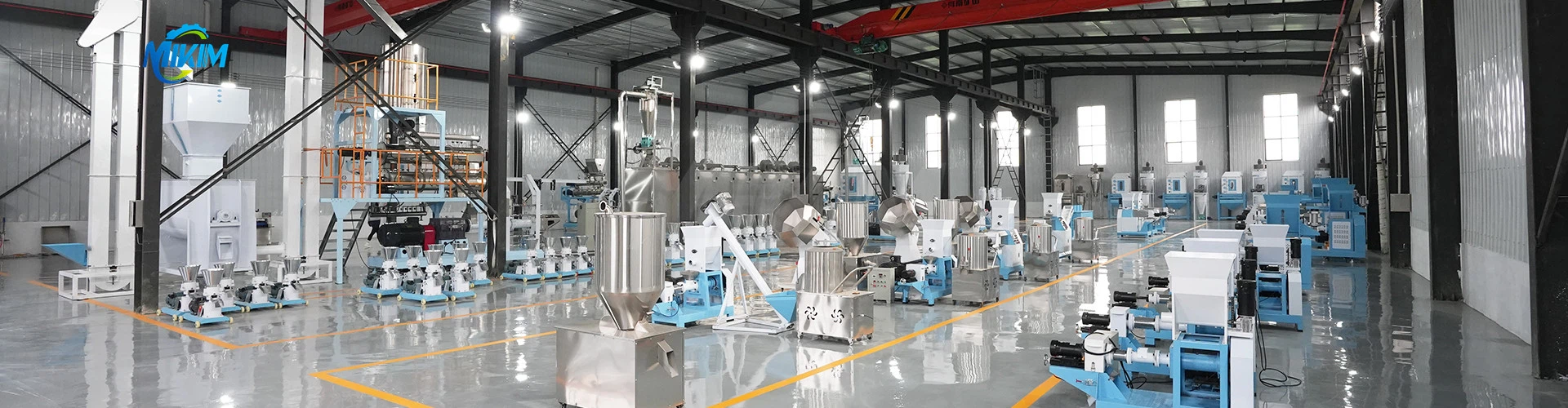
High-density pellet machines have been revolutionizing the livestock industry by providing a more efficient and cost-effective solution for animal feed production. These machines are capable of compressing a variety of organic materials, such as corn silage, alfalfa, and soybean meal, into high-density pellets that provide optimal nutrition for livestock. The use of high-density pellet machines offers several benefits for livestock health and productivity, including improved feed quality, reduced feed waste, and increased feed efficiency.
One of the primary benefits of using high-density pellet machines for animal feed production is improved feed quality. Pellets produced by these machines are more consistent in size, shape, and texture than traditional feeds, ensuring that animals receive a consistent and balanced diet. Additionally, the compression process used by high-density pellet machines can help to improve the digestibility of feed, making nutrients more readily available to animals. This results in better overall nutrition and improved health and productivity for livestock.
Another benefit of using high-density pellet machines is reduced feed waste. Traditional feeds can be difficult to store and transport, leading to waste and spoilage. Pellets produced by high-density pellet machines, however, are more compact and easy to store, reducing the risk of spoilage and increasing the shelf life of feed. Additionally, the compression process used by these machines reduces dust and fines, further reducing feed waste and ensuring that animals receive the maximum nutritional benefit from their feed.
High-density pellet machines also offer increased feed efficiency. The compression process used by these machines increases the density of the feed, allowing for more feed to be stored in a smaller space. This reduces the amount of storage space required for feed and allows for more efficient transport and handling. Additionally, the higher density of the pellets can reduce feed consumption by animals, leading to reduced feed costs and increased profitability for farmers.
In addition to their benefits for livestock health and productivity, high-density pellet machines offer several other advantages for animal feed production. Pellets produced by these machines can be customized to meet the specific nutritional needs of different types of livestock, ensuring optimal growth and productivity. Additionally, the compact and portable design of many high-density pellet machines makes them ideal for small and medium-sized operations, allowing farmers to produce their own high-quality feed on-site.
The use of high-density pellet machines for animal feed production also has environmental benefits. By reducing feed waste and increasing feed efficiency, these machines can help to reduce the environmental impact of livestock production. Additionally, the use of locally sourced organic materials in feed production can reduce greenhouse gas emissions associated with transport and storage.
Finally, the use of high-density pellet machines for animal feed production can have economic benefits for farmers. By producing their own high-quality feed, farmers can reduce their reliance on pre-made feeds and reduce their overall feed costs. Additionally, the increased feed efficiency and improved livestock productivity associated with high-density pellets can lead to increased profitability for farmers.
In conclusion, the use of high-density pellet machines is an efficient and cost-effective solution for animal feed production that offers numerous benefits for livestock health and productivity. The improved feed quality, reduced feed waste, and increased feed efficiency associated with these machines can result in better overall nutrition for animals, increased profitability for farmers, and reduced environmental impact. As the livestock industry continues to evolve, we can expect high-density pellet machines to play an increasingly important role in improving livestock health and productivity.