
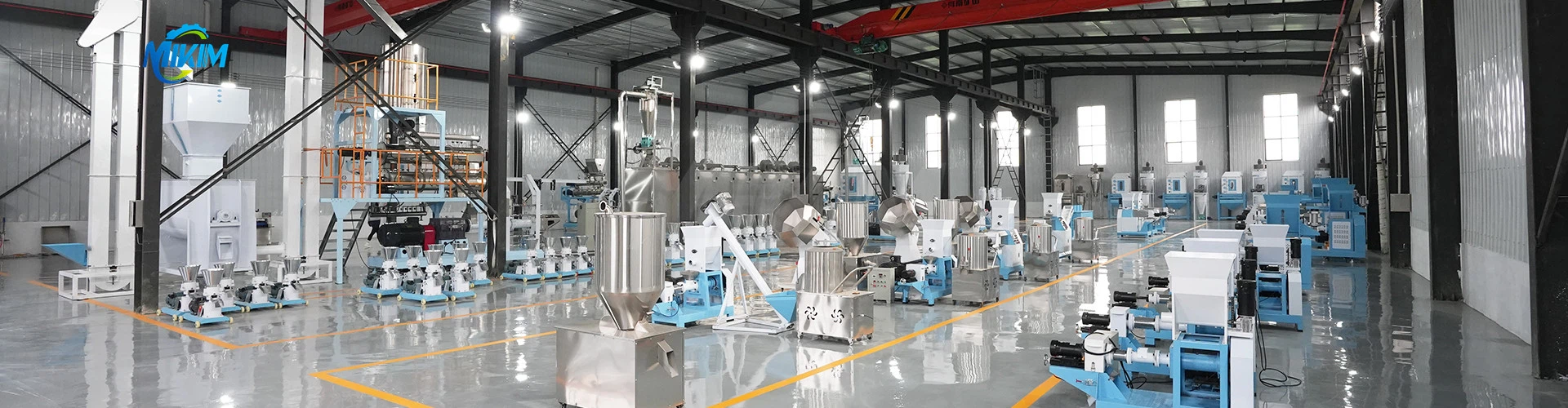
Pellet machines are rapidly gaining popularity in the field of biomass energy production due to their ability to convert waste into a valuable resource. Biomass energy is a form of renewable energy that is derived from organic materials such as wood, crop residues, and waste materials. The use of biomass energy is an important step towards achieving a more sustainable and environmentally friendly future, and the use of pellet machines has made it possible to produce this energy in a more efficient and cost-effective manner.
One of the primary benefits of using pellet machines for biomass energy production is the ability to convert waste into a valuable resource. Many types of organic waste materials, such as sawdust, agricultural residues, and forestry residues, are often disposed of in landfills, where they contribute to environmental pollution. By using pellet machines to compress these materials into high-density pellets, they can be used as a valuable fuel source instead. This not only reduces the amount of waste that goes to landfills but also reduces the reliance on fossil fuels for energy production.
Another benefit of using pellet machines for biomass energy production is the high energy density of the pellets produced. Pellets produced by pellet machines are highly compressed, resulting in a much higher energy density than traditional fuels such as wood chips or logs. This means that a much smaller amount of pellets is required to produce the same amount of energy, making them more cost-effective and easier to transport and store.
Pellet machines also offer several advantages for the environment. The use of biomass energy produced by pellet machines can help to reduce greenhouse gas emissions by replacing fossil fuels with renewable energy sources. Additionally, the production of pellets from organic waste materials can help to reduce environmental pollution by diverting waste from landfills and reducing the need for harmful chemical fertilizers and pesticides in agriculture.
The use of pellet machines for biomass energy production also has economic benefits. The production of pellets from organic waste materials can provide a valuable source of income for farmers and other individuals who produce these materials. Additionally, the use of biomass energy produced by pellet machines can reduce the cost of energy production, leading to lower energy costs for consumers.
The versatility of pellet machines also makes them ideal for use in a variety of applications. Pellets produced by pellet machines can be used as a fuel source for residential heating, industrial processes, and even transportation. The use of pellets as a fuel source for transportation, in particular, has the potential to significantly reduce the carbon footprint of the transportation industry.
Finally, the use of pellet machines for biomass energy production can also contribute to the development of rural communities. The production of biomass pellets from organic waste materials can provide employment opportunities for individuals in rural areas, where traditional employment opportunities may be limited. Additionally, the use of biomass energy can provide a more reliable and cost-effective source of energy for rural communities that may not have access to traditional energy sources.
In conclusion, the use of pellet machines for biomass energy production is a sustainable and cost-effective solution that offers numerous benefits for the environment, the economy, and rural communities. By converting waste into a valuable resource, pellet machines can help to reduce environmental pollution, lower energy costs, and provide employment opportunities for individuals in rural areas. As we continue to explore more sustainable and environmentally friendly ways to meet our energy needs, the use of pellet machines for biomass energy production will undoubtedly play an increasingly important role.