
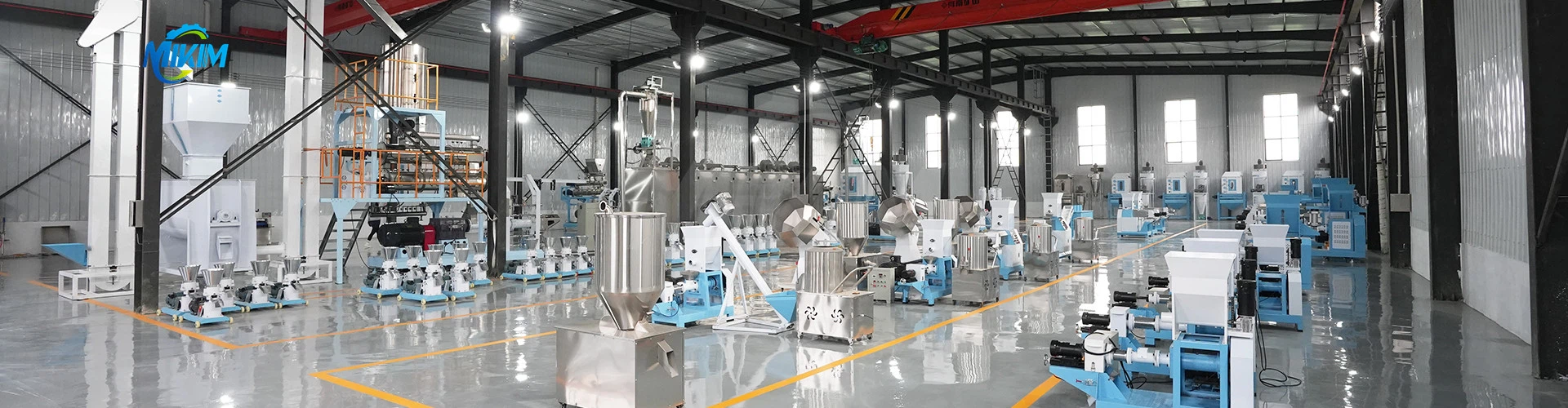
Floating Feed Extruder: A Game-Changer in Fish Farming
Fish farming, also known as aquaculture, has become an increasingly important industry worldwide, as the demand for seafood continues to rise. To meet this demand, innovative technologies are being developed to enhance the efficiency and sustainability of fish farming practices. One such technology that is revolutionizing the industry is the Floating Feed Extruder. This cutting-edge equipment has proven to be a game-changer in fish farming, offering numerous advantages over traditional feeding methods. In this article, we will explore the features and benefits of the Floating Feed Extruder and its impact on the fish farming industry.
The Floating Feed Extruder is a specialized machine designed to produce high-quality fish feed directly on-site. It is a self-contained unit that can be installed on floating platforms or boats, allowing fish farmers to produce feed conveniently and efficiently. The extruder operates by combining various ingredients, such as fishmeal, soybean meal, grains, and vitamins, with water to create a dough-like mixture. This mixture is then processed through a barrel, where it undergoes heat and pressure, resulting in the formation of extruded pellets. These pellets are then cut to the desired length and size before being dried and ready for feeding.
One of the primary advantages of the Floating Feed Extruder is its ability to produce customized fish feeds tailored to the specific nutritional needs of different fish species. Fish require a balanced diet with the right combination of proteins, fats, carbohydrates, vitamins, and minerals to thrive and grow. With the Floating Feed Extruder, fish farmers have full control over the feed formulation, allowing them to adjust the nutrient content based on the age, size, and species of the fish being raised. This level of customization ensures optimal nutrition and growth, leading to healthier and more marketable fish.
Another significant advantage of the Floating Feed Extruder is its cost-effectiveness. Traditional fish feed manufacturing involves purchasing pre-made feeds from external suppliers, which can be expensive and may not always meet the required nutritional standards. By producing feeds on-site with the Floating Feed Extruder, fish farmers can significantly reduce feed costs and ensure the availability of high-quality feeds at all times. Additionally, the extruder allows for the use of locally available ingredients, reducing dependence on imported feed ingredients and promoting local economic development.
The Floating Feed Extruder also contributes to the sustainability of fish farming operations. By producing feeds on-site, it minimizes transportation costs and carbon emissions associated with the distribution of commercial feeds. Furthermore, the extruder offers the opportunity to utilize alternative feed ingredients, such as by-products from agriculture or food processing industries, reducing waste and promoting circular economy principles. These sustainable practices not only benefit the environment but also enhance the overall economic viability of fish farming enterprises.
In terms of operational efficiency, the Floating Feed Extruder offers several advantages. The ability to produce feeds on-site eliminates the need for frequent feed deliveries and storage, saving time and labor. The extruder's continuous production process allows for a consistent supply of feeds, ensuring that fish have access to food whenever they need it. Moreover, the extruded feed pellets have improved durability and water stability, reducing waste and the risk of water pollution. The pellets also have a higher bulk density, enabling better feed utilization and reducing the amount of feed required to achieve optimal growth rates.
The Floating Feed Extruder is not only beneficial for large-scale commercial fish farms but also for small-scale and subsistence farmers. Its compact design and versatility make it suitable for different production scales and locations. Small-scale farmers can reap the benefits of producing their own feeds, eliminating dependence on external suppliers and increasing profitability. This technology has the potential to empower local communities and improve food security by promoting self-sufficiency in fish farming.
In conclusion, the Floating Feed Extruder has emerged as a game-changer in the fish farming industry, offering numerous advantages over traditional feeding methods. Its ability to produce customized feeds, cost-effectiveness, sustainability, and operational efficiency make it an invaluable tool for fish farmers worldwide. As the demand for seafood continues to grow, the Floating Feed Extruder provides a sustainable and efficient solution to meet this demand while ensuring the health and productivity of farmed fish. With its transformative capabilities, this technology is set to shape the future of fish farming, promoting sustainable aquaculture practices and contributing to global food security.
