
For US aquaculture feed manufacturers, the transition from equipment purchase to full-scale production often faces hurdles like electrical incompatibility, high local labor costs for troubleshooting, and raw material variability. MIKIM has successfully completed a factory test for a 1-6 T/H wet-type twin-screw production line, specifically engineered to solve these challenges with 60Hz electrical systems and precision extrusion technology for US-grade ingredients.
1-6 T/H Wet-type Twin-Screw floating fish feed pellet production line test for US customers
1. Solving the "US Market Entry" Pain Points
International procurement often brings hidden risks. This production line was specifically customized to address three critical concerns for our US-based clients:
A. Electrical Compatibility (60Hz / UL Standard Components)
Standard machines often run on 50Hz, which causes motor overheating and efficiency loss when used in the US.
MIKIM Solution: This 1-6 T/H line features custom-wound 460V/60Hz 3-phase motors.
Compliance: We utilize Siemens or ABB motors and Schneider/Delta electrical components that align with NEMA or UL-level safety expectations, reducing the risk for local electrical inspections.
B. High Labor Costs & Automation
With US labor costs rising, manual monitoring is a liability.
MIKIM Solution: Integrated PLC Intelligent Control Systems allow for one-button start/stop, formula memory, and real-time data logging. This reduces the required on-site staff to just 1-2 operators for the entire 6 T/H line.
C. Raw Material Variability (US Soybean & Corn)
US-sourced corn and soybean meal often have different fiber and fat profiles compared to Asian or European crops.
MIKIM Solution: The wet Type Twin screw floating fish feed pellet processing machineconfiguration is adjusted to provide the specific shear force required to break down US-grade starch granules, ensuring a 98% gelatinization rate.
2. Technical Deep Dive: The Wet-type Twin-Screw floating fish feed extruder machine
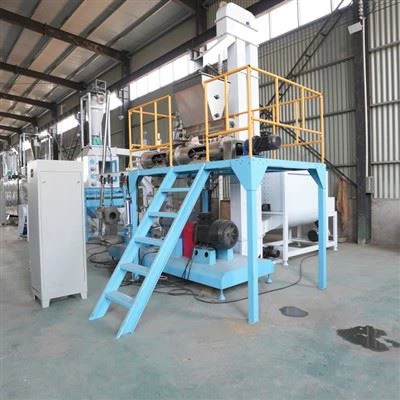
The heart of this production line is the Wet-type Twin screw floating fish food extruder machine. Unlike dry-type or single-screw machines, this technology is the "Gold Standard" for commercial feed.
Why "Wet-Type" Matters (Steam Conditioning)
The Wet-type Twin screw floating fish food pellet maker machine utilizes a Stainless Steel DDC (Differential Diameter Conditioner).
- Pre-Conditioning: It injects steam and water into the raw materials for 120-180 seconds before they enter the screw.
- Benefit: This pre-cooks the starch, softens the fiber, and kills pathogens (like Salmonella), which is crucial for meeting US biosecurity standards. It also significantly reduces wear and tear on the screws, extending their lifespan by 40%.
The Twin-Screw Advantage: Modular & Self-Cleaning
- Modular Screw Design: Our screws are made of high-wear-resistant 38CrMoAl alloy. The modular design allows us to adjust the "Kneading," "Shearing," and "Transporting" sections based on the customer's specific recipe (e.g., high-fat salmon feed vs. high-fiber tilapia feed).
- Positive Displacement: Twin screws intermesh, creating a forced forward flow. This means even if the formula has 12-15% oil content, the machine will not slip or clog-a common failure in Wet-type Single-Screw floating fish food pellet making machines.
- Self-Cleaning Function: The two screws wipe each other during rotation, preventing material buildup and cross-contamination between batches.

3. The Factory Acceptance Test (FAT) Process
To minimize installation risks and commissioning time for our US clients, MIKIM follows a rigorous 5-step verification protocol before shipment.
Step 1: Mechanical & Electrical Safety Audit
We inspect all transmission components, gearboxes, and electrical circuits. For US customers, we verify that the PLC (Programmable Logic Controller) interface is intuitive and all safety interlocks are functional.
- US Voltage Stability Test: Running all motors at 60Hz under full load to monitor temperature rise and torque stability.
Step 2: Raw Material Trial Production
We use the customer's specific formula (or a close equivalent) to test:
- Throughput Verification: Ensuring the line hits the 1-6 T/H target.
- Moisture Control: Testing the efficiency of the steam conditioner and multi-layer dryer.
- Steam Pressure Calibration: Fine-tuning the steam injection valves to ensure moisture levels are reduced to <10% after the drying stage, preventing mold during storage in humid US coastal regions.
Step 3: Pellet Quality Analysis
Finished pellets undergo a "Quality Stress Test":
- Uniformity: Digital calipers measure diameter consistency (0.9mm to 15mm).
- Durability: Testing the pellets' resistance to crumbling during pneumatic transport.
- Expansion Ratio: Expansion Ratio Control: Testing pellets from 0.9mm to 15mm. We verified that the expansion ratio remains consistent, ensuring the pellets float for over 24 hours without disintegrating.

Step 4: Continuous Stability Test
The production line is run for 4-8 hours of continuous operation to monitor motor heat, vibration levels, and energy consumption, ensuring industrial-grade reliability.
- Automatic Cut-off & Protection: Testing safety sensors to ensure the line shuts down immediately in case of an emergency, protecting the high-value twin-screw assembly.
4. Full Line Configuration for 1-6 T/H Production
| Process Stage | Equipment Role | Technical Advantage |
| Pulverizing | hammer mill crusher | Ultra-fine grinding (60-80 mesh) for better pellet surface. |
| Mixing | animal food mixer | CV (Coefficient of Variation) < 5% for nutrient uniformity. |
| Extrusion | Wet-type Twin-Screw floating fish feed extruder | High shear, high pressure, 98% starch gelatinization. |
| Drying | Multi-layer drying oven | Recirculating air design for 30% energy savings. |
| Seasoning | feed pellet Drum Seasoning Machine | Precise fat/vitamin application without pellet damage. |
| Cooling | counterflow cooling tower | Reduces pellet temp to ±3°C of ambient temp for packing. |
5. FAQ:
Q1: How do you handle the 460V/60Hz electrical requirement?
We customize the entire electrical cabinet and motor set at the factory. During testing, we use frequency converters or dedicated 60Hz power sources to simulate your local grid, ensuring no "tuning" is required on your site.
Q2: Is the Wet-type Twin screw floating fish feed pellet extruder machine compatible with high-protein insect meal or fish oil?
Yes. The Wet-type Twin screw floating fish feed making machine is designed for high-fat and high-protein formulas. The forced transport mechanism ensures that "sticky" or "oily" materials move through the barrel without the backflow common in cheaper single-screw models.
Q3: What is the lifespan of the wear parts (Screws and Dies)?
Under normal operation with proper steam conditioning, our high-alloy screws last between 2,000 to 4,000 hours, and dies last 800 to 1,500 hours, depending on the abrasiveness of your formula.
Q4: How long does commissioning take in the US?
Because we perform a full Factory Test before shipping, on-site commissioning usually takes only 7-10 days, compared to the 3-4 weeks required for untested lines.
Conclusion: Reliability Meets Performance
The MIKIM 1-6 T/H wet-type twin-screw production line is more than a machine-it is a tailored solution for the US market. By solving the pain points of voltage, raw material variability, and automation, we help our clients move from installation to profit in record time.
Are you ready to upgrade your aquaculture feed production? Contact MIKIM's engineering team for a customized 60Hz technical proposal.
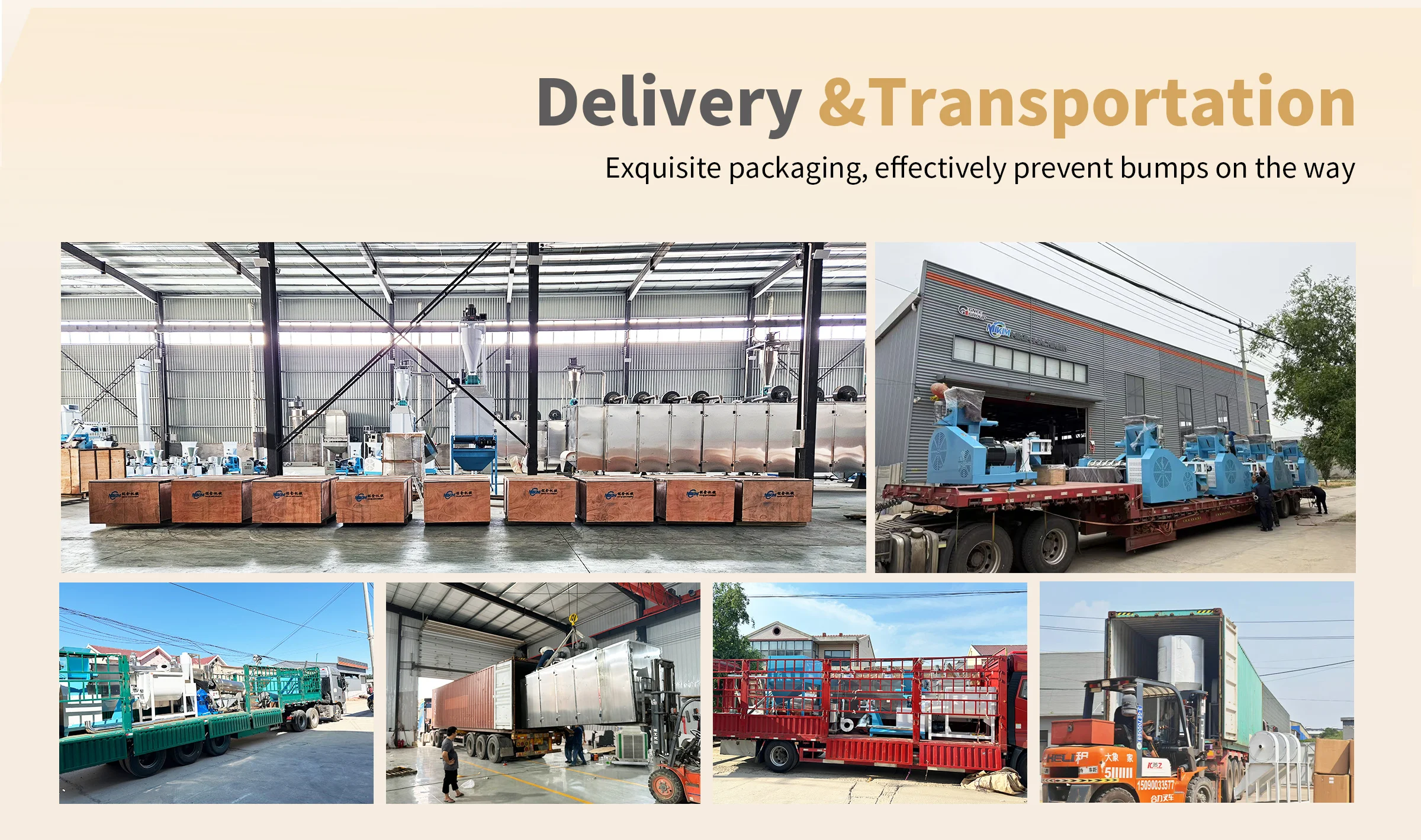
Shipment of a Wet-Type Twin-Screw Floating Fish Feed Production Line to a U.S. Customer


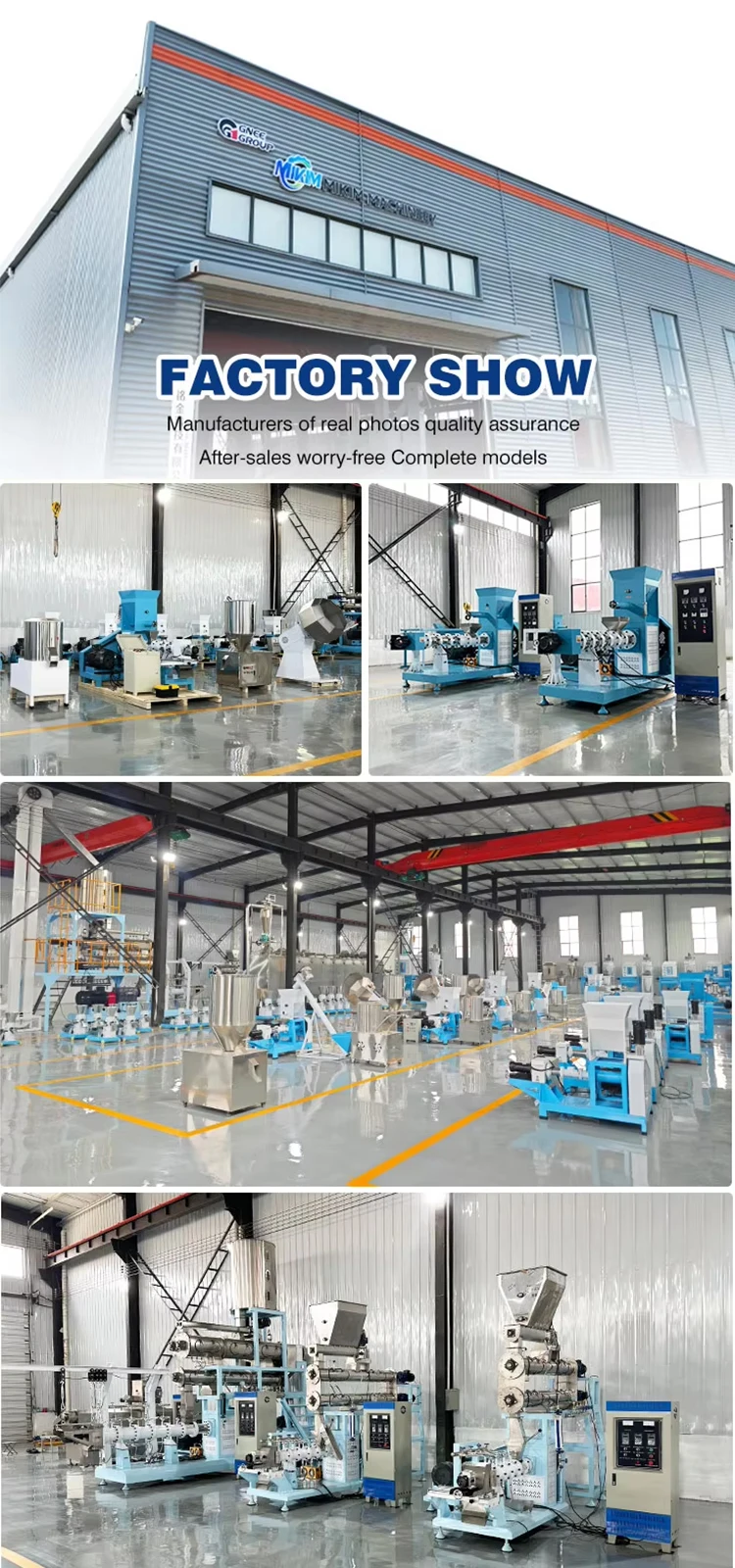
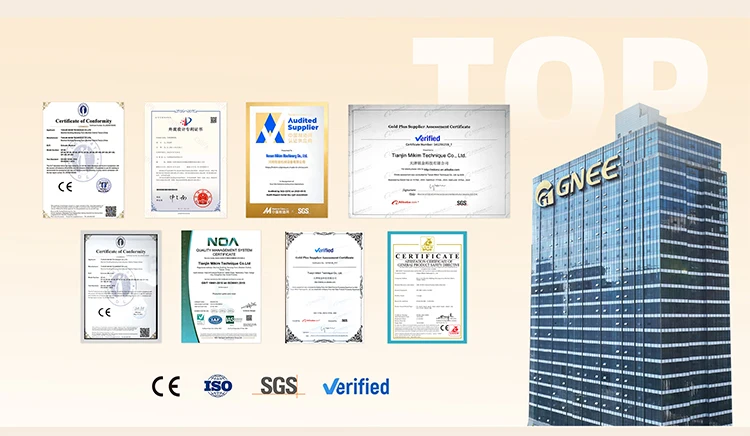
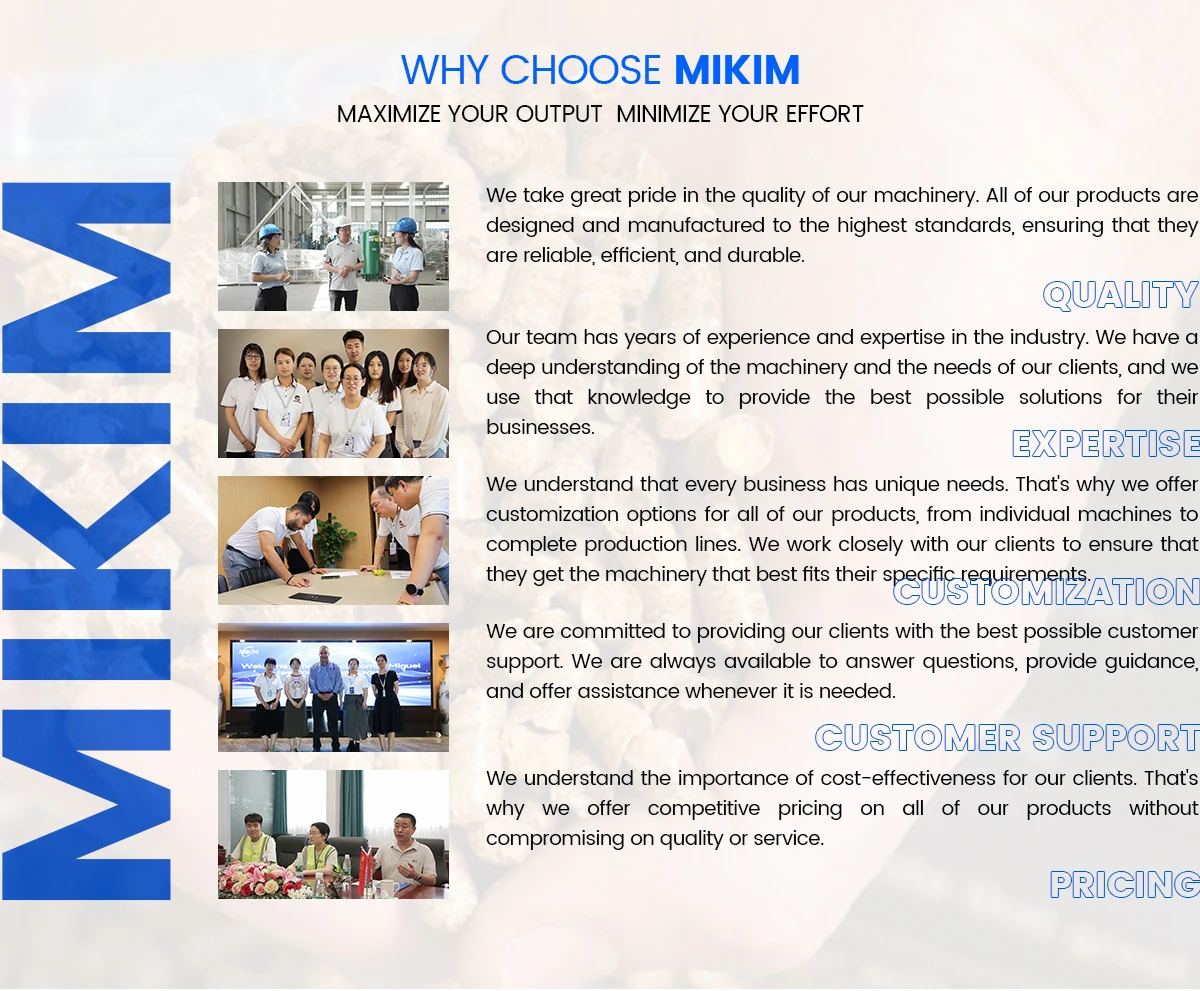
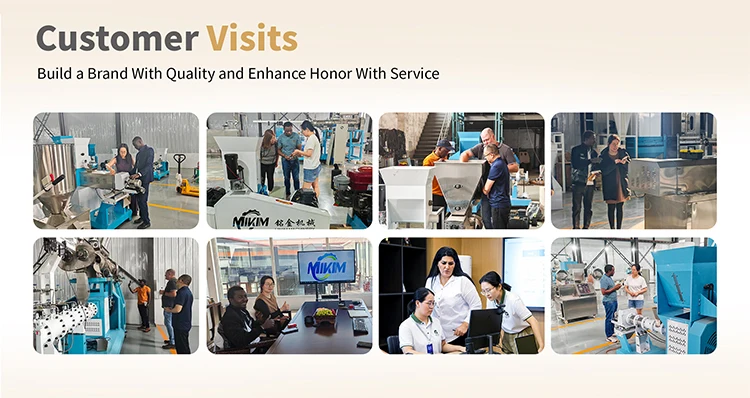
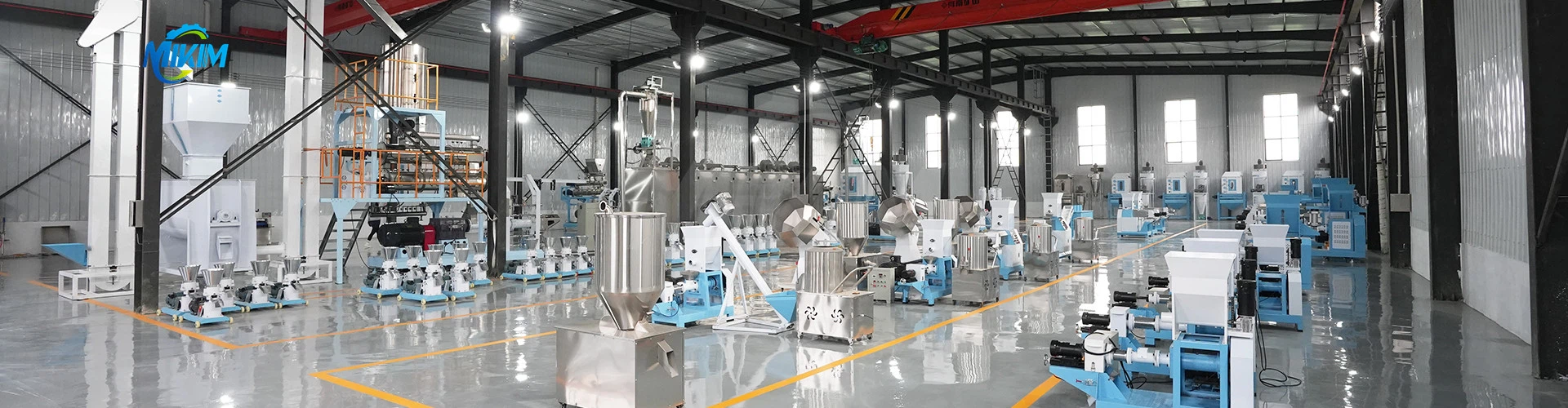
Company Profile