
1. When the equipment is used for the first time, you may encounter the problem of low output. This is usually because the equipment has not been fully run-in. To solve this problem, it is recommended to use oil-containing materials for grinding and lubrication. As the working time increases, the output will gradually increase.
2. The moisture content of the raw material is also a key factor affecting the output. If the moisture content of the raw material is too high or too low, it will lead to a decrease in output. Therefore, it is necessary to ensure that the moisture content of the raw material is controlled within an appropriate range.
3. If the gap between the flat die and the roller is set too large, it will also affect the output. The gap needs to be adjusted appropriately to ensure smooth production.
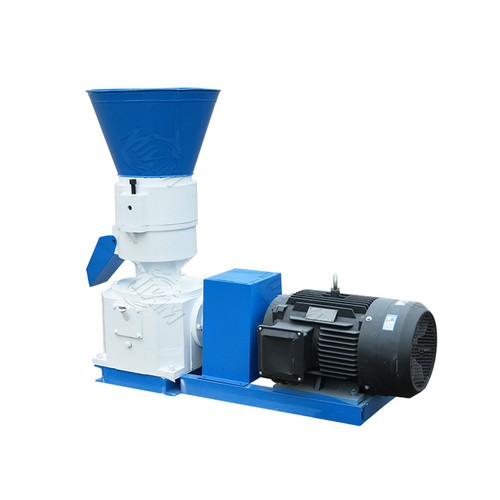
| Model | Capacity | Power | Dimension | Weight |
| 125 | 80-100kg/h | 3kw | 110*35*70 cm | 95 kg |
| 150 | 120-150kg/h | 4kw | 115*35*80cm | 100 kg |
| 210 | 200-300kg/h | 7.5kw | 115*45*95cm | 300 kg |
| 260 | 500-600kg/h | 15kw | 138*46*100cm | 350 kg |
| 300 | 700-800kg/h | 22kw | 130*53*105cm | 600 kg |
| 360 | 900-1000kg/h | 22kw | 160*67*150cm | 800 kg |
| 400 | 1200-1500kg/h | 30kw | 160*68*145cm | 1200 kg |
4. The degree of wear of the roller or flat die will also affect the output. If the wear is serious, it needs to be repaired or replaced in time to restore its normal working condition.
5. The slippage or aging of the V-belt should not be ignored. The V-belt is an important part of the transmission system, and the stability of its performance directly affects the output of the equipment. If the V-belt is found to be slipping or aging, it should be treated or replaced immediately.