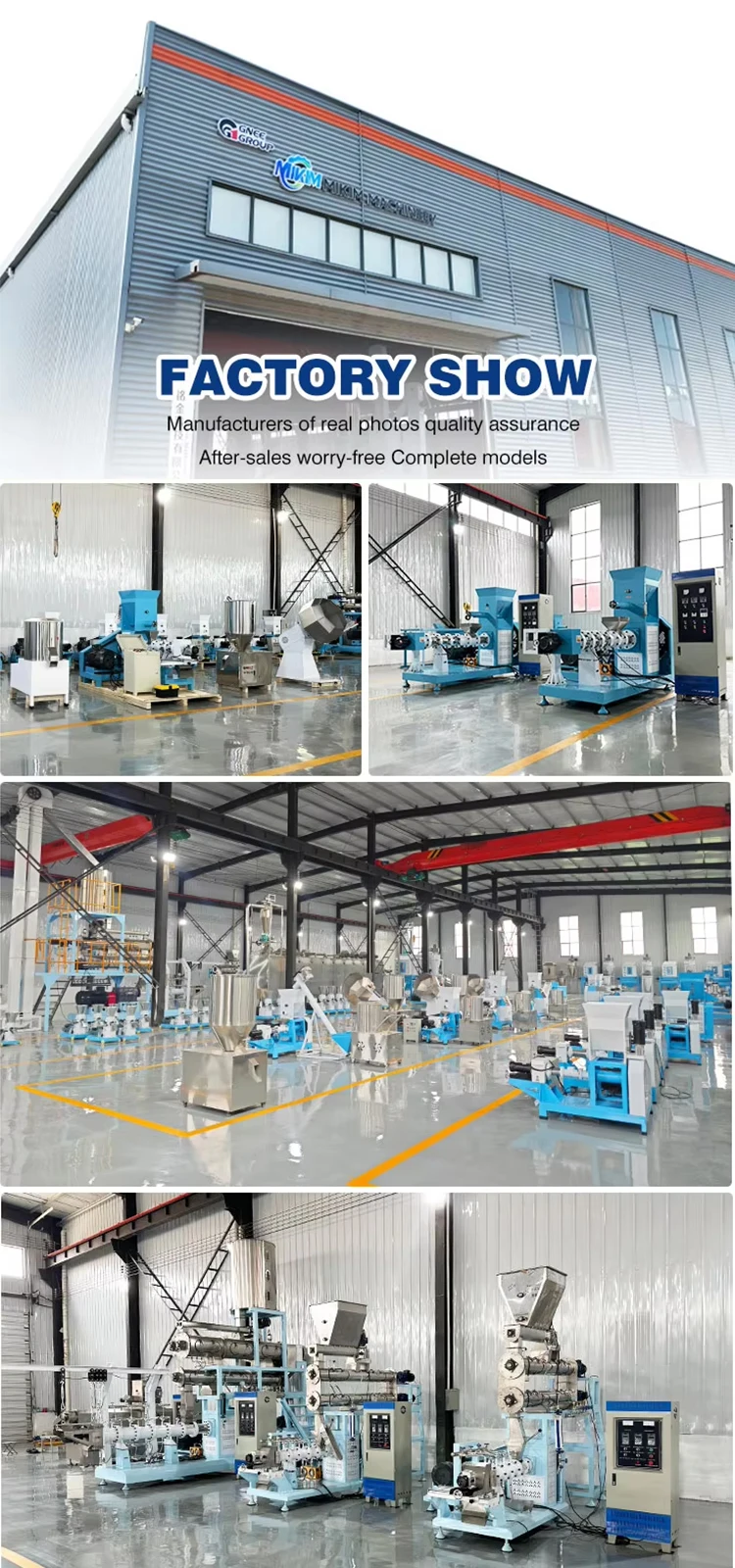
Post-production cleaning difficulty is one of the most overlooked efficiency killers in animal feed extruder machine operations. It leads to longer downtime, higher labor costs, and even product contamination risks
This guide explains:
- Common cleaning problems
- Root causes (4 key dimensions)
- Fast cleaning methods
- Long-term optimization strategies
1. Common Problems in prawn feed extruder machine Cleaning
| Problem | Typical Symptoms | Impact on Production |
|---|---|---|
| Severe Material Buildup | Carbonized, sticky residue in barrel, screw, die | Difficult removal, risk of equipment damage |
| Disassembly Difficulties | Die head and screw stuck, requires heating or hammering | Component deformation, maintenance delays |
| Low Cleaning Efficiency | Cleaning time >2 hours, repeated cleaning needed | High labor cost, production delays |
| Residual Contamination | Uncleaned material affects next batch | Product quality & food safety risks |
2. Root Causes of Difficult Cleaning
| Factor | Specific Cause | Result |
|---|---|---|
| Material | High starch & oil, low moisture (<10%) | Strong adhesion, easy carbonization |
| Structure | Rough surfaces, dead corners, threaded gaps | Material accumulation, hard to remove |
| Operation | No empty run before shutdown | Residual material hardens inside |
| Maintenance | Infrequent cleaning, wrong tools | Long-term buildup, harder cleaning |
2.1 Material Factors (Primary Cause)
- High starch and oil materials become highly viscous under high temperature
- Low moisture (<10%) → dry, compact, strongly adhesive residue
- Impurities mix with residue → "cement-like buildup"
👉 Result: Hard, sticky, carbonized deposits
2.2 floating fish food pellet maker machine Structure Issues
- Rough internal surfaces increase friction and adhesion
- Dead corners and gaps trap material
- Threaded connections accumulate residue
- No dedicated cleaning channels
👉 Result: Cleaning requires full disassembly
2.3 Improper Operation
- No empty running before shutdown
- No immediate cleaning after production
- Excessive temperature → over-plasticization
👉 Result: Material solidifies and bonds to metal
2.4 Poor Maintenance Practices
- No routine cleaning system
- Lack of deep cleaning
- Using metal tools damages surfaces
👉 Result: Worsening adhesion over time
3. Fast Cleaning Methods
| Method | How to Do It | Key Benefit |
|---|---|---|
| Hot Cleaning | Clean immediately after shutdown | Material still soft, easier removal |
| Soft Tools | Use brushes & special scrapers | Prevent equipment damage |
| Soaking Method | Use food-grade cleaning agents | Loosens carbonized buildup |
| Thermal Disassembly | Heat components ≤150°C before removal | Prevents forced damage |
💡 Tip: Never use hammering as a primary method
→ it silently destroys precision components
4. Structural Optimization
| Optimization | Function | Result |
|---|---|---|
| Polished internal surfaces | Reduce friction | Less material adhesion |
| Dead-zone elimination | Improve flow | Easier discharge |
| Flange connection | Replace threads | Easier disassembly |
| Cleaning ports/system | Enable internal washing | Faster maintenance |
5. Process Optimization
Best Practice Workflow
- Stop feeding 10–15 minutes before shutdown
- Run machine empty
- Use soybeans or low-adhesion material for flushing
- Control temperature to avoid overcooking
- Clean while the floating fish feed pellet maker machine is still warm
6. Preventive Maintenance System
| Frequency | Task |
|---|---|
| Every shift | Basic cleaning |
| Weekly | Deep cleaning |
| Monthly | Disassemble screw & die |
| Continuous | Record cleaning logs |
Key Management Measures
- Standardize cleaning procedures
- Use dedicated tools only
- Track residue buildup trends
- Train operators regularly
👉 Result: Stable performance + lower long-term cost
7. Key Takeaways
- Aquatic feed pellet extruder cleaning difficulty is mainly caused by material properties, machine structure, operation errors, and poor maintenance
- The most critical factor is material carbonization due to improper shutdown and temperature control
- The fastest solution is cleaning while hot + using proper tools
- The best long-term solution is structural optimization + standardized maintenance
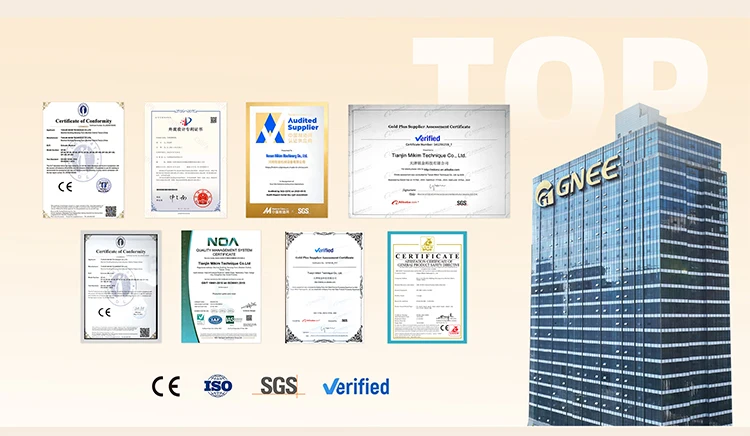
Company Profile