
content
Comprehensive Troubleshooting System: Four Dimensions for Precise Fault Location and Interference Elimination
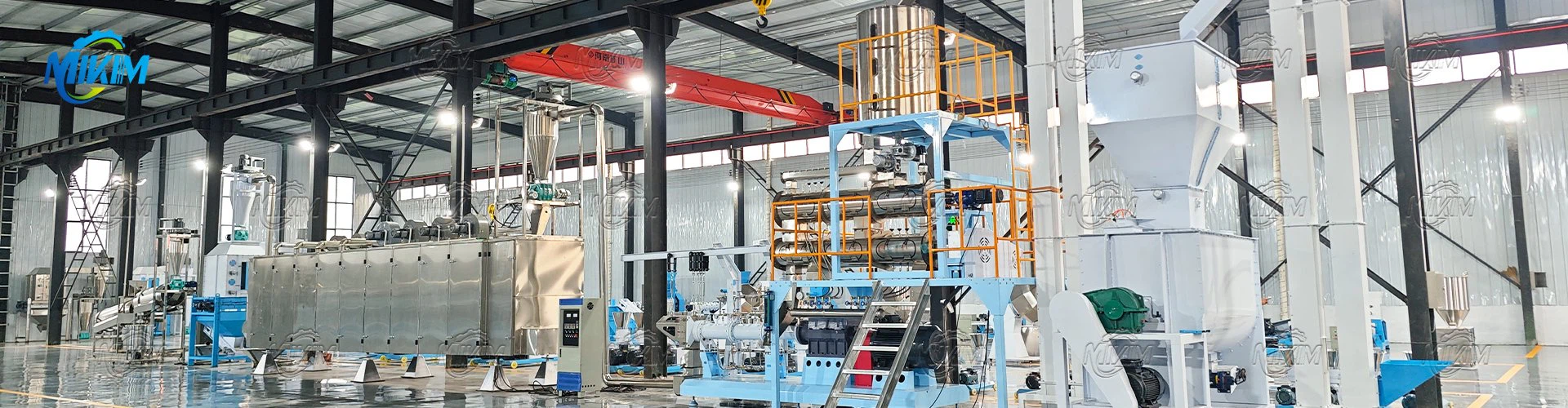
Based on over 90 real-world fault cases from dog food factories, a comprehensive troubleshooting system for cat food pellet machine grinding faults has been constructed. The system revolves around four core dimensions, while also considering the interlocking status of the extruder to eliminate interference.
1. Interlocking Status Troubleshooting: Checking the linkage shaft and fixing bolts between the pellet mill and the cat food making machine for looseness, and verifying the extruder's operating parameters (temperature, pressure, speed) are normal, eliminating faults caused by linkage imbalance.
2. Grinding Component Troubleshooting: Checking the wear of the grinding disc and rollers, grinding gaps, and cleaning residual material from the surface, eliminating faults caused by component wear or gap misalignment.
3. Raw Material and Conditioning Troubleshooting: Checking whether the raw material moisture content is within the standard range, and inspecting the extruder's conditioner, nozzles, and blades, eliminating faults caused by abnormal raw material moisture or conditioning malfunctions.
4. Cat Food Extruder Machine Operation Troubleshooting: Checking the operating status of the pellet mill's motor and gearbox, investigating whether insufficient grinding power due to motor failure or gear wear is causing grinding faults. This step-by-step troubleshooting across the four dimensions allows for rapid fault location and avoids blind repairs.


Comprehensive Fault Repair: Targeted Solutions for Thorough Resolution
1. Linkage Imbalance Faults: Tighten linkage components, calibrate cat feed pellet machine operating parameters, adjust the linkage rhythm between the pellet mill and extruder, and conduct a no-load test after repair.
2. Grinding Component Wear Faults: Repair or replace components based on the degree of wear, calibrate grinding gaps, and ensure component protection.
3. Raw Material and Conditioning Faults: Control raw material humidity, repair the conditioning system of the small cat feed extruder machine (clean nozzles, repair blades, calibrate temperature), and ensure uniform material conditioning.
4. Insufficient Power Faults: Inspect the pellet mill motor and gearbox, replenish lubricating oil, repair or replace worn gears and motor components, and ensure sufficient grinding power. After repair, a trial production test is required to check the grinding effect. Normal production can only resume after confirming that the fault has been completely resolved.

Long-Term Protection System: Source Control, Reducing Fault Recurrence Rate by Up to 85%
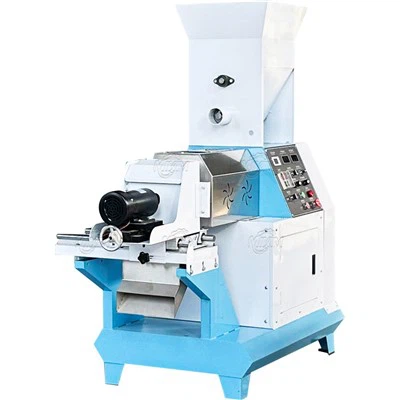
Establish a long-term protection system to reduce the recurrence of grinding faults at the source, while protecting the pellet mill and pet food extrusion equipment. First, standardize daily maintenance: clean the grinding parts of the pellet mill and the conditioner of the extruder daily; check the wear of the linkage parts and grinding parts weekly; and calibrate the parameters of the extruder and the grinding gap of the pellet mill monthly. Second, strictly control raw material quality: establish a raw material screening and humidity detection mechanism to remove hard impurities and ensure uniform raw material humidity. Third, strengthen personnel training: regularly provide professional training to operators and maintenance personnel to ensure they are proficient in troubleshooting and repairing grinding faults and the key points of linkage maintenance for extruders and small pet food processing machines. Fourth, establish a fault log to record the cause, repair method, and repair effect of each grinding fault, and regularly summarize and analyze the data to optimize protection plans. Fifth, conduct comprehensive overhauls of the pellet mill and extruder regularly, replace vulnerable parts quarterly, and perform a comprehensive calibration every six months to ensure long-term stable operation of the equipment, while simultaneously driving higher exposure and traffic conversion for product pages.
about Us
Customer visit

Certificate of Honor

FAQ
1. What is the price of the dog food processing machine?
The price ranges from approximately $1,500-$55,000
2. Do you provide maintenance services for your customers?
Yes, we offer comprehensive after-sales maintenance services to our customers.
If you would like to learn more about MIKIM machinery, please contact us. We offer one-stop service and welcome your inquiries!!!