
content
Troubleshooting: Visual Signals of Grinding Component Wear
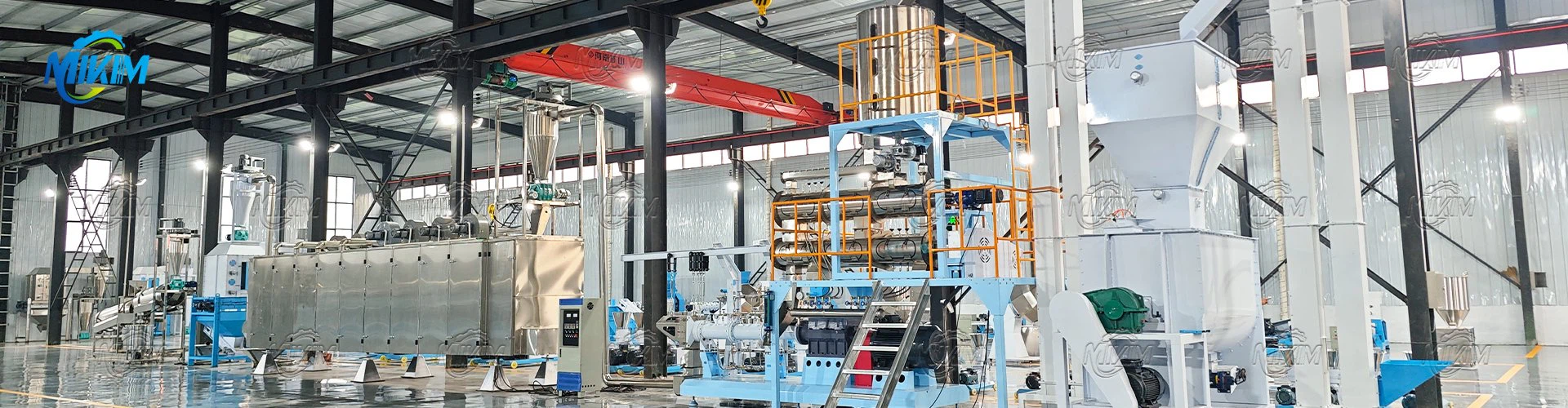
By combining the status of the pet food extrusion machine with other equipment, it's possible to quickly determine if the grinding components of the pellet mill are worn, avoiding misdiagnosis. There are four key signals:
1. The ground dog food pellets are noticeably coarser, with coarse particles accounting for more than 30%, and the surface is rough and lacks a smooth luster. After ruling out insufficient curing in the extruder, wear of the grinding components is confirmed.
2. A continuous "grinding" noise occurs during pellet mill operation, and this noise intensifies with increasing grinding load. After stopping the machine and disassembling the grinding components, obvious scratches, wear marks, and even unevenness are visible on the grinding disc and rollers.
3. Grinding efficiency decreases; with the same amount of raw material, grinding time is more than 20% longer than normal, and there are still clumps of insufficiently ground material after grinding.
4. Increased energy consumption in the pet food extrusion equipment; when operating in conjunction with the extruder, overall energy consumption increases by 15% compared to normal, due to increased operating resistance caused by wear of the grinding components.


Repair Steps: Precise Repair Based on Wear Level to Avoid Secondary Damage
Depending on the wear level of the grinding parts, we will either "repair by grinding" or "replace the parts," while simultaneously applying protective measures to the dog food processing machine to prevent rapid wear again after repair. Step 1: Safely shut down and disconnect power. Turn off the power to the pellet mill and extruder. Disassemble the pellet mill's grinding components (grinding disc, grinding roller), clean off any material residue and wear debris, and measure the wear amount with calipers.
Step 2: Repair minor wear (wear ≤ 0.2mm). Use a special grinding tool to grind the worn surface, removing scratches and unevenness to ensure a smooth surface. Simultaneously clean the mounting area of the grinding components to prevent impurities from affecting installation accuracy.
Step 3: Repair moderate wear (0.2mm < wear ≤ 0.5mm). After grinding, calibrate the grinding gap and apply a special wear-resistant coating to improve component wear resistance and extend the lifespan of the dog food extruder machine. After applying the coating, allow it to air dry naturally for 2-4 hours, avoiding high-temperature baking.
Step 4: Treat severe wear (wear > 0.5mm). Directly replace the grinding components (grinding disc, grinding roller). When replacing, select components that match the pellet mill model, ensuring secure installation and uniform grinding gap. Simultaneously check the extruder's discharge port, removing any hard impurities that may be trapped to prevent rapid wear of the new components.
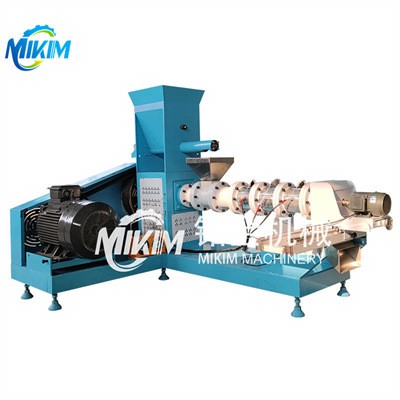

Post-repair protection: Linking with the dog food pellet making machine to reduce wear recurrence
First, strictly control raw material quality and optimize the extruder's feeding and screening process to remove hard impurities and prevent them from entering the pellet mill's grinding components. Second, standardize coordinated operation by adjusting the operating parameters of the extruder and pellet mill to ensure material delivery matches grinding capacity and prevent overloading of grinding components. Third, perform regular maintenance: clean residual material from the dog food pellet extruder's grinding components weekly, check wear monthly, perform grinding calibration every 3 months, and replace grinding components every 6-12 months (depending on production intensity). Fourth, regularly maintain the extruder screw and barrel to prevent material from agglomerating inside the extruder, which would exacerbate wear on grinding components after entering the pellet mill.
about Us
Customer visit

Certificate of Honor

FAQ
1. What is the price of the Best dog food Maker machine?
The price ranges from approximately $1,500-$55,000
2. Do you provide maintenance services for your customers?
Yes, we offer comprehensive after-sales maintenance services to our customers.
If you would like to learn more about MIKIM machinery, please contact us. We offer one-stop service and welcome your inquiries!!!