
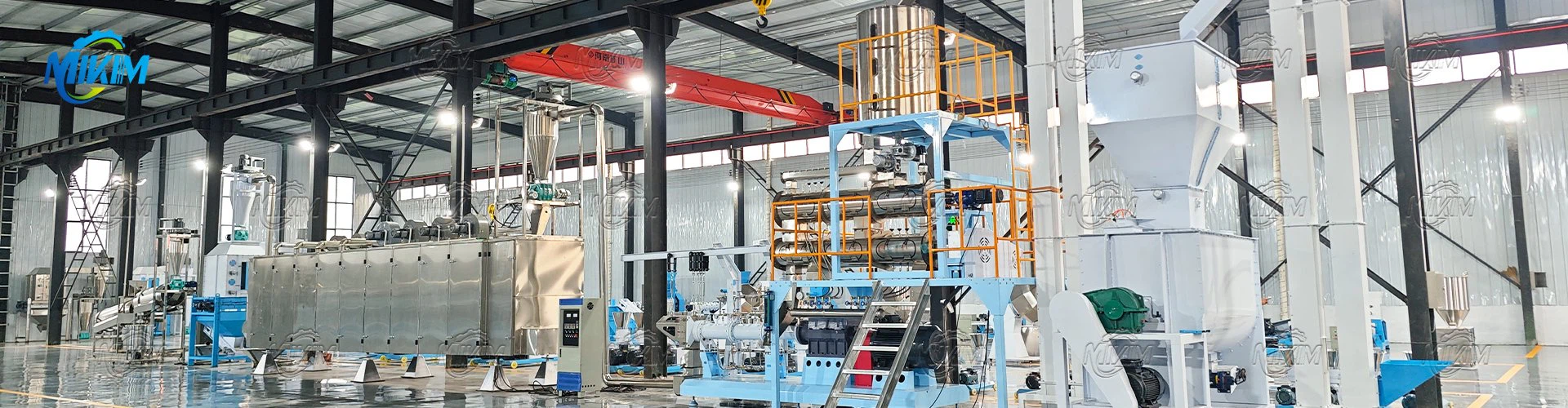
1. Raw material selection: According to the growth and development stage and feeding standards of different animals, select appropriate raw materials for combination.
2. Raw material processing: Clean, crush, dehydrate and other treatments of the selected raw materials for subsequent processing and mixing.
3. Ingredients: According to the scientific formula requirements, various raw materials are mixed in proportion. The key to this link is to ensure that the quality and nutritional components of each raw material match to meet the needs of animals.

|
Model |
Capacity |
Power |
|
MK-150 |
120-150kg/h |
4kw |
|
MK-210 |
200-300kg/h |
7.5kw |
|
MK-260 |
500-600kg/h |
15kw |
|
MK-300 |
700-800kg/h |
22kw |
4. Processing: The raw materials after ingredients are made into granular or powdered feed products through tempering, granulation and other processes. During the processing, it is necessary to pay attention to controlling parameters such as temperature and time to ensure product quality.
5. Packaging: The finished feed products are packaged for transportation and storage. Packaging methods include bagging, canning, bulk, etc., and it is necessary to ensure that the packaging is well sealed to prevent the feed from being contaminated.
6. Storage and transportation: Feed products need to be stored and transported after packaging. Attention should be paid to maintaining appropriate temperature and humidity to prevent feed deterioration.