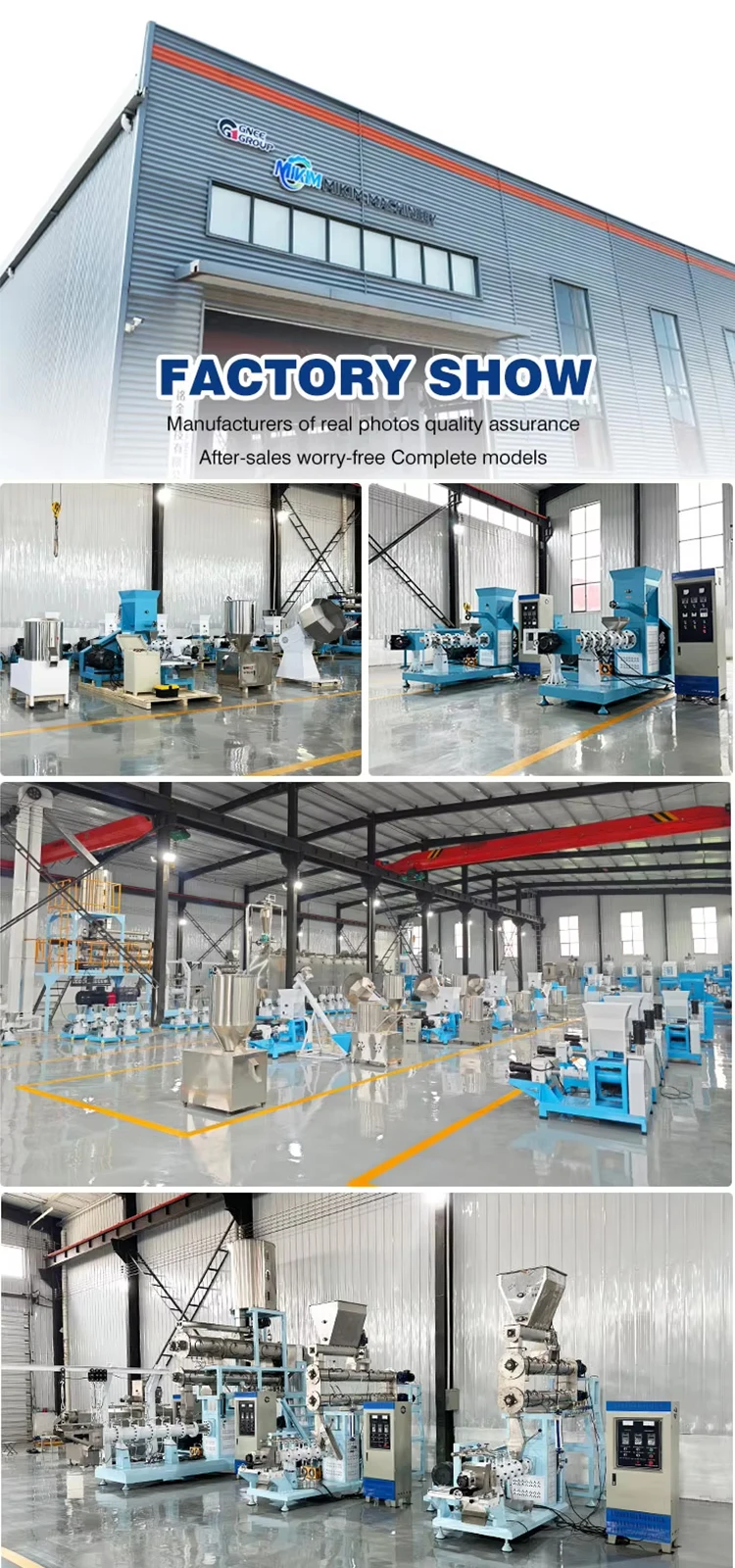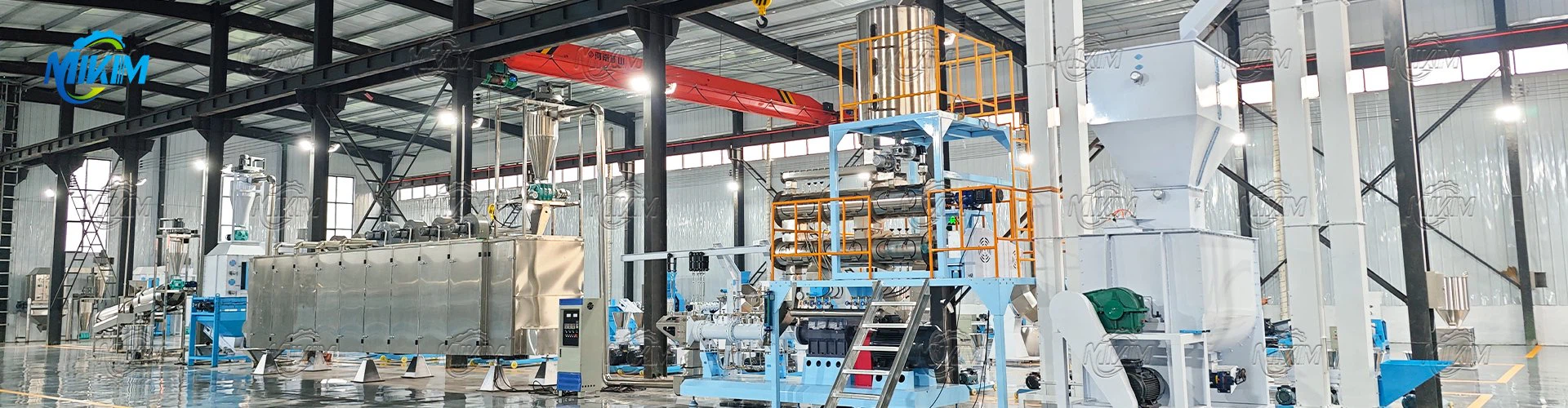

A Wet-type Twin screw floating fish feed pellet making machine is the gold standard for high-capacity aquatic feed production. This article explores the critical 6-step factory testing process at the MIKIM factory, compares twin-screw vs. single-screw technology, and explains how wet-type extrusion achieves >90% starch gelatinization for superior pellet floating and digestibility.
I am interested in this product
Table of Contents
1. Introduction: The Professional Choice for Aquatic Feed
In the competitive aquaculture industry, the quality of feed directly determines the growth rate of species like Tilapia, Catfish, and Shrimp. For commercial feed plants, the Wet-type Twin-Screw floating fish feed extruder is the preferred solution.
However, purchasing a machine is only the first step. At MIKIM, we believe that a rigorous Factory Acceptance Test (FAT) before shipment is the only way to guarantee production stability and ROI (Return on Investment).
2. Technical Comparison: Twin Screw vs. Single Screw Wet-type floating fish feed production machine
To help smart buyers make informed decisions, we have compared the two main technologies used in the industry:
| Feature | Single Screw Extruder | MIKIM Twin Screw Extruder |
| Material Adaptability | Limited (Low fat/fiber) | High (Handles high fat, fiber, and moisture) |
| Mixing Performance | Basic | Superior (Intensive kneading & self-cleaning) |
| Floating Rate | 80% - 85% | 98% - 100% |
| Starch Gelatinization | Moderate | High (>90%) via Steam Conditioning |
| Wear Resistance | Standard | Enhanced (Alloy steel screws with longer life) |
Expert Insight: While single-screw machines are cheaper, twin-screw systems offer better "Self-Cleaning" capabilities, preventing material buildup and reducing downtime by 30%.
Single-Screw vs. Twin-Screw Fish Feed Extruder Comparison
3. The 6-Step Factory Testing Process at MIKIM
When you watch a MIKIM factory testing video, you aren't just seeing a machine run; you are seeing a precision engineering verification.
Step 1: Precision Formula Mixing
We use a blend of fish meal, soybean meal, and corn flour.
MIKIM Expert Tip: The particle size of raw materials should be at least 60-80 mesh to ensure smooth extrusion and a polished pellet surface.
Step 2: Advanced Steam Conditioning (The "Wet" Advantage)
The material enters the stainless steel conditioner where high-pressure steam is injected.
Why it matters: Moisture and heat pre-cook the starch. This reduces mechanical wear on the screw and increases the digestibility of the feed for the fish.
Step 3: Twin-Screw Kneading and Cooking
Inside the barrel, the twin screws provide high-shear force. Our engineers monitor the motor current and frequency to ensure the machine operates within its optimal load range, preventing future motor burnout.
Step 4: Controlled Expansion and Die-Cutting
As the material exits the die, the sudden pressure drop creates the porous structure needed for flotation.
Troubleshooting during test: If pellets are uneven, our engineers adjust the cutter speed and die-hole pressure in real-time to achieve a perfect 1.0mm to 10mm finish.
Step 5: Critical Floating Performance Verification
We place the hot pellets directly into a water tank.
The Standard: High-quality floating feed must float immediately and remain stable for at least 12-24 hours without disintegrating, ensuring no water pollution.
Step 6: Full-Load Stability Assessment
We run the machine at its rated capacity (e.g., 1-2 tons/hour) for a sustained period to check for vibration, noise, or temperature spikes in the gearbox.

4. Why Wet-Type Extrusion is Essential for Large-Scale Plants
Many customers ask: "Can I use a dry-type extruder?"
For small-scale hobbyists, yes. But for commercial production, the Wet-type Twin screw fish feed making machine is essential because:
- Higher Output: Steam conditioning increases capacity by 15-20%.
- Better Nutrition: Pre-cooking kills harmful bacteria (like Salmonella) and improves protein denaturation.
- Pellet Aesthetics: Wet-type pellets are smoother, denser, and have less "dusting," which reduces feed waste.
5. Beyond the Extruder: The Complete Production Line
A successful factory test on the extruder is vital, but MIKIM reminds customers that a full commercial line requires:
- Vertical/Horizontal Dryer: To reduce moisture to <10% for storage.
- Oil Coating Machine: To add fats and vitamins after extrusion for better palatability.
- Counter-flow Cooler: To prevent pellet cracking during packaging.
6. Why Trust MIKIM?
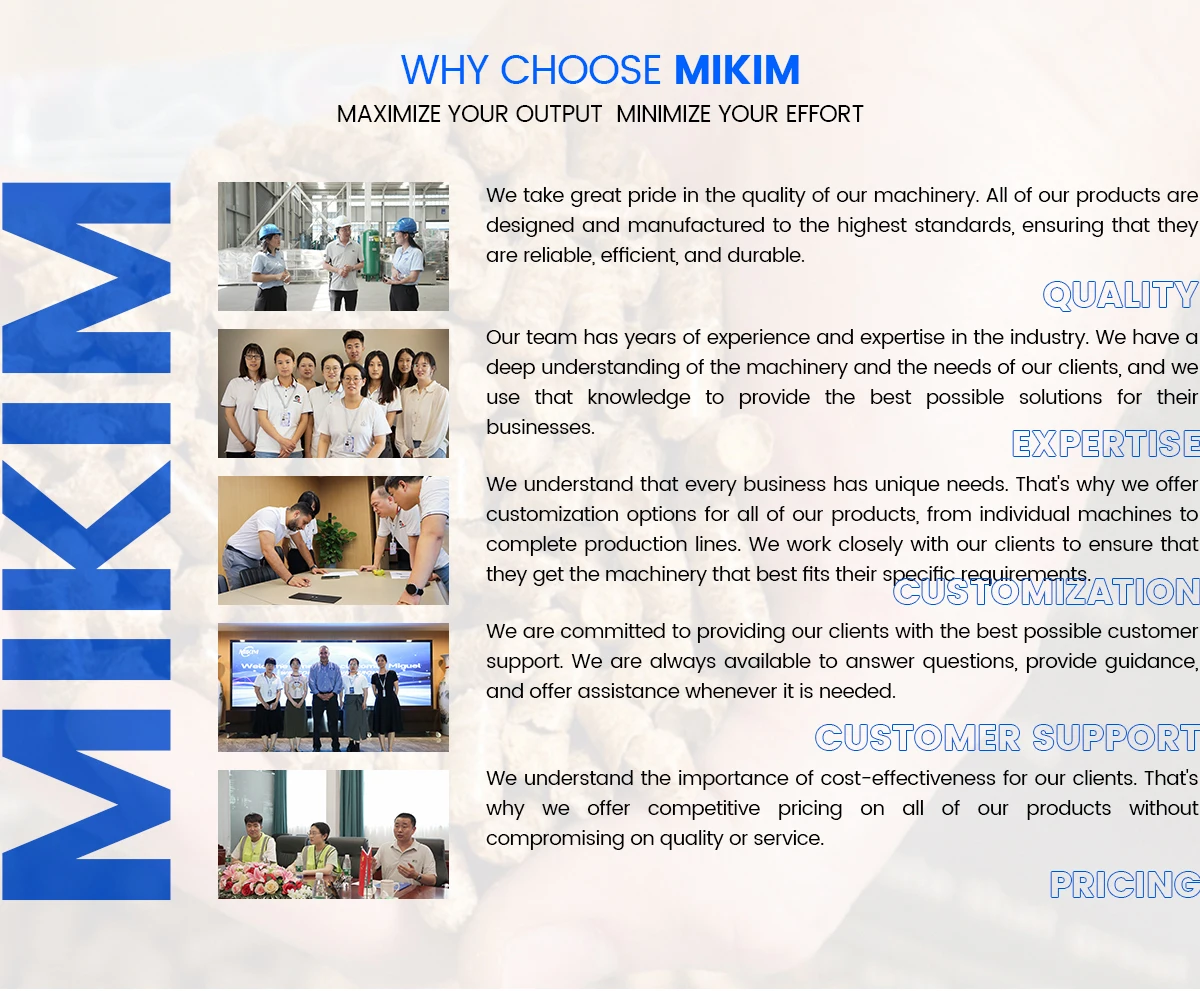
With over a decade of experience in aquatic feed engineering, MIKIM provides more than just hardware.
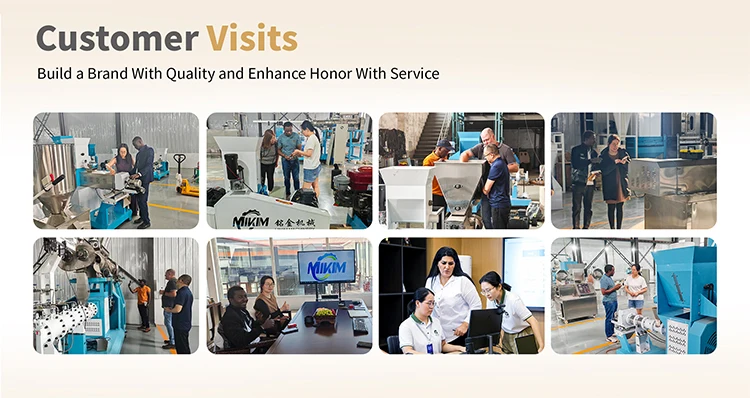
- Global Reach: We have exported to over 50 countries, including major aquaculture hubs in Southeast Asia, Africa, and South America.
- Transparency: Our factory testing videos provide a "what you see is what you get" guarantee, reducing installation risks for international buyers.
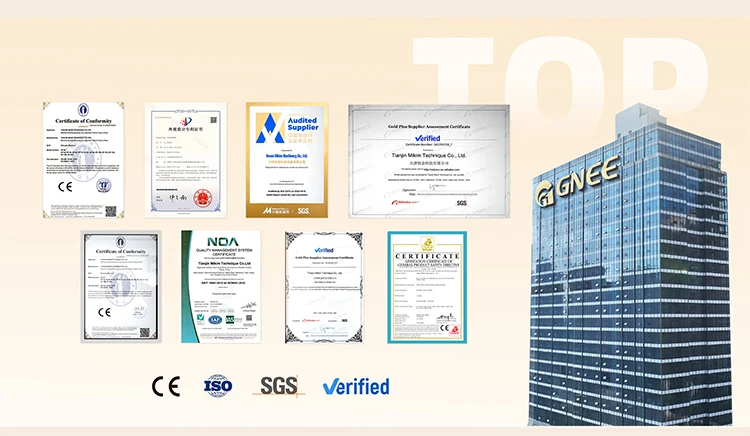
- Certification: All MIKIM twin-screw extruders are CE and ISO certified.


FAQ
Q: What is the floating rate of MIKIM twin-screw pellets?
A: Properly formulated pellets achieve a 98-100% floating rate, staying buoyant for over 12 hours.
Q: Can I produce both floating and sinking feed with the same machine?
A: Yes. By adjusting the screw configuration, formula, and moisture levels, the Wet-type Twin screw fish feed pellet maker machine can produce high-quality sinking feed for shrimp or trout.
Q: What is the typical lead time after a successful factory test?
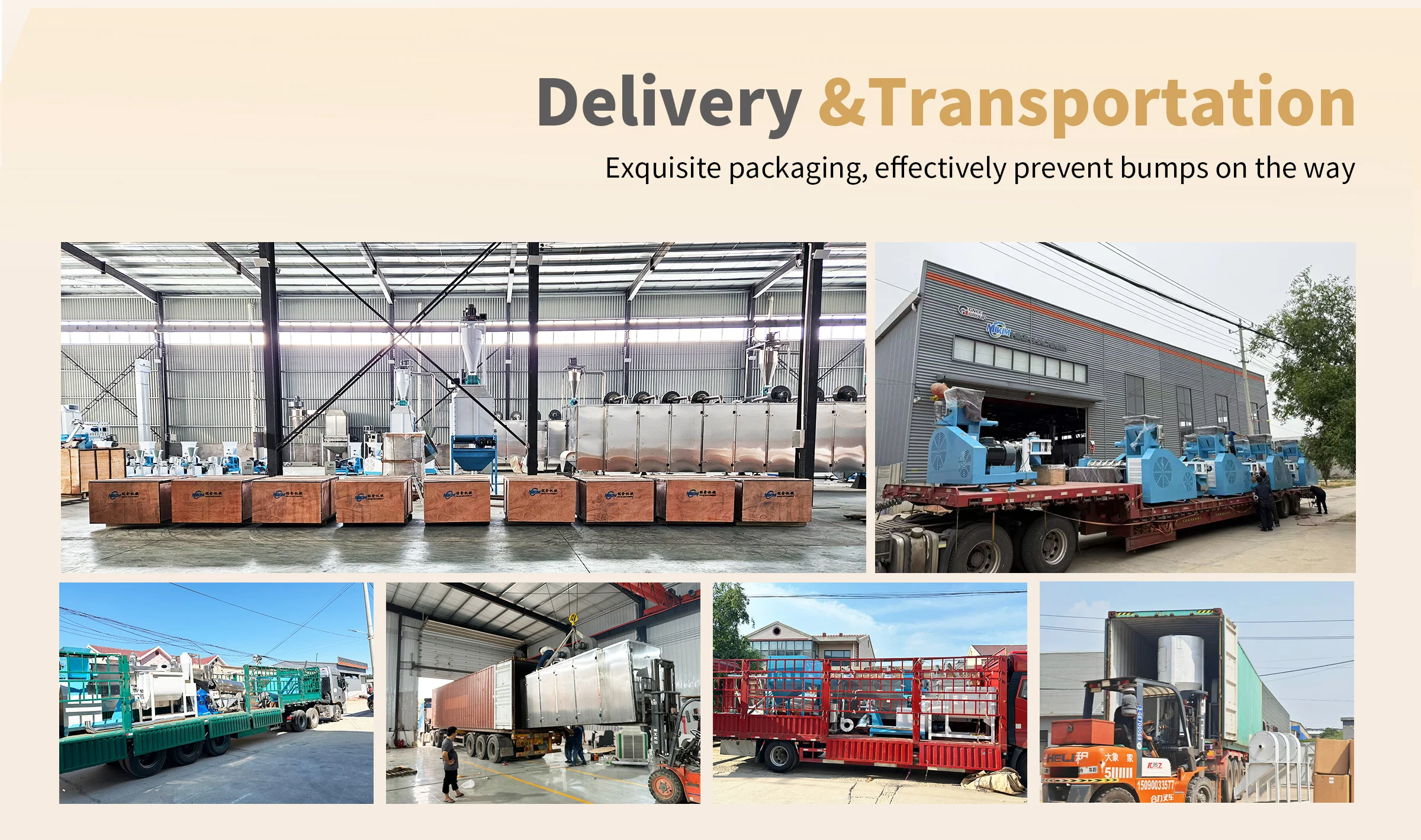
A: Once the testing video is approved by the customer, we proceed with anti-rust treatment and seaworthy packaging, typically shipping within 7-10 days.
Q: What is the smallest pellet size the MIKIM Wet-type Twin screw floating fish feed pellet maker machine can produce?
A: Our twin-screw technology allows for high precision. We can produce pellets as small as 0.8mm to 1.5mm for fish fry and shrimp, and up to 12mm or larger for big game fish. By simply changing the discharge mold (die), you can switch between different sizes in minutes.
Q: How long do the screw and die last before they need replacement?
A: This is a major concern for maintenance costs. MIKIM uses high-wear-resistant alloy steel for our screws. Under normal operation with standard raw materials, the screw service life is typically 2,000–3,000 hours, while the die can last 1,500–2,000 hours. We provide a full maintenance schedule during the factory test video.
Q: Does a Wet-type Twin screw floating fish food maker machine require a steam boiler?
A: Yes. Because it is a wet-type machine, it requires an external steam source (boiler) to supply the conditioner and the jacketed barrel. While this increases the initial investment, the energy cost per ton of feed is significantly lower than dry-type machines, and the feed quality is much higher.
Q: Can I use local raw materials like cassava, rice bran, or poultry meal?
A: Absolutely. One of the biggest advantages of a twin-screw extruder over a single-screw is its "strong adaptability." It can handle formulas with higher fiber or fat content. During our factory testing, we can use your specific local ingredients to verify the expansion and floating results.
Q: Do you provide fish feed formulations (recipes) with the Wet-type Twin-Screw floating fish feed extruder machine?
A: Yes, MIKIM provides basic starter formulations for common species like Tilapia, Catfish, and Carp. We also help customers adjust their recipes based on the testing results to ensure the best balance between nutritional value and floating performance.
Q: Is it difficult to operate the Wet-type Twin screw floating fish food extruder machine?
A: While it is more complex than a simple dry-type machine, MIKIM extruders feature an integrated PLC control system. This automates the temperature and feeding speed. In our testing video, we demonstrate how one operator can manage the entire system after 2-3 days of professional training.
Are you looking for a reliable floating fish feed production solution?
Contact MIKIM Engineers Today]for a customized quote and to view our latest factory testing videos.
Company Profile