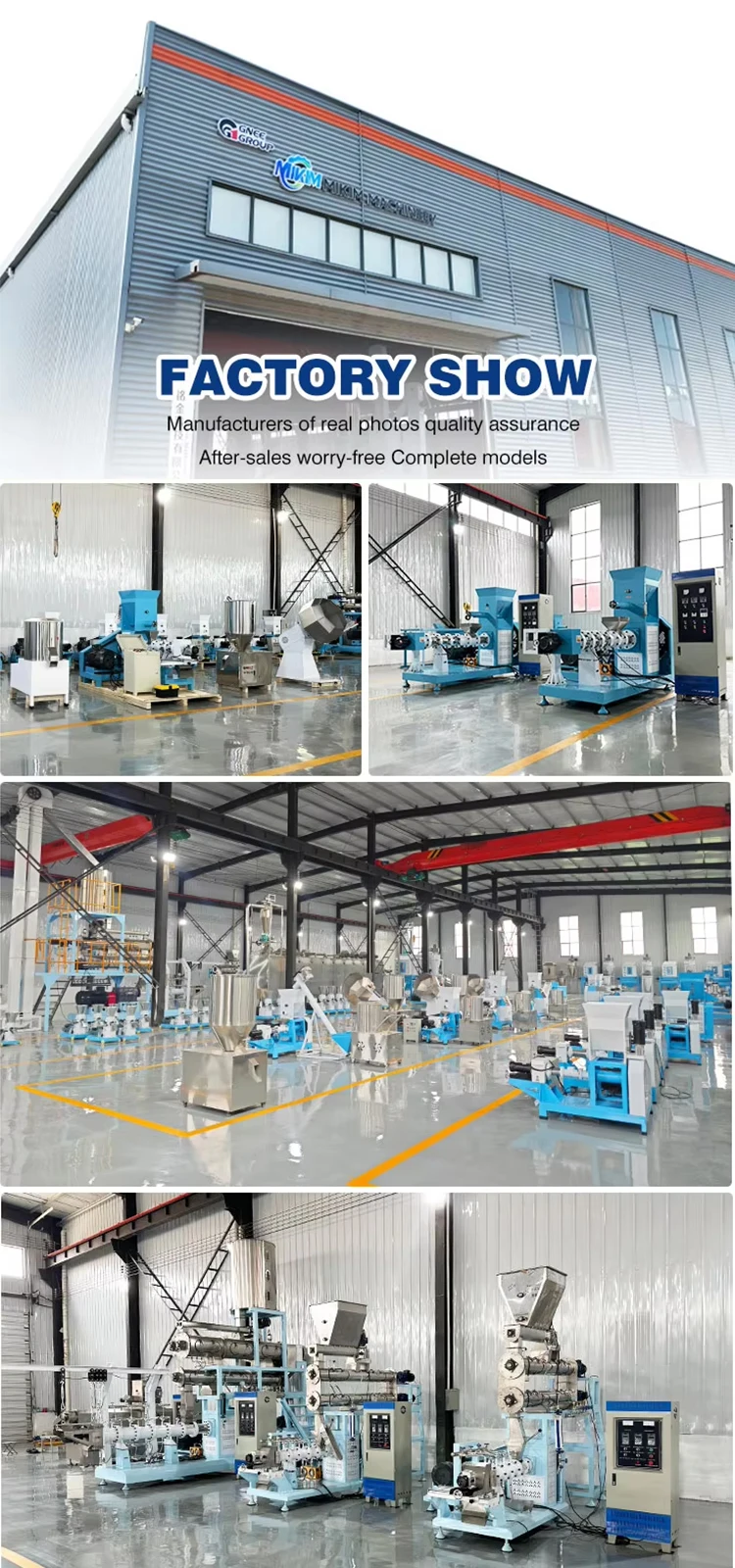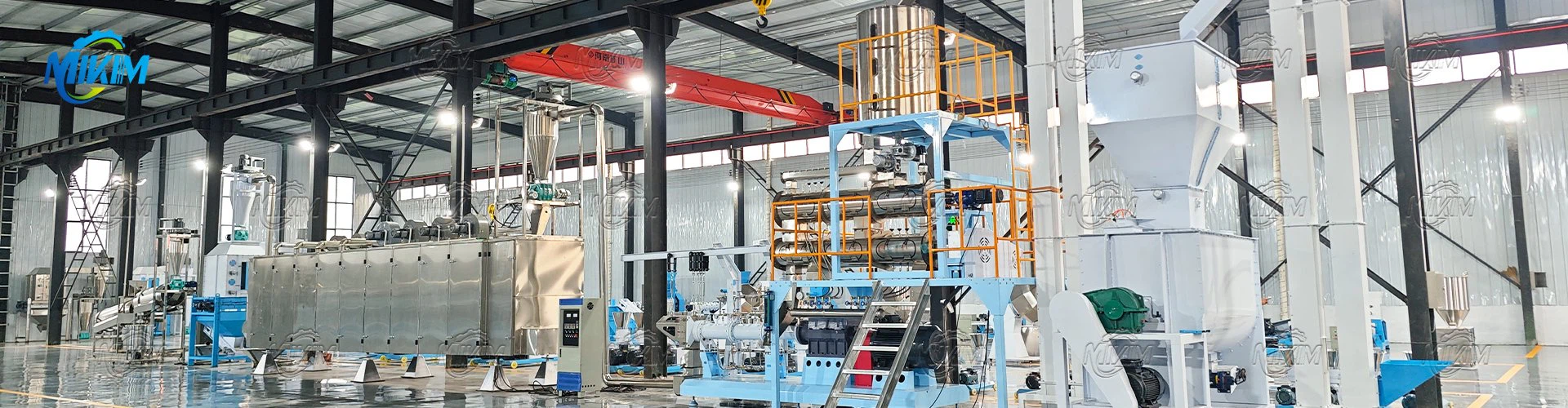
1.What Is the Testing for Our Diesel Floating Fish Feed Pellet Maker Machine?
Testing for our diesel floating fish feed pellet extruder machine refers to the real factory operation process where the machine is tested under working conditions using raw fish feed materials to verify diesel engine performance, extrusion stability, pellet quality, floating ability, and continuous production capacity before delivery.
2. Why This diesel floating fish feed pellet making machine Testing Is Important
Customers request testing because they want to confirm:
- whether diesel power output is stable under load
- if machine can run continuously without electricity
- whether floating pellets are consistent in water
- if output matches claimed capacity (kg/h)
- whether raw materials behave normally during extrusion
3. Raw Materials Used in Testing
To make testing credible, real fish feed formulas are used:
Typical materials:
- corn flour (energy base)
- soybean meal (protein source)
- fish meal (high protein additive)
- wheat bran or rice flour
- vitamin and mineral premix
4. Step-by-Step diesel floating fish food production machineTesting Process
Step 1: Diesel Engine Start and Load Check
Engine is tested for:
stable ignition
fuel combustion consistency
output torque under load
Step 2: Material Feeding Stability Test
Raw materials are fed into hopper.
Observed:
smooth feeding flow
no blockage at inlet
stable screw transportation
Step 3: Extrusion Performance Test
Inside the barrel:
high temperature generated by friction
pressure builds steadily
material expands into soft pellets
Checked:
extrusion stability
no burning or black output
continuous discharge
Step 4: Pellet Cutting and Shape Test
The cutting system is evaluated:
uniform pellet length
clean cutting edges
consistent size distribution
Step 5: Floating Test in Water
Pellets are placed in water tanks.
Observed results:
pellets float on surface
stable structure without rapid sinking
suitable for tilapia and catfish feeding
Step 6: Continuous Running Test
Machine runs for several hours under load.
Checked:
diesel engine temperature stability
vibration level
output consistency (kg/h)
screw wear behavior
5. Why diesel floating fish food pellet maker machine Is Preferred
Diesel systems are preferred because:
- no dependence on unstable electricity grids
- suitable for rural fish farms
- can operate in mobile or remote locations
- allows production close to fish ponds
6. Real Test Performance Data
| Item | Result |
|---|---|
| Machine Type | Diesel Floating Fish Feed Pellet Maker |
| Capacity | 180–500kg/h (model dependent) |
| Pellet Size | 1–6mm adjustable |
| Floating Rate | ≥90–95% |
| Raw Materials | Corn, soybean meal, fish meal |
| Operation Mode | Diesel continuous working |
| Test Duration | 3–6 hours |
7. What Customers Verify During Testing
Buyers focus on very specific details:
pellet floating time in water
noise level of diesel engine
stability under full load
ease of feeding operation
cleanliness of pellet output
8. Application Scenarios After Testing
After passing testing, the machine is suitable for:
- small and medium fish farms
- rural aquaculture projects
- mobile feed production units
- off-grid farming areas
- startup fish feed businesses
9. FAQ
Why is testing important for diesel fish feed machines?
It confirms real performance, fuel stability, and pellet quality before shipment.
Can this machine work without electricity?
Yes, it runs fully on a diesel engine.
Does the test include floating performance?
Yes, pellets are tested in water during factory testing.
Is the capacity real or theoretical?
It is verified through real factory load testing.
Company Profile