
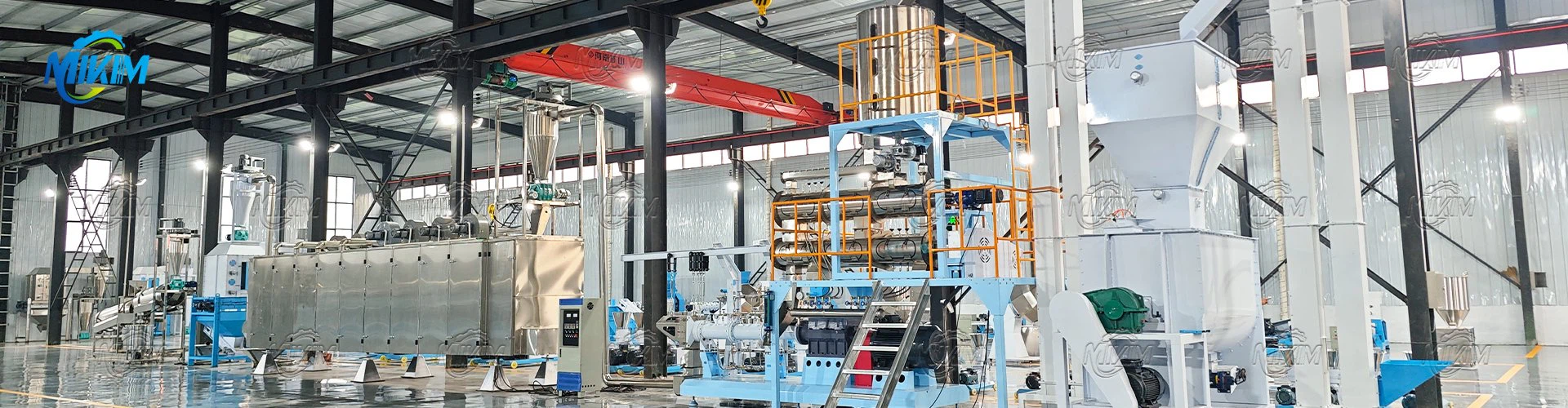
First, clarify the core principle: when using a fish feed pellet processing machine to produce animal feed, the selection of the machine must be "precisely matched to the type of livestock and the feed formulation."
content
Common Misconception 1: Improper Placement of Pet Food Manufacturing Machines. Many beginners place the equipment in damp, confined spaces (such as bathrooms) or near flammable and explosive materials, which can easily lead to short circuits and fires. Solution: Choose a dry, well-ventilated, and spacious area (such as a kitchen countertop or balcony) to place the equipment. Ensure there are no obstructions around the equipment, it is at least 30cm away from walls, and away from water and fire sources. The equipment should also be placed on a stable surface to prevent excessive vibration during operation that could cause it to shift.
Common Misconception 2: Improper Raw Material Handling. Feeding the equipment with large, uncrushed raw materials or materials containing metal impurities can easily cause mold blockage, screw wear, and even motor damage in fish feed pellet processing machines. Excessive or insufficient moisture content in the raw materials will affect the molding results. Solution: Raw materials must be crushed to 80-100 mesh and metal impurities removed using a magnetic separator. Use a moisture meter to check the humidity and control it between 12% and 15%. When using a small fish feed pellet extruder, the cooked raw materials must be cooled to room temperature before feeding them into the pellet mill to avoid burns or impaired molding due to high-temperature raw materials.
Common Misconception 3: Improperly Opening Covers During Operation. Some beginners open the material cylinder or mold cover to check the internal condition while the floating fish feed pellet making machine is running. This can easily result in scratches from high-speed rotating parts or burns from hot raw materials. Solution: Strictly adhere to the principle of "power off first, then open covers." Never open any protective covers while the equipment is running. If inspection or cleaning is necessary, press the emergency stop button first and wait for the equipment to completely stop before proceeding. When using an extruder, be aware that the extruder's outlet temperature is high (above 60℃), and avoid direct contact with the extruded material.
Common Misconception 4: Neglecting Cleaning and Maintenance of the Small Fish Feed Maker Machine. Failure to clean residual raw materials after each use can lead to mold growth and contamination of the next batch of pet food. Failure to regularly lubricate the equipment can cause accelerated wear on components. Solution: After each use, power off and allow the machine to cool. Disassemble the mold, screw, and other components, clean any residue with warm water and a soft brush, and reassemble after drying. Add food-grade grease to the bearings and transmission system every 3 days. Check the wear of the mold and screw monthly, and replace them promptly if wear is severe.
Safety Tips: Wear gloves, goggles, and other protective gear when operating fish feed production equipment. If the equipment makes abnormal noise, vibrates, or overheats, immediately disconnect the power and stop the machine. Contact the manufacturer for repair; do not attempt to disassemble it yourself. Keep children and pets away from the operating area to prevent accidents. By avoiding these common mistakes and taking safety precautions, you can safely and reliably use the small pet feed extruder machine to produce high-quality pet food at home.
Related equipment


about Us
Customer visit

Certificate of Honor

FAQ
1. What is the price of the fish feed pellet mill extruder?
The price ranges from approximately $1,500-$55,000
2. Do you provide maintenance services for your customers?
Yes, we offer comprehensive after-sales maintenance services to our customers.
If you would like to learn more about MIKIM machinery, please contact us. We offer one-stop service and welcome your inquiries!!!