
content
Temperature Parameters: Balancing Extrusion and Nutrient Retention
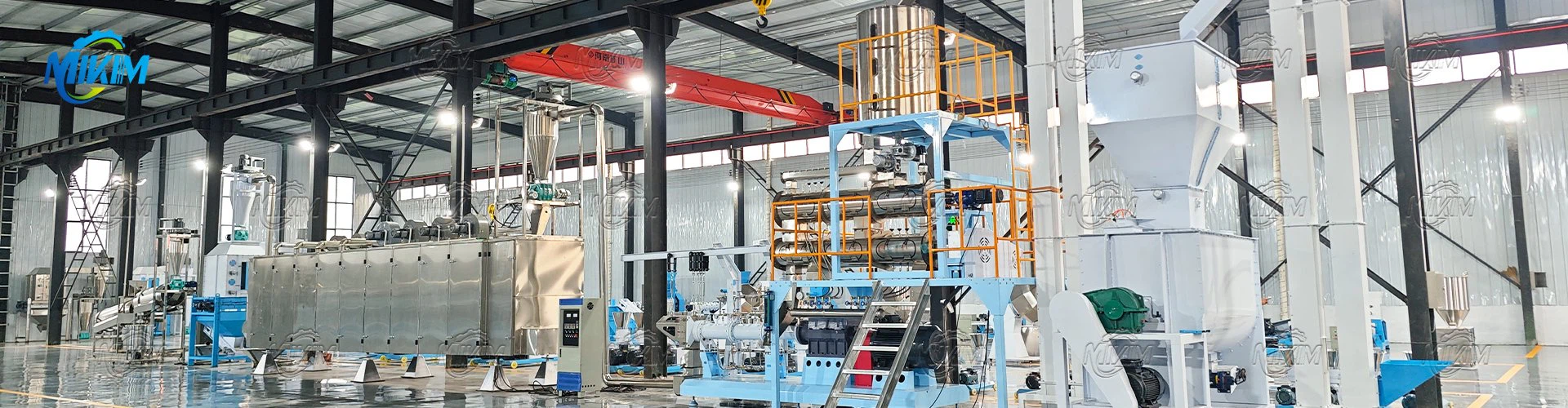
The temperature control of the wet dog food maker machine needs to be adapted to the characteristics of the raw materials and the type of dog food. For regular dog food, it is recommended to control the temperature between 110-140℃. This temperature range allows the starch gelatinization degree to reach over 75%, ensuring the pellets are firmly formed while minimizing the loss of heat-sensitive nutrients such as vitamins and unsaturated fatty acids. Puppy food requires a lower temperature of 80-100℃, combined with a wet extrusion process, to avoid high temperatures destroying easily digestible nutrients. Adult dog food can be heated to 130-150℃ to enhance the pellets' chewability. It is important to ensure that temperature fluctuations do not exceed ±5℃, otherwise some pellets may burn or be under-expanded. Regular calibration of the temperature sensor is recommended to ensure accuracy.


Pressure and Speed: Synergistically Optimizing Pellet Quality
Pressure needs to be matched with temperature, maintained at 3-5 MPa. Excessive pressure will result in overly hard pellets with poor palatability and may also accelerate wear on the wet pet food pellet machine screw; insufficient pressure will result in loose, easily crumbling pellets with poor storage life. The screw speed should be controlled between 250-350 rpm. Too high a speed will shorten the residence time of the raw material in the extrusion chamber, resulting in incomplete puffing; too low a speed will easily cause the raw material to burn, increasing the extruder's energy consumption. For different dog food sizes, the speed can be finely adjusted: for small dog food, increase the speed to 320-350 rpm for finer kibble; for large dog food, reduce the speed to 250-280 rpm to increase kibble hardness.


Abnormal parameters in the wet pet food making machine: Quick troubleshooting and adjustment
If the dog food kibble cracks or breaks easily, it's usually due to excessively high temperature or excessively high speed. The temperature needs to be lowered by 5-10℃ and the speed reduced by 20-30 rpm. If the kibble is severely sticky or the die is clogged, the temperature is too low or the raw material moisture content is too high. The temperature needs to be increased by 5-8℃ and the raw material moisture content adjusted to 12%-14%. During production, kibble quality should be sampled and tested every 30 minutes, and extruder parameters should be monitored simultaneously to ensure dynamic balance and prevent the malfunction from escalating.
about Us
Customer visit

Certificate of Honor

FAQ
1. What is the price of the single screw fish feed making machine?
The price ranges from approximately $1,500-$55,000
2. Do you provide maintenance services for your customers?
Yes, we offer comprehensive after-sales maintenance services to our customers.
If you would like to learn more about MIKIM machinery, please contact us. We offer one-stop service and welcome your inquiries!!!