
content
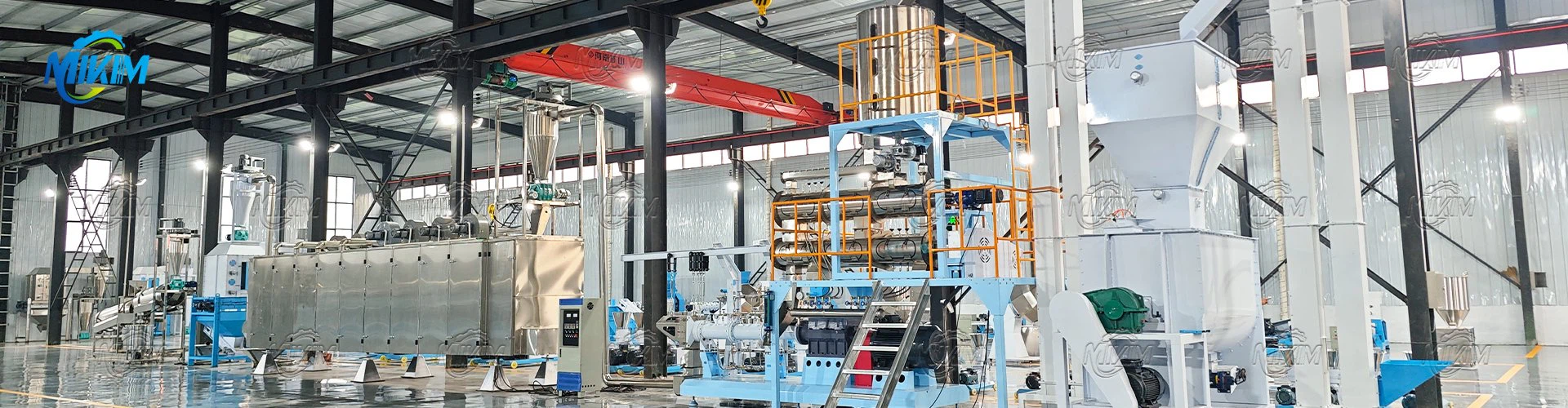
Essential Check Point 1: Compatibility of Core Parameters for Sinking Fish Feed Making Machines
Before selecting a machine, it's crucial to clarify the three core parameters of the extruder: temperature, pressure, and speed, ensuring compatibility with the specifications of the fish feed being produced. First, check the temperature control range. A high-quality twin-screw extruder should support stepless adjustment from 120-160℃, adapting to the production needs of 1-2mm juvenile fish feed (120-130℃) and 3-5mm adult fish feed (140-150℃). Temperature control accuracy should reach ±2℃ to avoid uneven pellet maturation due to temperature deviations. Second, check the pressure adjustment range, which should cover 4-6MPa to ensure the extrusion requirements of different formulas and raw materials. Finally, check the screw speed adjustability, which should support stepless speed adjustment from 300-380r/min, synchronized with the pellet mill's feed rate and cutter speed. This is crucial for ensuring pellet uniformity.

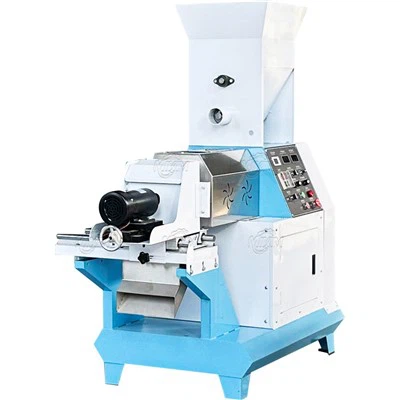
Essential Check Point 2: Material and Wear Resistance of Core Components for Floating Fish Food Production Machines
The screw and barrel, as core and easily worn components of an extruder, directly determine the equipment's lifespan and maintenance costs, and must be carefully checked before selection. High-quality models should use bimetallic composite materials or alloy steel, with surfaces treated for wear resistance such as nitriding and laser cladding. Wear should be controlled within 12μm/3000 hours, and the service life should be no less than 30,000 hours. Simultaneously, the screw pitch design should be checked; a variable pitch structure is required to ensure smooth transitions between feeding, compression, extrusion, and discharge stages, preventing material blockage. The barrel should be made of 304 stainless steel, possessing corrosion resistance and high-temperature resistance to prevent material contamination and component corrosion, which also meets the core requirements of the "Hygienic Standards for Aquatic Feed Production."


Key Check Point 3: Energy Consumption and Environmental Performance of Homemade Dog Food Makers
Considering current trends in environmental protection and energy conservation, as well as long-term production cost control requirements, the energy consumption of the extruder must be checked before selection. Small extruders (100-200 kg/hour) should consume ≤80 kWh per ton, and medium-sized extruders (300-500 kg/hour) should consume ≤75 kWh per ton to avoid high-energy-consuming equipment increasing future electricity costs. Simultaneously, environmental performance should be checked, requiring effective dust collection and noise control devices. Noise levels should be ≤75 decibels, and dust emissions should meet industry standards to avoid production disruptions due to non-compliance with environmental regulations. Furthermore, the energy-saving design of the extruder, such as permanent magnet synchronous motors and intelligent temperature control energy-saving systems, should be checked to further reduce long-term operating costs and align with the EEAT algorithm's requirements for timeliness and practicality.
about Us
Customer visit

Certificate of Honor

FAQ
1. What is the price of the Automatic Dog Food machine?
The price ranges from approximately $1,500-$55,000
2. Do you provide maintenance services for your customers?
Yes, we offer comprehensive after-sales maintenance services to our customers.
If you would like to learn more about MIKIM machinery, please contact us. We offer one-stop service and welcome your inquiries!!!