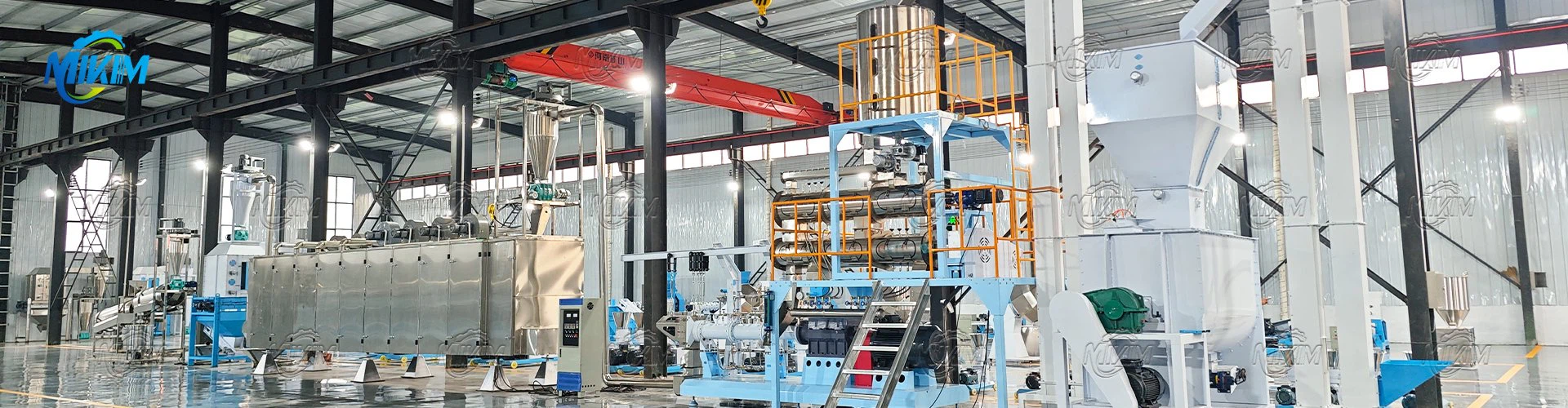
A Floating aquatic feed pellet making machine uses high-temperature, high-pressure technology to produce floating pellets. Floating feed has a higher utilization rate and lower waste compared to sinking feed, making it increasingly popular in aquaculture. For investors, choosing a high-efficiency machine is crucial for long-term returns.
Featured Snippet (Quick Answer)
Is investing in a floating fish food pellet maker machine profitable?
Yes, investing in Floating aquatic feed pellet extruders can be profitable due to high market demand, lower feed waste, and higher feed utilization. The production cost is relatively low, especially with stable raw material prices. Choosing high-quality equipment with high production efficiency can increase profit margins and ensure long-term returns.
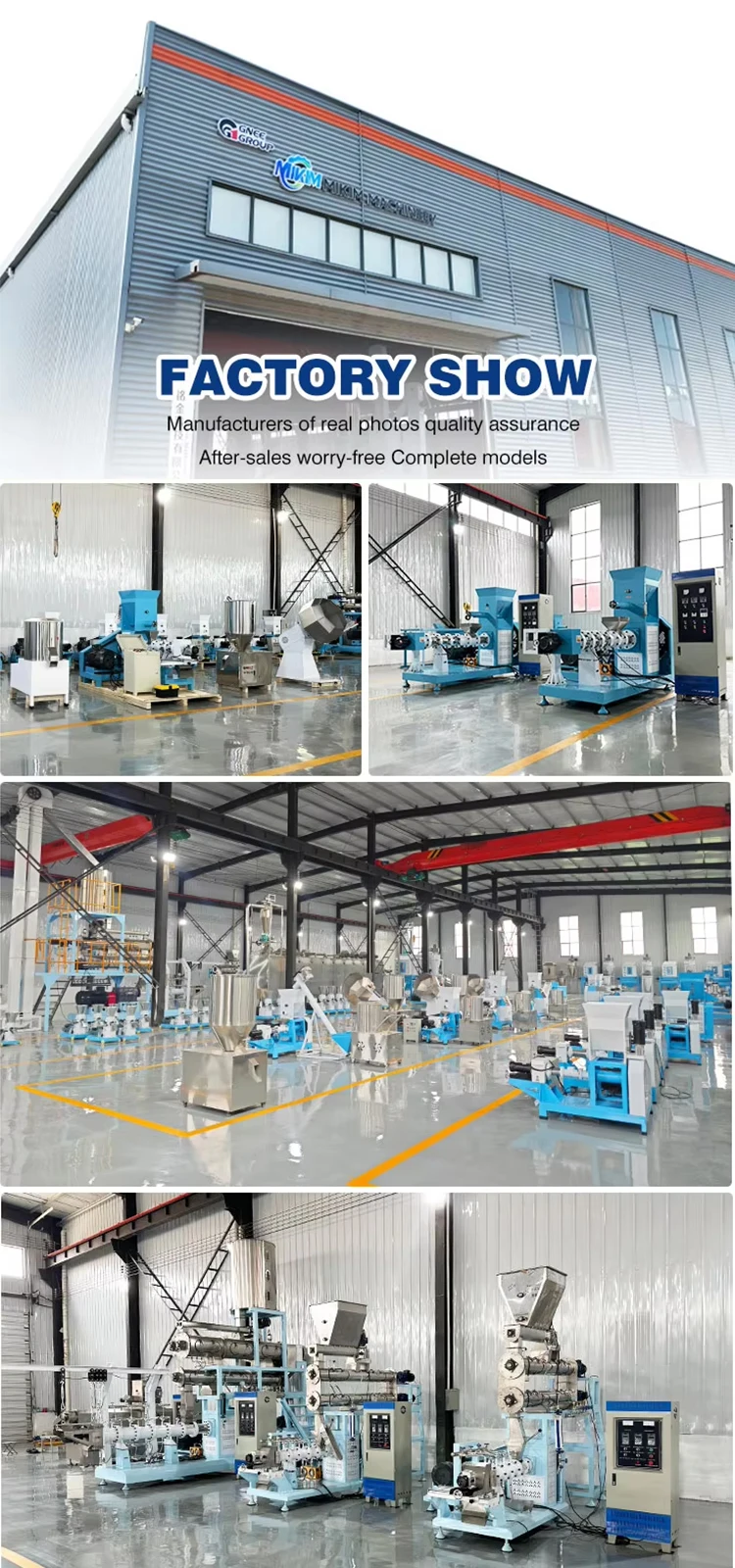
Aquatic feed pellet mill Factory Trial Run
Details
I. Why Is Floating Fish Feed in High Demand?
Problem: The growing aquaculture industry needs efficient feed solutions.
Solution:
Floating fish feed is preferred because it reduces feed waste and improves feed conversion rates.
It also allows farmers to observe fish feeding behavior, enhancing feeding management.
Effect: Strong market demand in large-scale aquaculture, driving growth in the fish feed extruder market.
II. What Are the Costs of floating fish food production machine?
Problem: Equipment costs can vary, impacting investment decisions.
Solution:
Small floating fish feed pellet extruder machines have a lower upfront cost and are suitable for startups.
Large-scale production lines have higher initial costs but reduce unit output costs.
Raw materials like corn flour, soybean meal, and fish meal are stable in price.
Effect: Lower production costs over time, making it a cost-effective investment in the long run.
III. How Profitable Is Floating Fish Feed Production?
Problem: Will floating feed production provide a good return on investment?
Solution:
Higher market value for floating feed compared to sinking feed.
Less feed waste improves profitability by enhancing feed utilization.
Floating feed stays in the water longer, reducing nutrient loss and promoting fish growth.
Effect: Higher product value and greater profit margins, resulting in better ROI.
IV. How Does Production Efficiency Impact Profits?
Problem: Poor production efficiency reduces profitability.
Solution:
A high-efficiency small fish feed pellet mill produces more quality feed per unit of time.
Stable operation reduces downtime and improves production continuity.
Optimized processes (scheduling raw materials and equipment time) enhance overall capacity.
Effect: Lower unit costs and higher production efficiency, improving profitability.
V. What Are Key Strategies for Reducing Investment Risks?
Problem: How to mitigate risks in floating fish feed production?
Solution:
Select the right product type and capacity based on market demand to avoid over-investing.
Maintain equipment regularly to reduce failure rates.
Diversify product offerings to meet varied customer needs.
Effect: Reduced risks and improved profit stability in a competitive market.
VI. Why Choose a High-Quality Automatic Floating Fish Feed Making Machine?
Problem: Will low-quality equipment affect long-term profitability?
Solution:
High-quality extruders offer better extrusion effects, more stable performance, and lower energy consumption.
They maintain uniform pellet size and improve the floating time of pellets.
Reliable equipment suppliers provide after-sales service and technical support.
Effect: Stable performance leads to higher profitability, reduced risks, and lower operational costs.
Expanded FAQ
1. Why is floating fish feed preferred in aquaculture?
Floating feed allows farmers to observe fish feeding behavior, reduces waste, and improves feed conversion rates.
2. What are the initial costs of ffloating fish food pellet maker machines?
Small electric fish feed extruder machines have lower costs, while large-scale machines have higher initial costs but provide lower unit output costs.
3. How does floating feed contribute to higher profitability?
Floating feed has higher market value, stays in water longer, and reduces nutrient loss, which improves growth and feed utilization.
4. What makes high-quality fish feed extruders a good investment?
The best floating fish food production machines offer stable performance, lower energy consumption, and better product quality, ensuring higher ROI and reduced operational risks.
5. How does production efficiency affect profitability?
Efficient mini fish feed pellet making machines produce more quality feed per unit of time, reducing costs and improving profit margins.
Company Profile