
content
Troubleshooting Point 1: Extruder and Pelletizer Parameters Disconnected, Pelletizing Failure
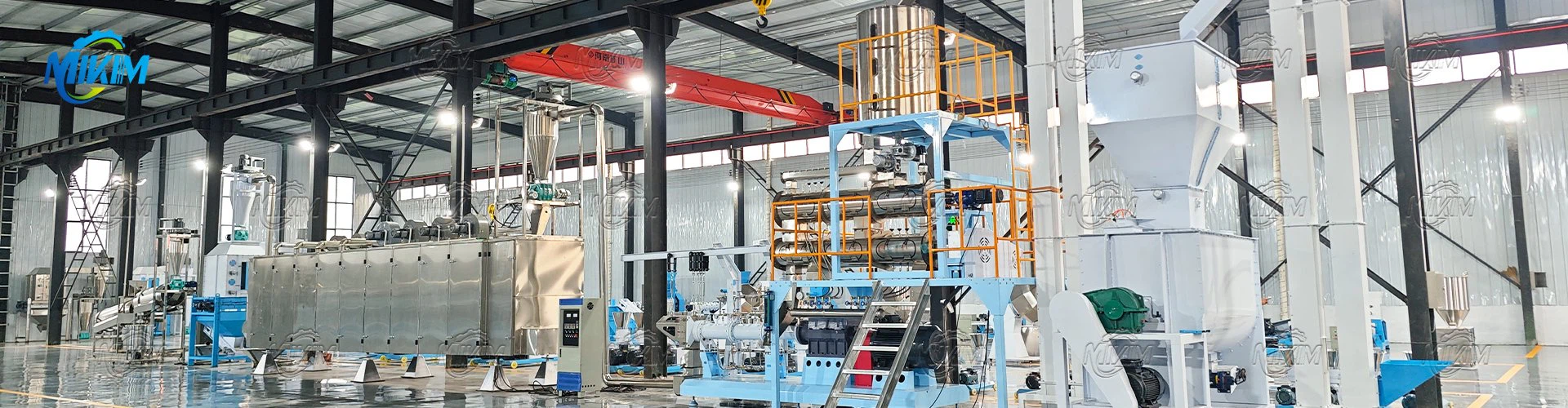
Under normal circumstances, the parameters of the dog food extruder and twin-screw extruder must be precisely matched (extruder temperature 120-160℃, pressure 4-6MPa; pelletizer feed rate and cutter speed synchronized). If the pelletizer malfunctions, the parameters of the two will become disconnected. The most obvious manifestation is that the extruded and cooked material entering the pelletizer cannot be formed or forms very poorly. For example, if the extruder parameters are normal (fully cooked), but the pet food making machine outputs no pellets, only powder, or loose pellets that crumble easily, it is highly likely that the pelletizer die head is clogged, the pressure rollers are severely worn, or the feed rate adjustment mechanism is malfunctioning, preventing effective extrusion and forming of the extruded material. Actual test data shows that if this type of linkage anomaly is not investigated in time, it can lead to an increase in raw material loss rate of more than 25%.

Troubleshooting Point 2: Abnormal Noise and Severe Vibration During Linked Operation
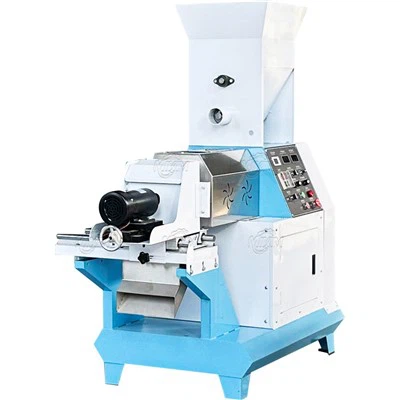
When the dog food pellet making machine is running in conjunction with the extruder, the normal noise level should be below 75 decibels, with smooth operation and no significant vibration. If sharp, abnormal noises or increased vibration occur, and the noise and vibration mainly originate from the pelletizing machine, it indicates a malfunction in the pelletizing machine. This type of abnormality is often caused by eccentricity of the pelletizing machine's pressure rollers, gear wear, or loosening of the linkage shaft with the extruder. This leads to poor material conveying, uneven force during pelleting, and consequently, large particle size deviations and breakage. Simultaneously, severe vibration will be transmitted to the extruder, indirectly causing accelerated wear on the extruder screw, creating a chain reaction of "pelletizing machine malfunction → extruder damage," further amplifying losses.

Troubleshooting Techniques: Check the linkage first, then pinpoint the fault
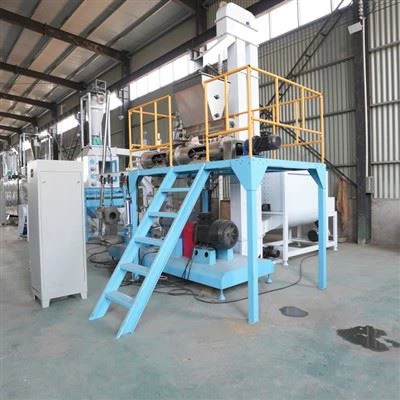
Step 1: First, confirm that the parameters of the dog food pellet extruder machine are normal (temperature, pressure, speed). If the extruder is operating normally, then focus on troubleshooting the pellet mill.
Step 2: Check the linkage between the pellet mill and the extruder. Check if the linkage shaft is loose and if the seal is good. If loose, tighten it immediately.
Step 3: Disassemble the pet food extrusion machine die and pressure roller. Check if the die orifice is blocked and if the pressure roller is worn (wear exceeding 0.3mm indicates a fault). Also check the feed rate adjustment mechanism to confirm if there are any jamming or adjustment malfunctions. Step 4: Perform an idle linkage test. Start the pellet mill and extruder separately and observe the linkage operation. If noise and vibration persist, the faulty part of the pellet mill can be identified.
about Us
Customer visit

Certificate of Honor

FAQ
1. What is the price of the small cat feed extruder machine?
The price ranges from approximately $1,500-$55,000
2. Do you provide maintenance services for your customers?
Yes, we offer comprehensive after-sales maintenance services to our customers.
If you would like to learn more about MIKIM machinery, please contact us. We offer one-stop service and welcome your inquiries!!!