What Is a Small Floating Fish Feed Pellet Machine?
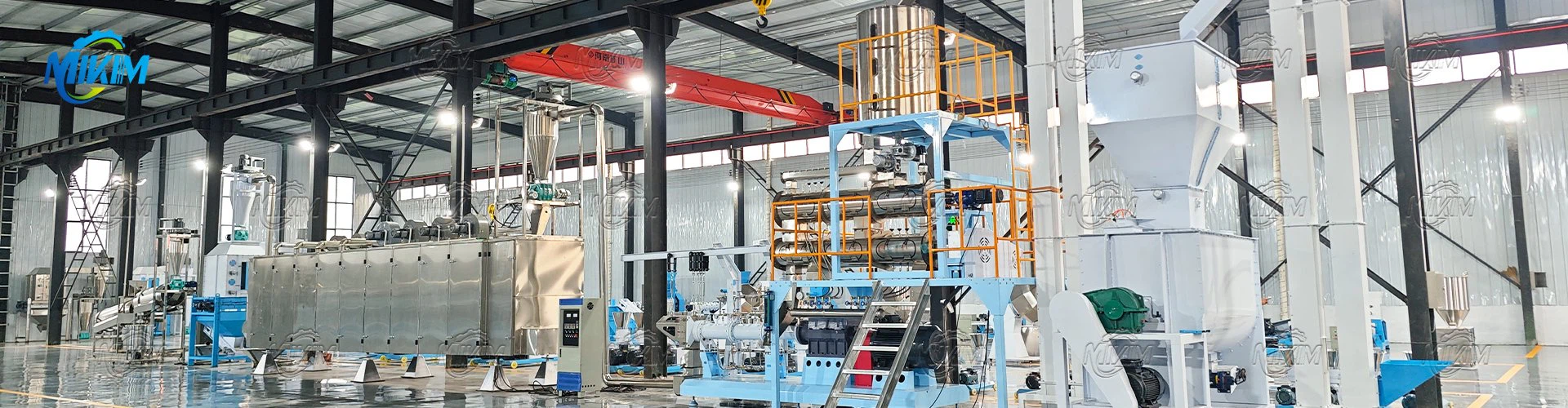
A small fish feed extruder machine is a compact extrusion system designed for home or small farm use. It uses heat and pressure to convert powdered feed materials into floating pellets.
It is commonly used for:
Home fish farms
Backyard aquaculture
Small catfish ponds
Aquarium fish feed production
Startup feed businesses
👉 Unlike industrial feed plants, it requires less space, lower power, and simpler operation.
Why Make Fish Feed at Home?
Lower Feed Cost
Commercial fish feed is expensive in many regions. Home production reduces cost by using local raw materials.
Full Formula Control
Farmers can adjust protein, energy, and vitamins based on fish growth stage.
Fresh Feed Production
Freshly made feed improves fish appetite and growth rate.
Business Opportunity
Small-scale production can also become a local feed supply business.
Raw Materials for Home Fish Feed Production
Common ingredients include:
- Corn flour (energy source)
- Soybean meal (protein source)
- Fish meal (high protein)
- Wheat flour (binder)
- Rice bran (fiber)
- Cassava flour (starch)
- Vitamin premix
- Fish oil (energy and taste enhancer)
👉 Proper balance is important for floating performance and fish health.

Step-by-Step: How to Process Floating Fish Feed Pellets at Home
Step 1: Crush Raw Materials
All raw materials must be ground into fine powder.
Recommended:
60–80 mesh for small fish feed
Fine powder improves floating performance
Step 2: Mix Feed Ingredients Evenly
Use a mixer or manual mixing container.
Key points:
Mix protein, energy, and additives evenly
Avoid clumping
Ensure uniform color and texture
👉 Poor mixing leads to uneven pellet quality.
Step 3: Adjust Moisture Content
Ideal moisture level:
20% – 25%
If too dry:
Pellets may crack
If too wet:
Pellets may sink or deform
Step 4: Start small floating fish feed extruder machine
Before feeding materials:
Turn on machine
Let it run empty for 1–2 minutes
Check rotation direction
Then gradually feed mixed materials.
Step 5: Pellet Extrusion Process
Inside the machine:
High temperature gelatinizes starch
Pressure shapes pellets
Expansion creates floating structure
👉 This is the key step for floating fish feed production.
Step 6: Cut and Shape Pellets
Adjust cutter blade to control:
Pellet length
Uniform size
Common sizes:
1mm–3mm (small fish)
4mm–6mm (larger fish)
Step 7: Dry and Cool Pellets
Fresh pellets contain moisture and heat.
Drying methods:
Sun drying (small farms)
Electric dryer (better quality)
Cooling ensures:
Longer storage life
Better hardness
Stable floating performance
Step 8: Store Properly
Keep in dry environment
Avoid humidity
Use sealed bags
Common Fish Feed Production Problems and How to Solve Them
Q1: Why are my fish feed pellets sinking instead of floating?
Cause:
Too much oil or protein
Low starch content
Solution:
Increase corn or cassava flour
Reduce oil before extrusion
Q2: Why are pellets breaking easily after production?
Cause:
Low moisture level
Poor binding ingredients
Solution:
Adjust moisture to 20–25%
Add more wheat flour or starch
Q3: Why does the small fish feed maker machine get blocked during operation?
Cause:
Raw materials too coarse
Moisture too high
Solution:
Re-grind materials finer
Reduce water content
Q4: Why is pellet size uneven?
Cause:
Cutter blade misalignment
Uneven feeding speed
Solution:
Adjust cutter position
Feed materials consistently
Q5: Why is the small fish feed making machine vibrating strongly during use?
Cause:
Loose parts or uneven installation
Worn screw or die
Solution:
Tighten machine bolts
Check and replace worn parts
How to Improve Floating Fish Feed Quality at Home: Practical Tips?
- Always grind materials finely
- Maintain balanced formula (protein + starch)
- Do not overload machine
- Clean machine after each use
- Replace worn die regularly
👉 These small adjustments greatly improve floating performance.
Conclusion
A small fish feed pellet machine makes it possible to produce floating fish feed at home efficiently and economically. With the right raw materials, proper moisture control, and correct machine operation, users can achieve stable floating pellets suitable for fish farming or small feed business development.
This method helps reduce feed costs, improve fish growth performance, and even create new income opportunities in the aquaculture sector.
FAQ
Q1: Why do floating fish feed pellets sink after extrusion?
Usually caused by insufficient starch or excessive oil content. Adjust formula and increase binding materials.
Q2: Why does the small fish food making machine produce powder instead of pellets?
This is often due to low moisture or poor mixing. Improve water ratio and mixing uniformity.
Q3: Why does the small floating fish feed making machine stop suddenly during production?
Caused by overload or blockage. Reduce feeding speed and check raw material size.
Q4: Why are pellets uneven in shape and size?
Cutter misalignment or unstable feeding speed. Adjust blade and maintain steady feeding.
Q5: Why does the small fish feed pellet making machine produce low output?
Worn screw or die or incorrect material moisture. Inspect parts and adjust feed preparation.
Company Profile