
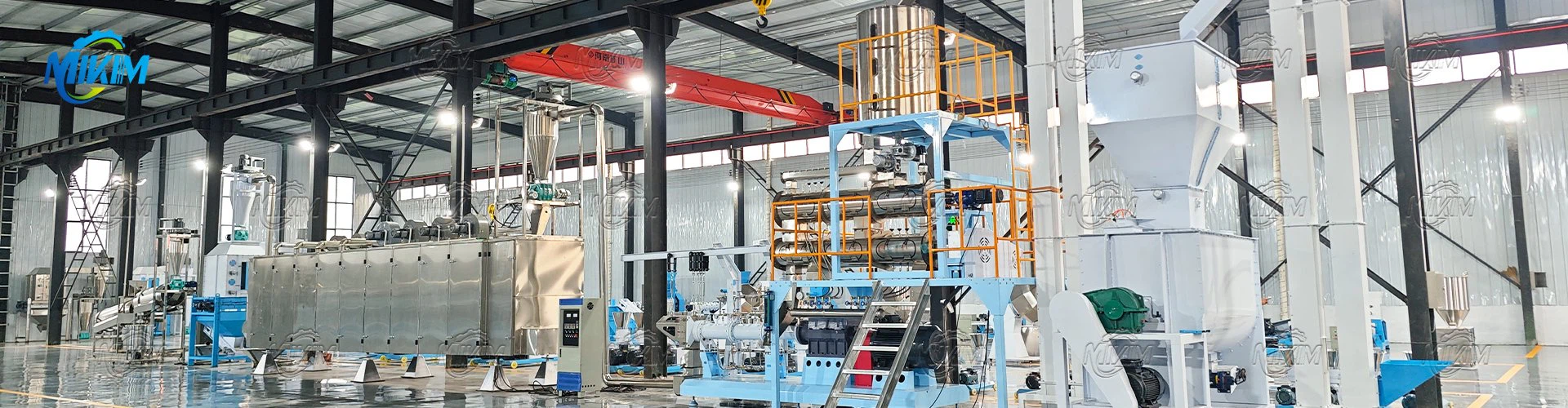
1. Determine the feed formula. According to factors such as animal species, growth stage and nutritional requirements, formulate a reasonable feed formula. You can use professional feed formula software or consult a professional feed formulator to help you formulate the formula.
2. Select the right ingredients. According to the formula requirements, select ingredients with good quality, easy to digest and absorb, such as high-quality protein, carbohydrates, fats and vitamins. At the same time, ensure that the ingredients are free of impurities and foreign matter.
3. Prepare the ingredients tools and equipment. You need to prepare some basic tools and equipment, such as scales, mixers, conveyor belts, feed pellet machines, etc. Make sure these tools and equipment are clean and free of pollution.

| Model | Capacity | Power | Dimension | Weight |
| 125 | 80-100kg/h | 3kw | 110*35*70 cm | 95 kg |
| 150 | 120-150kg/h | 4kw | 115*35*80cm | 100 kg |
| 210 | 200-300kg/h | 7.5kw | 115*45*95cm | 300 kg |
| 260 | 500-600kg/h | 15kw | 138*46*100cm | 350 kg |
| 300 | 700-800kg/h | 22kw | 130*53*105cm | 600 kg |
| 360 | 900-1000kg/h | 22kw | 160*67*150cm | 800 kg |
| 400 | 1200-1500kg/h | 30kw | 160*68*145cm | 1200 kg |
4. Weigh and mix the ingredients. Use a scale to accurately weigh each ingredient, and then put the various ingredients into the mixer for mixing. The mixing should be fully uniform to ensure that the various ingredients are fully integrated.
5. Feed the mixed ingredients into the feed pellet machine.
6. Produce feed pellets. Start the feed pellet machine and start producing feed pellets. During the production process, the quality and output of feed pellets should be checked at any time, and if there are any problems, the parameters should be adjusted in time.
In short, correct ingredients are one of the key factors in producing high-quality feed pellets.