
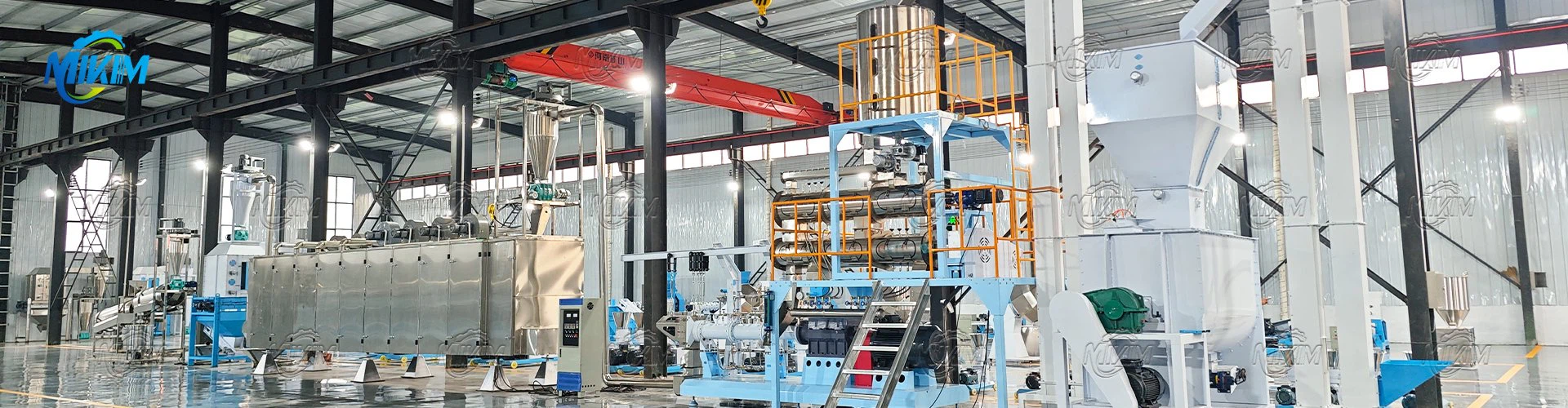
The feed pellet machine is an important equipment in agricultural production. By making feed raw materials into pellets, the palatability and nutritional value of the feed are improved, thereby improving the production performance of animals. The correct proportion of ingredients is the key to ensuring the normal operation of the feed pellet machine and the quality of feed.
Determination of the proportion of ingredients in the feed pellet machine
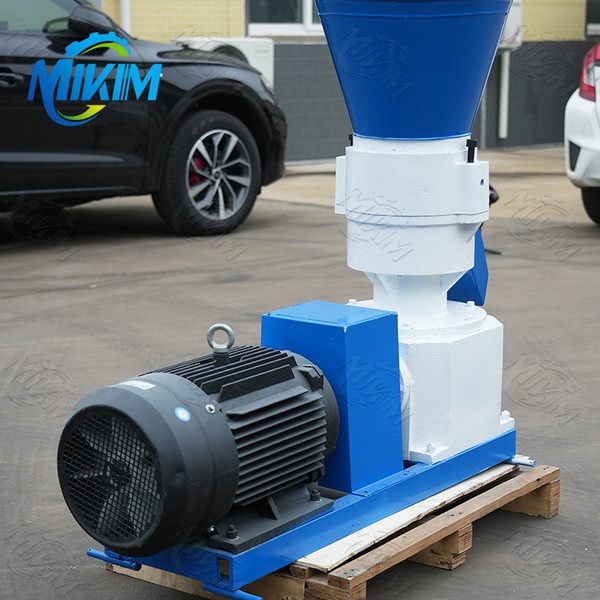
| Model | Capacity | Power | Dimension | Weight |
| 125 | 80-100kg/h | 3kw | 110*35*70 cm | 95 kg |
| 150 | 120-150kg/h | 4kw | 115*35*80cm | 100 kg |
| 210 | 200-300kg/h | 7.5kw | 115*45*95cm | 300 kg |
| 260 | 500-600kg/h | 15kw | 138*46*100cm | 350 kg |
| 300 | 700-800kg/h | 22kw | 130*53*105cm | 600 kg |
| 360 | 900-1000kg/h | 22kw | 160*67*150cm | 800 kg |
| 400 | 1200-1500kg/h | 30kw | 160*68*145cm | 1200 kg |
1. Feed type: Different animals have different feed types, and the feed type needs to be determined according to the type and growth stage of the animal.
2. Ingredient ratio: Generally speaking, the proportions of roughage, concentrate feed, additives and minerals in the feed formula are 40%, 30%, 20% and 10% respectively. However, the specific proportion needs to be adjusted according to different animal species and growth stages. For example, the proportion of protein needs to be increased due to rapid growth in the cub period.
3. Nutritional requirements: Different animals have different nutritional requirements, and the feed formula needs to be determined according to factors such as the growth stage and gender of the animal.
Raw material selection: Choose high-quality feed raw materials and avoid using expired or harmful substances.
Crushing: Feed raw materials need to be crushed to better enter the feed pellet machine.
Cleaning equipment: Feed pellet machines need to be cleaned and maintained regularly to avoid contamination from impurities and bacteria.