
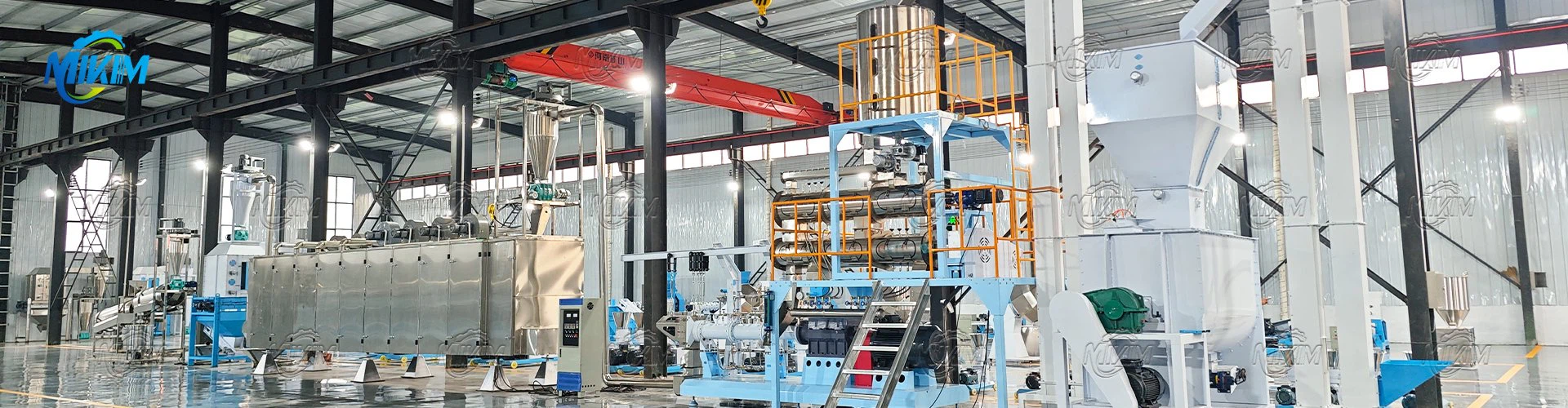
In actual production, due to the influence of various factors, the roller of the pellet machine often needs to be adjusted. The purpose of adjusting the roller of the pellet machine is:
1. Control the shape and size of the pellets: By adjusting the pressure and gap of the roller, the shape and size of the pellets can be controlled to meet the needs of different products.
2. Improve the density and hardness of the pellets: By increasing the pressure of the roller, the density and hardness of the pellets can be increased, making the product stronger and more durable.
3. Ensure the stability and continuity of production: By adjusting the roller of the pellet machine, the stability and continuity of production can be ensured, the production efficiency can be improved, and the scrap rate can be reduced.
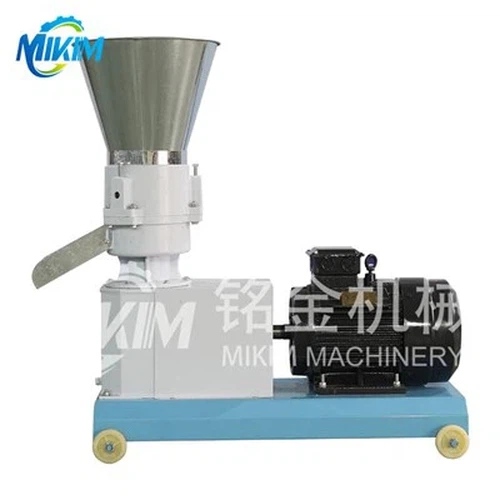
| Model | Capacity | Power | Dimension |
| 125 | 80-100kg/h | 3kw | 110*35*70 cm |
| 150 | 120-150kg/h | 4kw | 115*35*80cm |
| 210 | 200-300kg/h | 7.5kw | 115*45*95cm |
| 260 | 500-600kg/h | 15kw | 138*46*100cm |
| 300 | 700-800kg/h | 22kw | 130*53*105cm |
II. Adjustment method of the roller of the pellet machine
1. Manual adjustment: Manual adjustment is suitable for small-scale and small-batch production. The specific method is as follows:
(1) Turn off the power of the pellet machine and ensure that the equipment is in a shutdown state.
(2) Remove the roller protection cover and loosen the fixing screws on both sides of the roller.
(3) Use a wrench or open-end pliers to adjust the position of the roller to the required gap. Be careful to keep the gap between the rollers on both sides consistent.
(4) After the adjustment is completed, re-tighten the screws and install the protective cover.
(5) Start the machine for trial operation and check the adjustment effect.
2. Automatic adjustment: Automatic adjustment is suitable for large-scale, continuous production. The specific method is as follows:
(1) Set the required roller gap and pressure value on the control panel.
(2) The sensor will detect the roller position and pressure, and automatically adjust the roller position and pressure through the control system.
(3) After the adjustment is completed, check whether the roller position and pressure meet the requirements and make necessary adjustments.
(4) Continuously monitor the working status of the roller to detect and handle abnormal situations in a timely manner.