
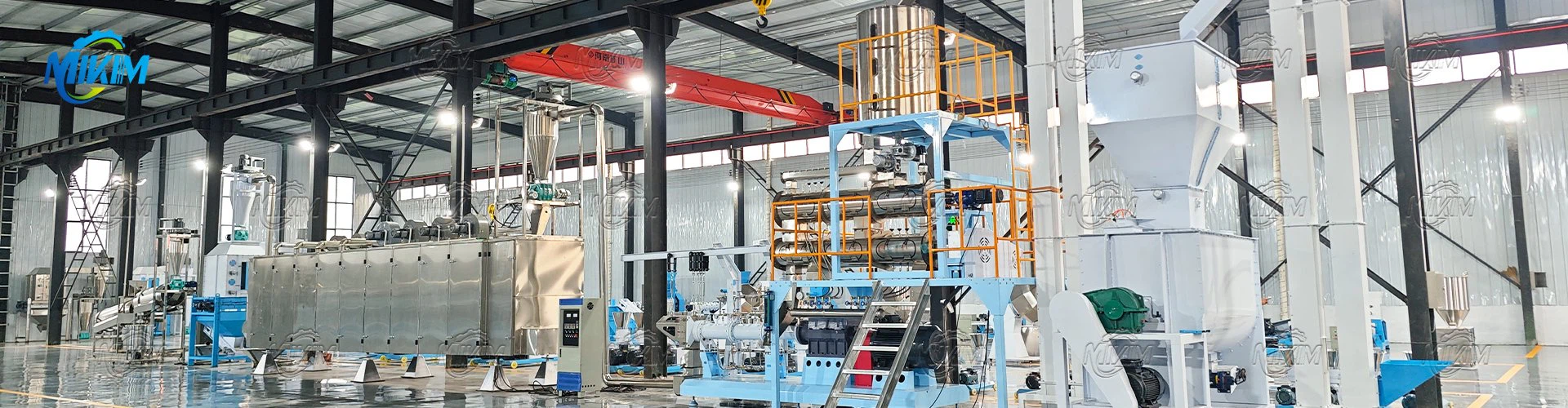
In today's era of rapid industrial development, the problem of waste disposal has become increasingly prominent. The accumulation of large amounts of waste not only takes up land, but also pollutes the environment and brings a lot of inconvenience to people's production and life. Therefore, finding an efficient and environmentally friendly waste disposal method has become a top priority. Against this background, the waste briquetting machine emerged as an innovative solution to the problem of waste disposal. The waste briquetting machine is a piece of equipment specially used to compress various waste materials into blocks. It uses advanced mechanical technology and hydraulic principles to strongly compress the originally loose waste materials into blocks with high density and small volume. This treatment method can not only significantly reduce the volume of waste materials and reduce transportation and storage costs, but also facilitate subsequent recycling.
|
Model |
Power |
Capacity |
Briquette size |
Hole quantity |
|
MK-550 |
55kw |
1t/h-1.5t/h |
32*32mm |
36pcs |
|
MK-750 |
75kw |
1.5t/h-2t/h |
32*32mm |
54pcs |
|
MK-900 |
90kw |
2t/h-2.5t/h |
32*32mm |
72pcs |
|
MK-1600 |
160kw |
2.5t/h-3t/h |
32*32mm |
120pcs |
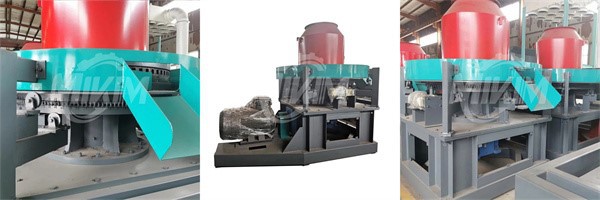
The advantages of the scrap briquetting machine are its efficiency and environmental friendliness. First of all, it can complete the compression processing of a large amount of waste materials in a short time, greatly improving work efficiency. Secondly, the compressed waste blocks are easy to transport and stack, reducing the investment of manpower and material resources. The most important thing is that the waste briquetting machine will not produce secondary pollution during the processing process and meets environmental protection requirements. In addition, scrap briquetting machines have a wide range of applications. Whether it is metal scrap, plastic waste or paper waste, it can be compressed by a scrap briquetting machine. This makes it have broad application prospects in various industrial fields. Of course, the development of scrap briquetting machines still requires continuous improvement and innovation. In the future, we can expect more technological means to be applied to waste briquetting machines to improve their compression efficiency, reduce energy consumption, extend service life, etc.