Introduction: Why Customers Care About Machine Testing Before Shipment?
When purchasing a 500–600kg/h floating fish feed pellet mill, most buyers are not just concerned about specifications on paper. What truly matters is real production performance, stability, and feed quality during actual operation.
Pre-shipment testing acts like a "dress rehearsal" before the machine reaches your farm or factory. It ensures that:
- The output capacity is real, not theoretical
- The machine runs smoothly without blockage
- The pellets meet floating feed standards
- The equipment is ready for immediate production
For serious aquaculture businesses, this step can mean the difference between instant production and costly delays.
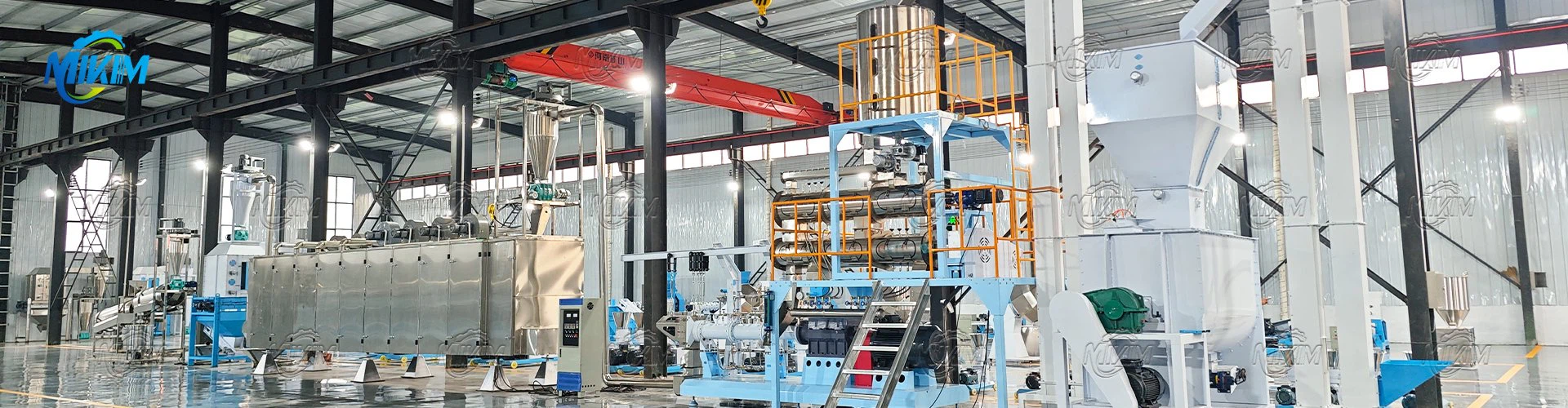
500-600kg/h floating fish feed pellet extruder machine testing before packing
What Is a 500–600kg/h floating fish food extruder machine?
A 500–600kg/h floating fish food extruder machine is a medium-scale fish feed extruder designed for continuous production of floating pellets.
It is widely used for:
Tilapia farming
- Catfish production
- Commercial aquafeed processing plants
- Small to medium feed businesses
The machine produces uniform, high-buoyancy pellets with adjustable sizes, typically ranging from 1mm to 6mm.
Step-by-Step Testing Process Before Packing
To ensure every machine meets performance standards, a complete testing process is carried out before shipment.
Step 1: Raw Material Preparation
Typical testing materials include:
- Corn flour
- Soybean meal
- Fish meal
- Premix nutrients
Moisture content is carefully controlled between 20%–25%, which directly affects extrusion quality.
Step 2: Machine Inspection and Pre-Start Check
Before starting the machine, engineers conduct a full inspection:
- Check motor operation
- Inspect screw and barrel condition
- Confirm die installation
- Ensure electrical system stability
This step prevents hidden issues during testing.
Step 3: Extrusion and Production Testing
Once the machine starts running:
- Materials are fed continuously
- Output is measured in real time
- Current and power consumption are recorded
- Machine stability is observed
A qualified floating fish feed processing machine should reach 500–600kg/h stable output without interruption.
Step 4: Fish Feed Pellet Evaluation
After extrusion, pellets are tested for quality:
- Floating time: ≥12 hours
- Pellet shape: uniform and smooth
- Expansion rate: stable and consistent
- Breakage rate: minimal
This ensures the feed meets commercial aquaculture standards.
Key Parameters Verified During Testing
During the testing process, several critical indicators are carefully checked:
- Production Capacity: 500–600kg/h
- Power Consumption: Stable and efficient
- Pellet Size Range: 1–6mm adjustable
- Floating Rate: ≥95%
- Machine Stability: Continuous operation without blockage
These parameters provide a clear and measurable guarantee of machine performance.
What to Look for in a Real Testing Video
Many suppliers provide testing videos, but not all videos show real performance. A reliable test video should demonstrate:
- Continuous and stable feeding process
- Smooth extrusion without interruption
- No abnormal vibration or noise
- Consistent pellet output
- Clear pellet floating performance in water
If a video only shows short clips or edited segments, it may not reflect actual machine capability.
Common Problems Found During Testing and Solutions
Even during testing, some issues may appear. Identifying and solving them early ensures better performance after delivery.
| Problem | Possible Cause | Solution |
|---|---|---|
| Pellets sink | Low starch content | Adjust feed formula |
| Low output | Improper feeding speed | Adjust feeder settings |
| Machine vibration | Loose components | Tighten base and structure |
| Blockage | High moisture or poor grinding | Optimize raw material preparation |
Solving these problems during testing ensures the machine arrives fully optimized.
Why Pre-Tested Machines Are a Better Investment
Choosing a floating fish feed pellet maker machine that has undergone full testing provides several advantages:
- Verified production capacity
- Reduced installation risks
- Faster start-up after delivery
- Lower maintenance costs
- Higher feed quality consistency
In contrast, untested machines often require additional debugging, which increases time and labor costs.
Who Should Choose a 500–600kg/h floating fish feed extruder machine?
This capacity range is ideal for:
- Medium-scale fish farms
- Growing aquaculture businesses
- Feed processing workshops
- Entrepreneurs entering the fish feed industry
It offers a balance between production efficiency and investment cost, making it one of the most popular choices globally.
FAQ
Is 500–600kg/h a real output or theoretical value?
With proper raw materials and operation, this is a real and achievable production capacity verified during testing.
Can the machine produce sinking feed as well?
Yes. By adjusting the formula and process parameters, the machine can produce both floating and sinking feed.
What raw materials can be used?
Common materials include corn, soybean meal, fish meal, wheat flour, rice bran, and additives.
How long does the testing process take?
A full testing process usually takes 1–2 days, including setup, operation, and pellet evaluation.
Conclusion: A Tested Machine Means a Faster Start to Profit
A 500–600kg/h floating fish feed machine is not just equipment-it is a production solution.
Pre-shipment testing ensures that every detail, from output to pellet quality, is fully verified before delivery.
For buyers, this means:
- Less risk
- Faster installation
- Immediate production capability
- In a competitive aquaculture market, starting strong is everything.
And a fully tested machine is your first step toward consistent, high-quality feed production.
📩 Call to Action
If you want to see real testing videos, check pellet quality, or test with your own raw materials:
👉 Contact us now for detailed machine specifications, pricing, and customized solutions.
Company Profile