
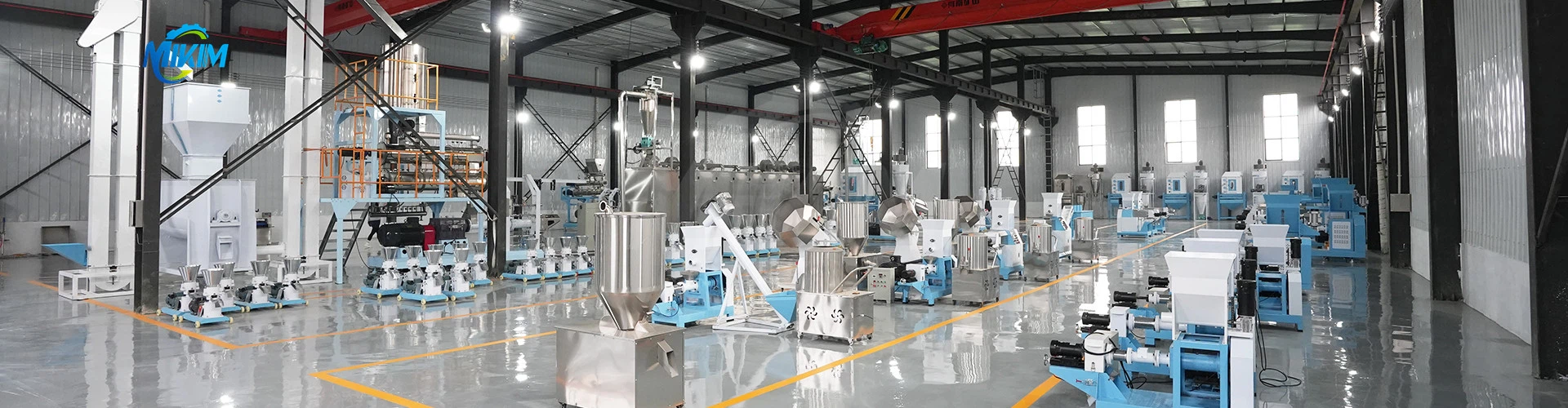
Transforming Sawdust with the Power of Pellets: Introducing the Sawdust Pellet Machine
Introduction
Sawdust, a common byproduct in various industries, has often been considered waste. However, the innovative sawdust pellet machine has changed the game by transforming this waste material into valuable biomass pellets. This revolutionary machine harnesses the power of pellets to unlock the potential of sawdust, offering a sustainable and efficient solution for energy production. In this article, we will explore the working principle, benefits, and potential applications of the sawdust pellet machine, and how it is transforming the way we utilize sawdust.
The Working Principle
The sawdust pellet machine operates on a sophisticated mechanism that converts sawdust into compact and uniform pellets. It consists of a pellet mill, a feeder system, and a conditioning chamber. The sawdust is fed into the machine through the feeder system, which transports it to the pellet mill. Inside the pellet mill, the sawdust is subjected to high pressure and heat, which softens the lignin present in the wood fibers. This natural bonding agent acts as a binder, allowing the sawdust to be compressed into dense pellets. The pellets are then cooled and collected for storage or immediate use.
Benefits of the Sawdust Pellet Machine
Efficient Energy Production: The sawdust pellet machine revolutionizes energy production by converting sawdust into highly efficient biomass pellets. These pellets have a high energy density, making them a valuable fuel source. When burned, biomass pellets release a consistent and controllable amount of heat, ensuring efficient energy generation. The machine's ability to produce uniform pellets with a high energy content contributes to increased energy efficiency and reduced waste.
Waste Utilization: Sawdust, traditionally treated as waste, is now utilized effectively with the sawdust pellet machine. By transforming sawdust into biomass pellets, the machine helps reduce waste and promotes a circular economy. Industries generating large quantities of sawdust, such as woodworking, furniture manufacturing, and construction, can now repurpose this waste material as a valuable resource for energy production.
Carbon Neutrality: Biomass pellets produced by the sawdust pellet machine offer a sustainable and carbon-neutral energy solution. When burned, the CO2 emitted is balanced by the CO2 absorbed during the growth of the plants from which the sawdust originates. This results in a closed carbon cycle, making biomass pellets an environmentally friendly alternative to fossil fuels.
Versatile Applications: The sawdust pellets produced by the machine have a wide range of applications. They can be used for residential heating, industrial processes, power generation, and more. The uniformity and density of the pellets ensure consistent combustion and efficient energy release, making them suitable for diverse energy needs.
Potential Applications
Residential Heating: Biomass pellets, including those made from sawdust, are widely used for residential heating. Pellet stoves and boilers provide a clean and efficient alternative to traditional heating systems. The sawdust pellets produced by the machine offer homeowners a renewable energy source that is environmentally friendly and cost-effective.
Industrial Processes: The sawdust pellet machine's ability to produce high-quality biomass pellets makes them suitable for various industrial processes. Industries requiring heat for manufacturing, drying, or other applications can utilize biomass pellets as a sustainable fuel source. The dense and uniform nature of the pellets ensures efficient and reliable heat generation.
Power Generation: Biomass pellets play a significant role in power generation. They can be co-fired with coal in existing power plants or used as the primary fuel source in dedicated biomass power plants. The sawdust pellets produced by the machine meet the stringent quality standards required for power generation, offering a renewable and carbon-neutral energy solution.
Commercial and Institutional Heating: Commercial buildings, institutions, and facilities such as schools, hospitals, and government buildings can benefit from the use of biomass pellets for heating. The sawdust pellet machine enables the production of high-quality pellets, which can be used in boilers or furnaces to provide efficient and sustainable heat.
Conclusion
The sawdust pellet machine has revolutionized the way sawdust is utilized by transforming it into valuable biomass pellets. By harnessing the power of pellets, this innovative machine offers numerous benefits, including efficient energy production, waste utilization, carbon neutrality, and versatile applications. The sawdust pellets produced by the machine find applications in residential heating, industrial processes, power generation, and commercial/institutional heating. As the world continues to seek sustainable and renewable energy solutions, the sawdust pellet machine plays a crucial role in maximizing the potential of sawdust, promoting a circular economy, and reducing reliance on fossil fuels.