
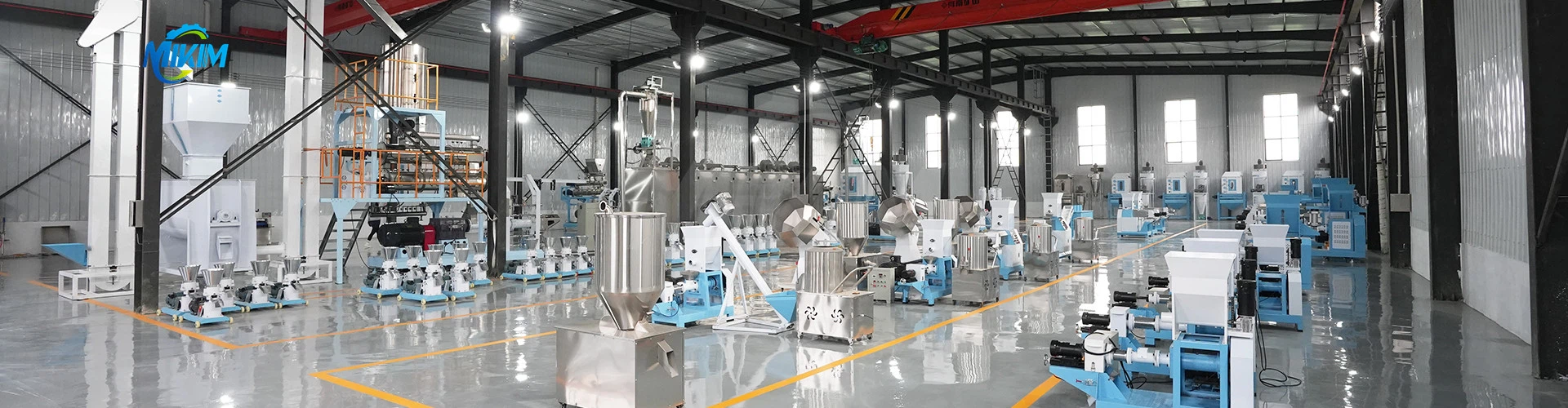
Sustainable farming practices are becoming increasingly important as we work towards a more environmentally conscious and ecologically responsible future. One of the key tools in achieving sustainable farming practices is the use of pellet machines. These machines compress and extrude a variety of organic materials into small pellets that can be used as animal feed, fertilizers, fuel, and more. Pellet machines offer several benefits to farmers and agricultural professionals, including cost-effectiveness, environmental sustainability, and improved animal health and productivity.
One of the primary benefits of using pellet machines for sustainable farming practices is their ability to produce clean, organic fertilizers. Traditional fertilizers often contain harmful chemicals and synthetic ingredients that can be damaging to the environment and soil health. In contrast, pellets produced from a pellet machine are made from natural, organic materials that are free of harmful additives. These pellets can be customized to meet the specific nutritional needs of different crops and can help to improve soil health and fertility.
Another benefit of using pellet machines for sustainable farming practices is their cost-effectiveness. Traditional fertilizers can be expensive, especially for large operations. By producing their own pellets with a pellet machine, farmers can save money and reduce their reliance on pre-made products. Additionally, many organic materials that can be used to make pellets, such as crop residue and animal waste, are readily available and can be sourced locally.
Pellet machines also offer a sustainable solution for animal feed production. Many traditional animal feeds contain harmful additives and synthetic ingredients that can be damaging to animal health and the environment. Pellets produced from a pellet machine, however, are made from natural, organic materials that are free of harmful additives. These pellets can be customized to meet the specific nutritional needs of different animals, such as dairy cows, chickens, and pigs, improving animal health and productivity while reducing reliance on traditional animal feeds.
In addition to their many environmental benefits, pellet machines are also relatively easy to operate and maintain. Many pellet machines are compact and portable, making them ideal for small and medium-sized operations. They require minimal training to operate and can be easily maintained with basic cleaning and lubrication. Additionally, many pellet machines are designed for easy maintenance and repair, reducing downtime and maximizing productivity.
Pellet machines also offer a renewable energy source for sustainable farming practices. Pellets can be used to produce clean energy, reducing the need for fossil fuels and contributing to a more sustainable future. Pellets can be used to power boilers, stoves, and other farm equipment, reducing energy costs and greenhouse gas emissions.
Finally, the use of pellet machines can help to reduce waste in farming operations. Many organic materials that are used to make pellets, such as sawdust, crop residue, and animal waste, would otherwise go to waste. By converting these materials into pellets, farmers can reduce their waste and environmental impact while producing valuable products that can be used for animal feed, fertilizers, fuel, and more.
In conclusion, the use of pellet machines is an important tool for achieving sustainable farming practices. They offer numerous benefits, including cost-effectiveness, environmental sustainability, and improved animal health and productivity. As technology continues to advance, we can expect pellet machines to play an increasingly important role in sustainable farming practices and the future of agriculture.